
Vandaag of morgen in huis

Kwaliteit gegarandeerd

Welkomstaanbiedingen ontgrendelen: GRATIS bezorging | Tot 80% korting | Gratis 30 dagen JoyPlus-proefperiode
Download de app
A men’s sweatshirt may seem simple to choose, but small differences in material, fit and finish determine whether you’ll wear it regularly. A soft inner layer can feel less comfortable after a few washes, while a roomy hoodie may be impractical under a coat. A well-known logo also doesn’t automatically indicate warmth, shape retention or ease of care.
With this practical guide, you’ll first focus on verifiable product information. You’ll then see which models suit different situations, from everyday wear to layering on colder days.
The term fleece mainly describes the texture and construction of the fabric. Warmth also depends on the thickness, lining and composition. A men’s fleece sweatshirt can be lightweight and suitable as a mid-layer, while a thickly lined hoodie takes up more room.
Therefore, look out for:
A product description may refer to warmth or insulation. Treat this as information provided by the brand or seller, not as a guaranteed personal experience.
A logo sweatshirt may suit your style perfectly, but also check where the logo is positioned and how it has been applied. For example, an embroidered motif requires careful washing and ironing. With printed motifs, it’s important to wash the garment inside out and not iron directly over the motif.
An adidas sweatshirt with a Trefoil logo has a sporty appearance, while a U.S. Polo Assn. sweatshirt may place more emphasis on an embroidered emblem and a classic look. The brand name is therefore primarily a style choice; the material and fit determine everyday comfort.
Sizes can vary by brand, model and fit. A regular fit will sit differently from a relaxed or loose fit. Therefore, check the chest width or chest measurement in centimetres and compare it with a sweatshirt you already find comfortable.
Also consider how you want to wear it:
A cotton sweatshirt generally feels soft and works well for everyday wear. Polyester can help the garment retain its shape and dry more quickly. According to the product information, the adidas Trefoil models in this selection consist of 70% cotton and 30% recycled polyester. This is a verifiable composition, but on its own it doesn’t indicate how warm or soft the garment will feel to every wearer.
U.S. Polo Assn. offers a range of compositions. The crew-neck model 64712-188 lists 95% cotton and 5% viscose. The hoodies from the same manufacturer list 60% cotton and 40% polyester. According to the product description, a thicker fleece lining may provide additional warmth, but always check the care label for precise instructions.
A crew-neck sweatshirt has a round neckline without a hood. This often makes it easy to wear over a T-shirt or under a coat. Ribbed trims at the neck, cuffs and hem help keep the fit in place.
A men’s hoodie provides extra coverage around the neck and head. An adjustable drawstring and kangaroo pocket are practical details for everyday wear. A loose fit is comfortable for layering, but may be less practical under a close-fitting coat.
Check the washing instructions before buying. Many models in this selection recommend washing at a low temperature, washing inside out and washing dark colours separately. Some models can be tumble-dried at a low temperature, while others must not be tumble-dried.
Use a mild detergent and don’t iron directly over an embroidered or printed logo. This helps minimise unnecessary wear. The statutory guarantee of at least two years applies to the relevant products according to the product information provided; additional rights may depend on the applicable national regulations.
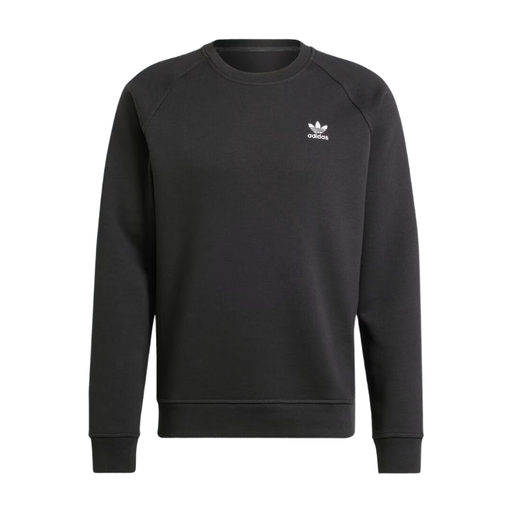
Why it suits this profile: A black crew neck is easy to pair with jeans, jogging bottoms and coats. According to the product information, the regular fit is designed for everyday wear.
The composition of 70% cotton and 30% recycled polyester is clearly stated. The washing instructions also specify a low temperature and washing inside out.
Round neckline, ribbed trims, embroidered Trefoil logo and sizes from S to XXL according to the product listing.
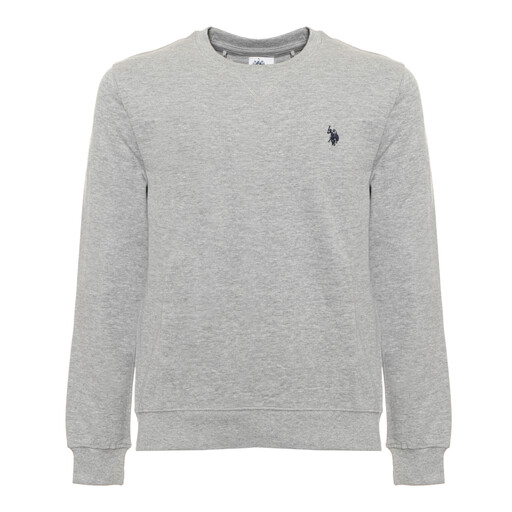
Why it suits this profile: This grey crew-neck model works well with a classic, casual wardrobe and is available in a generous size according to the product listing.
The product information states the exact composition of 95% cotton and 5% viscose. This means you don’t have to rely on general terms such as “premium” or “soft”.
95% cotton, round neckline, long sleeves and an embroidered brand logo. Washing advice is provided on the product label.
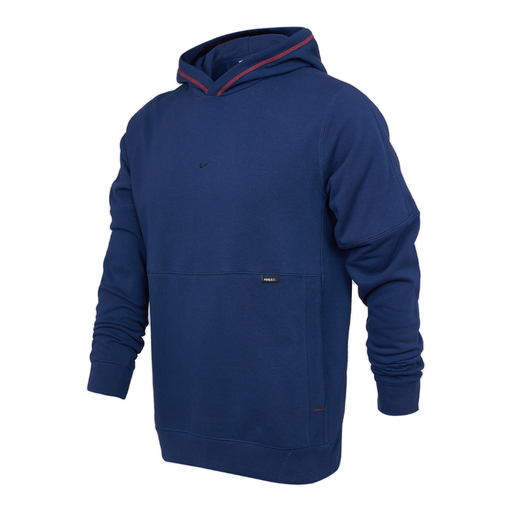
Why it suits this profile: The loose fit, adjustable hood and fleece construction are well suited to leisurewear, layering and light training.
The product description highlights specific details such as an adjustable hood, ribbed trims and washing advice at 30 °C. This makes the choice more verifiable than relying on a style claim alone.
Fleece, loose fit, adjustable hood, ribbed trims and a subtle Nike FC logo.
We’ve put together a complete, up-to-date list of products that fully meet these strict selection criteria and the applicable European safety regulations.
A crew neck is practical when you’re looking for a simple layer for work, home or while out and about. The round neckline is easy to pair with a shirt or T-shirt. A men’s hoodie is more suitable when you want extra coverage and storage space. A zip-up model, such as the Urban Classics hoodie, is easy to put on and take off. Check the sizing carefully for an Urban Classics model: some styles go up to 4XL, while other product listings show a more limited range.
On colder days, you can wear a thicker fleece hoodie as an outer layer. For cycling, travelling or wearing a coat with narrow sleeves, a lighter sporty sweatshirt or crew neck is often more practical.
That depends on your preference and the model. A regular fit should generally be neither tight nor loose. Measure your chest or compare an existing jumper with the size guide. If you want room for a T-shirt or thin jumper, don’t automatically choose a larger size: check the stated measurements in centimetres first.
A cotton sweatshirt refers to the proportion of cotton in the fabric. Fleece usually refers to the soft, brushed texture or inner layer. A sweatshirt can therefore contain cotton as well as have a fleece finish. Check the complete material composition and the thickness, if stated.
Wash the garment according to the label, preferably at a low temperature and inside out. Wash dark colours separately, use a mild detergent and don’t iron directly over the logo. Also check whether tumble-drying is permitted. This helps minimise shrinkage, colour loss and damage to motifs.
