
Vandaag of morgen in huis

Kwaliteit gegarandeerd

Welkomstaanbiedingen ontgrendelen: GRATIS bezorging | Tot 80% korting | Gratis 30 dagen JoyPlus-proefperiode
Download de app
A men's sweatshirt may seem like a straightforward purchase, but small differences in material, sizing and finish determine how comfortable it is to wear every day. A lightweight style can disappoint if you are looking for a warm jumper for cold days. A loose fit can be comfortable, but may look less suitable under a jacket. And an attractive brand logo says little by itself about the fabric or care requirements.
With these practical checks, you can avoid the most common purchasing mistakes and compare styles more effectively for casual menswear, sporty outfits and layering.
Product photos and terms such as “fleece” do not always tell the whole story. So check the material composition and whether the inside is brushed. A men's fleece sweatshirt with a soft, brushed inner side will generally feel warmer than a smooth, lightweight sweatshirt. The fabric weight may also be relevant. A 330 gsm style, such as an Urban Classics model in the range, has a different structure from a lightweight sweatshirt.
A regular fit usually falls straighter and is easy to wear over a T-shirt. An oversized men's sweatshirt offers more room, but can create too much bulk under a jacket. Do not just look at S, M or L; also check chest size, sleeve length and whether the description says “fits large” or “true to size”.
For example, the Under Armour Rival Fleece Crew is described as potentially running large. If you are between two sizes, it is worth checking the size chart and recommended size.
Cotton can lose its shape if washed incorrectly or dried at too high a temperature. Before buying, check whether you can realistically follow the care instructions. Some styles can be tumble-dried at a low temperature, while others may only be washed cold and air-dried. For dark colours, turn the garment inside out and wash it separately when stated on the label.
A men's cotton sweatshirt often feels soft and familiar. Polyester can help the garment retain its shape and dry faster, but the ratio varies from one style to another. So check the exact percentages:
“Recycled polyester” says something about the origin of some of the fibres, but does not automatically indicate how long the garment will last or how comfortable it will be. Always assess the full composition and finish.
A crewneck sweatshirt has a round neckline and is usually easy to wear under a jacket or overshirt. A men's hoodie provides extra coverage around the neck and often has a kangaroo pocket. A hoodie is practical for walks, travel and sporty activities, but can feel less comfortable under a close-fitting jacket.
Also look at the details:
A men's black sweatshirt works well with denim, chinos and joggers. A men's navy sweatshirt creates a softer contrast and pairs well with grey, white and beige. If you mainly wear layers, it is best to choose a crewneck that is not too thick. For wearing on its own on cold days, fleece or a heavier fabric makes more sense.
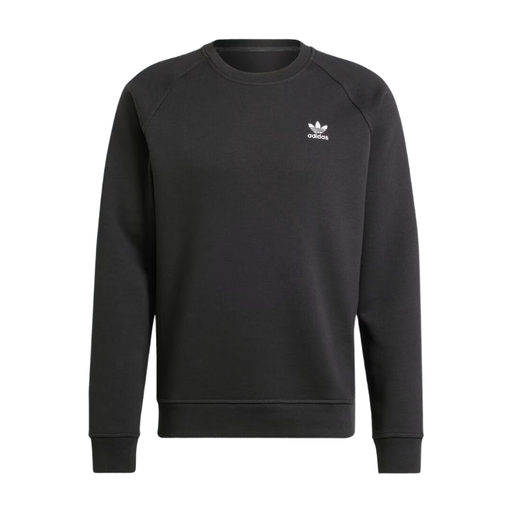
Why it suits this profile: A black crewneck with a regular fit is easy to style and suitable for everyday wear, from working from home to an informal appointment.
The product information gives a specific composition of 70% cotton and 30% recycled polyester, as well as instructions to wash on a delicate cycle and dry at a low temperature.
Regular fit, fleece construction, ribbed neck, cuffs and hem, plus an embroidered Trefoil logo.
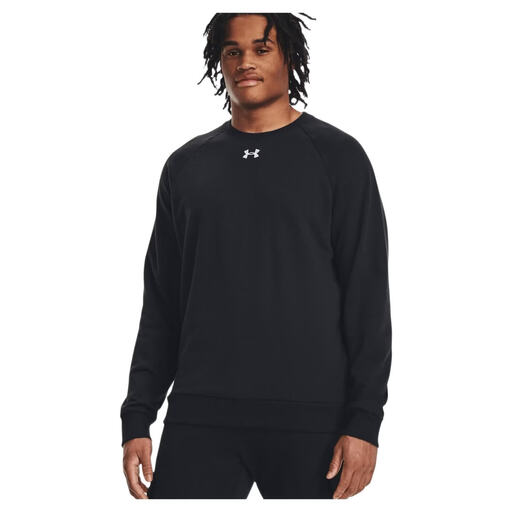
Why it suits this profile: This style is designed for anyone looking for a fleece crewneck for everyday wear, layering and light sporting activities.
The stated size information includes chest measurements and says that the style runs large. This helps you avoid relying solely on the letter size.
78% cotton and 22% polyester, a brushed inner side according to the product description, and ribbed finishing at the neck, cuffs and hem.
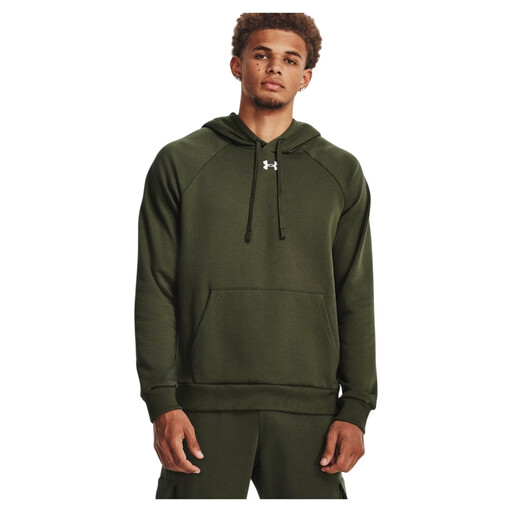
Why it suits this profile: This hoodie is practical for outdoor activities, training and cold days when you want a hood and extra storage space.
The product information lists an adjustable drawstring, kangaroo pocket and ribbed trims. The fit details and care instructions can be checked in advance.
80% cotton and 20% polyester, brushed fleece on the inside according to the product description, and an adjustable hood.
Wash a sweatshirt according to the label and preferably use a mild detergent. Turn styles with a logo, print or embroidery inside out. Avoid bleach when it is not permitted. With dark colours such as black or navy, washing separately helps limit colour transfer onto other clothes.
A hoodie or fleece sweatshirt will also stay looking its best for longer if you avoid drying it unnecessarily at high temperatures. Always check the specific product label, as care instructions vary depending on the composition and brand.
We have compiled a complete, up-to-date list of products that fully meet these strict selection criteria and the applicable European safety regulations.
A sweatshirt usually has a round neckline. A hoodie has a hood, often with a drawstring, and usually a kangaroo pocket. Choose a crewneck if you want to layer easily; choose a hoodie when neck coverage and pocket space are important.
This varies by brand and style. Check the chest measurement, sleeve length and fit description. A regular fit generally follows a straighter silhouette, while an oversized style offers extra room. If a style runs large, a smaller size may fit, but always compare this with the size chart.
Yes, fleece can be practical for everyday use when you are looking for extra softness and warmth. Do pay attention to the fabric weight, the cotton-polyester ratio and the care requirements. For wearing indoors or as a layer under a jacket, a lighter crewneck sweatshirt may be more practical than a thick hoodie.
