
Vandaag of morgen in huis

Kwaliteit gegarandeerd

Welkomstaanbiedingen ontgrendelen: GRATIS bezorging | Tot 80% korting | Gratis 30 dagen JoyPlus-proefperiode
Download de app
Choosing a new pair of jogging bottoms or running shoes online can seem straightforward. But small differences in material, fit and sole can have a big impact on comfort. For example, bottoms that feel comfortable during a warm-up may be too warm for an intense workout. And a running shoe with plenty of cushioning won’t necessarily suit every foot or surface.
This guide will help you compare men’s sportswear and running shoes without relying solely on marketing claims.
A well-known brand doesn’t tell you whether the fit will suit your body or running style. For example, Under Armour men’s jogging bottoms may have a different waist, leg length and fabric from a similar adidas model. So always check the size guide and fabric composition.
A cotton men’s T-shirt feels soft for everyday wear, but it wicks away moisture differently from polyester. When choosing sportswear for training, factors such as fabric weight, ventilation and drying time matter more than simply describing something as “comfortable”.
Cushioned running shoes can feel comfortable on tarmac, but a smooth outsole won’t necessarily suit muddy paths. When choosing men’s trail running shoes, check the tread, durability and outsole construction in particular. Don’t assume a road running shoe is suitable for technical terrain.
For bottoms, check the waist measurement and inside leg. For example, the Under Armour Tricot Jogger has a regular fit, a 76 cm inside leg and an external drawcord. Sizing varies considerably by model: according to the product information, size M in the green joggers fits a waist measurement of 79 to 86 cm, while XL fits 94 to 104 cm.
For shoes, foot length in millimetres is often more accurate than relying on your usual EU size alone. Measure both feet at the end of the day and choose your size based on the larger foot. If you have wider feet, look for terms such as wide toe box, wide fit or a standard model with extra room at the front.
For comfortable sports bottoms, the fibres and the inside of the fabric are important:
Claims about odour control, moisture wicking or warmth come from the brand’s product information. Treat them as manufacturer-stated product features, not a guarantee for every user.
When choosing men’s running shoes, look at three features:
According to PELLIOT’s product description, its road/trail model uses an EVA midsole and a ROCKYTEC outsole. LI-NING’s product information says the YUEYING 6 models have a wider forefoot and a stability-focused construction. Always check that these features suit your running surface and preferences; they’re no substitute for a personal gait analysis.
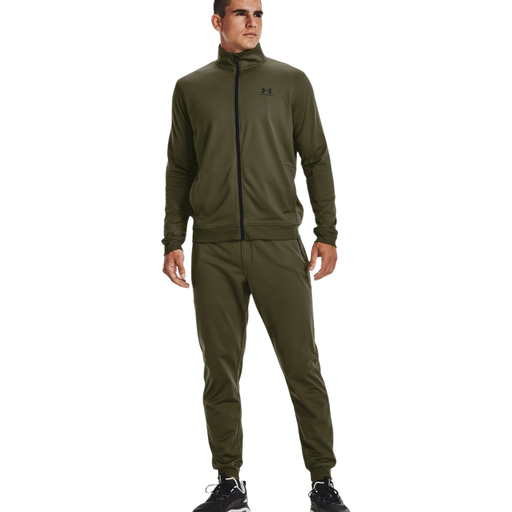
Why it suits this profile: A versatile choice for warm-ups, light training and everyday wear. The tapered leg suits anyone looking for a sporty, close-fitting look.
The product information includes a size guide, drawcord and multiple pockets. This means you don’t have to rely on the photo or brand alone.
100% polyester tricot, ribbed cuffs, an adjustable waist and an internal phone pocket, according to the product description.
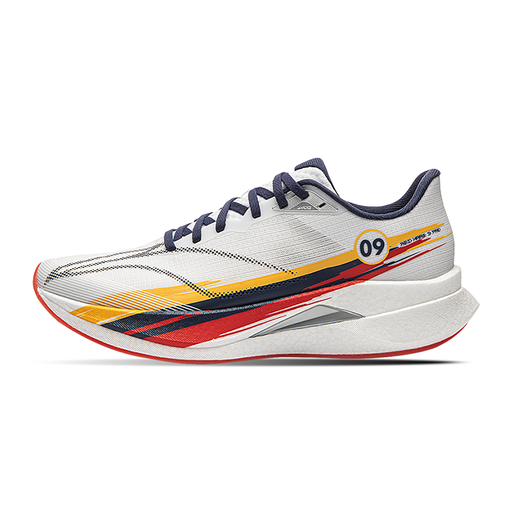
Why it suits this profile: Designed for runners looking for a technical shoe for high-mileage training, with a roomier platform construction.
The stated specifications include a wider last, a woven upper and a rubber GCR outsole. This makes it easier to assess the fit and suitability for different surfaces.
The product description lists a dual BOOM midsole, a rocker shape and a stability-focused sole.
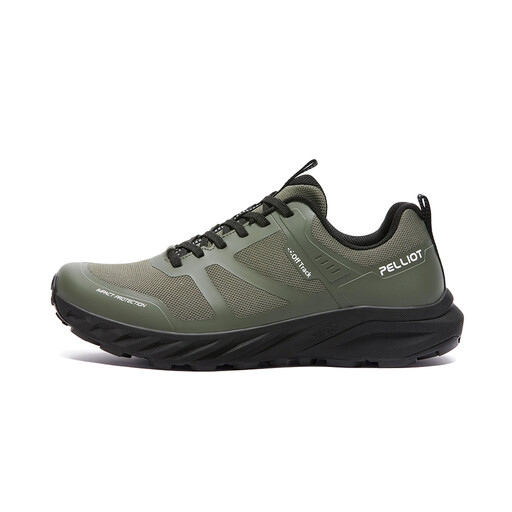
Why it suits this profile: A good choice if you switch between tarmac and paved paths and want a lightweight shoe with a versatile sole construction.
The description lists the foot lengths for each EU size and distinguishes between standard and slim-fit versions.
Lightweight mesh and woven materials, an EVA midsole and ROCKYTEC rubber, according to the product information.
For Dutch weather, wearing a combination of layers is often more practical than choosing one heavy garment. A men’s T-shirt can work as a base layer, with a men’s fleece top or quarter-zip top over it when temperatures drop. Jogging bottoms are suitable for warm-ups and recovery periods; for intense running sessions, lighter, moisture-wicking bottoms are often a better choice.
Pay attention to washing instructions. Polyester sportswear is often washed at a low temperature and tumble-dried on a low setting. Cotton and fleece can lose their shape or softness at high temperatures. So follow the instructions on the label, even if the product seems suitable for everyday wear.
We’ve put together a full, up-to-date list of products that meet these strict selection criteria and the applicable European safety regulations.
Their lifespan depends on your body weight, how often you run, the surface, your running style and the materials. Don’t just consider how many months you’ve had them; look for visibly compressed cushioning, worn tread, cracks or reduced stability. If you use them regularly, it’s a good idea to check for wear from time to time.
They can be, as long as the fit and support suit your feet and running pace. A lower weight doesn’t automatically mean greater comfort. Check the midsole, heel construction and toe room before choosing a lightweight shoe for longer runs.
For the gym, freedom of movement, an adjustable waist and non-chafing seams are useful. Comfortable sports bottoms or tapered jogging bottoms work well for strength training and warm-ups. For intense cardio, opt for a lightweight, breathable men’s T-shirt and bottoms that don’t hold on to moisture for long.
