
Vandaag of morgen in huis

Kwaliteit gegarandeerd

Welkomstaanbiedingen ontgrendelen: GRATIS bezorging | Tot 80% korting | Gratis 30 dagen JoyPlus-proefperiode
Download de app
Choosing a new set of men’s sportswear may seem straightforward, but marketing terms do not always tell the whole story. A top with “quick-drying technology”, for example, may be best suited to light exercise, while a cotton T-shirt may feel more comfortable for everyday wear. Similarly, outdoor trousers with a water-repellent finish are not automatically suitable for prolonged rain.
This guide compares sportswear and leisurewear based on verifiable features. That way, you can avoid a disappointing purchase and make a more informed choice between men’s sports tops, men’s sports trousers, men’s training clothing and men’s outdoor clothing.
Words such as “performance”, “dry” and “breathable” mean little if the material composition is not provided. Always check the percentage of polyester, cotton, elastane or nylon. Polyester is often lightweight and dries relatively quickly; cotton feels soft but retains more moisture. Elastane can provide extra freedom of movement.
Also look out for contradictory information. If the description says 100% polyester but a second product specification mentions a cotton blend, use the official product details and care label as your reference point.
Regular fit, athletic fit and compression fit feel very different to wear. A close-fitting compression short may be suitable as a base layer, but less comfortable for a relaxed walk. A relaxed-fit T-shirt offers more room, while a close-fitting top is less likely to hang loosely around the body during training.
Do not look only at the letter size. Compare your chest, waist and hip measurements with the size chart for the specific brand. Particularly with Nike men’s sportswear, Under Armour sportswear and The North Face men’s clothing, sizing can vary between models.
According to the product description, a DWR finish helps with light moisture, but it is not a substitute for a waterproof jacket. For men’s outdoor clothing, seams, zips, ventilation openings and a snow skirt are at least as important as the outer fabric. Also check whether the description specifies a hydrostatic head rating. If it does not, you cannot determine a specific level of waterproofing.
For football, gym workouts and intense training, lightweight synthetic fabrics are often practical. According to the product description, the Nike Dri-FIT Academy Pants CW6122-410 are made from 100% polyester and feature Nike Dri-FIT technology. According to Nike’s own product information, this technology is designed to draw moisture away from the skin. This is a brand claim; your actual experience will also depend on the intensity of your activity, the temperature and the fit.
For everyday wear, cotton casual T-shirts for men may feel more comfortable. According to the specification, the Nike Sportswear Club T-Shirt White is made from 100% cotton. The The North Face T-shirts in the collection also use 100% cotton and are intended for casual wear or layering.
Look out for details that can make a difference while you move:
When it comes to men’s sports shorts, the difference between a loose short, a 2-in-1 model and a compression short is significant. According to the product details, the Under Armour Launch 7” 2-in-1 Shorts combine a polyester outer layer with an inner short made from 90% polyester and 10% elastane. The Under Armour HG Armour Shorts, on the other hand, have a compression fit and are intended to be worn as a close-fitting base layer.
Ideally, measure a T-shirt that fits you well and compare its chest width and length with the size chart. If you are between two sizes, check the brand’s recommendation. With a close-fitting model, a larger size may offer greater comfort; with a relaxed fit, your usual size may already feel loose.
Care instructions are not a minor detail. Some technical fabrics should not be washed with fabric conditioner, as this can affect the performance of the fibres or treatments. For a The North Face gilet with synthetic insulation, the product information specifies, among other things, washing at a maximum of 40 °C, no bleaching and tumble drying at a low temperature. Always follow the label inside the garment.
For the products mentioned, where indicated, the statutory minimum guarantee of two years applies under European consumer law. This is separate from any additional rights available under Dutch law.
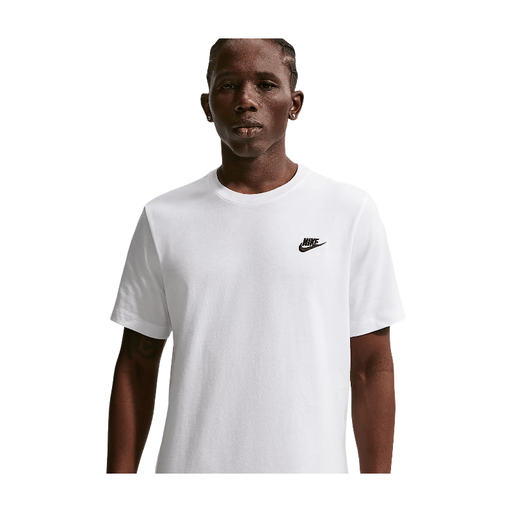
Why it suits this profile: A simple cotton T-shirt for everyday wear, casual outfits and light sporting activities.
The material composition is clearly stated: 100% cotton. This means you know what you are buying and do not have to interpret a vague technical claim.
Soft cotton fabric, a classic fit and an embroidered logo on the chest.
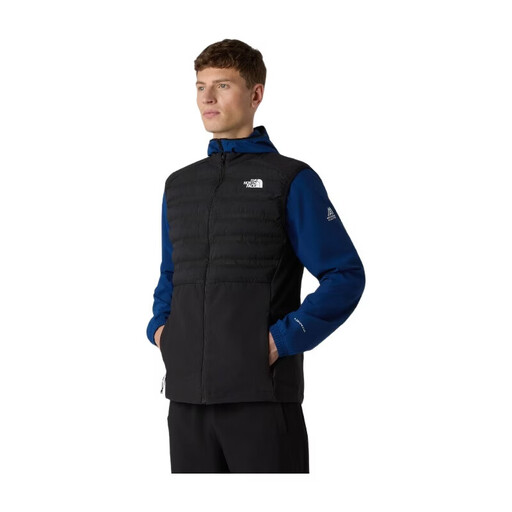
Why it suits this profile: Suitable for walkers and active users who want to combine extra warmth with freedom of movement.
The description distinguishes between insulation, stretch, breathable side panels and protection against light moisture.
91% polyester and 9% elastane, synthetic insulation and a Non-PFC DWR finish according to the product description.
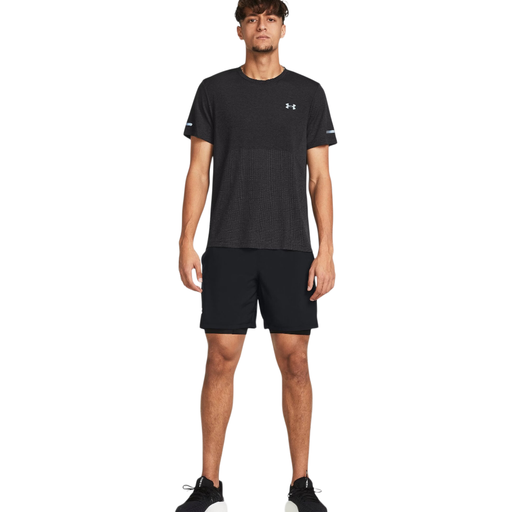
Why it suits this profile: A practical choice for running, gym workouts and training where pockets, ventilation and freedom of movement are important.
The fit and materials are specified clearly. The shorts also have an inner layer, so you do not have to rely solely on the marketing term “support”.
2-in-1 design, mesh panels, an internal phone pocket and reflective details.

Why it suits this profile: A regular-fit sports top for football, training and wearing off the pitch.
The description lists the intended use, fit and material separately. This makes it clearer whether the top is suitable for your activity.
Regular fit, short sleeves, crew neck and a material composition of 57% cotton and 43% polyester in the product details.
We have put together a complete, up-to-date list of products that fully meet these strict selection criteria and the applicable European safety regulations.
Wash technical clothing according to the care label and do not use fabric conditioner if it is not recommended. Fasten zips and hook-and-loop closures before washing. Ideally, allow cotton T-shirts to air-dry if shrinkage is a concern. Do not use harsh products on water-repellent clothing; a DWR treatment may need to be reapplied over time. Always check the manufacturer’s instructions first.
Choose a lightweight fabric, a fit that does not restrict movement and features such as mesh panels or a drawcord. Polyester is often used in men’s training clothing because of its low weight and quick-drying properties. Always check the exact material composition and care instructions.
Measure your chest, waist and hips and compare these measurements with the size chart for the model. Also consider the fit: compression fits closely, regular follows a traditional cut and relaxed offers more room. If you are between sizes, the amount of freedom of movement you want should determine your choice.
Men’s outdoor clothing is generally designed with extra attention to wind, moisture, insulation and layering. Ski or walking trousers, for example, may feature ventilation zips, a snow skirt and an adjustable waist. Ordinary sportswear tends to focus more on freedom of movement, weight and moisture management during training.
