
Vandaag of morgen in huis

Kwaliteit gegarandeerd

Welkomstaanbiedingen ontgrendelen: GRATIS bezorging | Tot 80% korting | Gratis 30 dagen JoyPlus-proefperiode
Download de app
Good sports underwear is the invisible foundation of every workout. However, the wrong underwear can lead to irritation, chafing, and discomfort—exactly what you want to avoid while exercising. Many men invest in good shoes and apparel but forget the layer that sits directly against the skin. Let's take a look at the pitfalls you can avoid.
A common mistake is falling for the term "breathable" without checking what it really means. Standard cotton is often marketed as breathable, but it absorbs sweat and stays wet. This leads to a clammy feeling and can cause chafing. Another pitfall is a fit that disappears after a few washes. A loose waistband or stretched-out fabric no longer offers support and is downright uncomfortable.
To prevent a poor choice, it's wise to pay attention to a few tangible specifications. These aren't marketing terms, but objective features that make the difference between comfort and irritation.
The fabric is perhaps the most important factor. The choice depends on your activity.
A good fit goes beyond choosing the right size. Pay attention to the following details:
Similar principles apply to sports socks, but with additional points of focus. Whether you're looking for running socks or tennis socks, look for:
Not everyone needs the same thing. Here are a few options tailored to different user profiles.
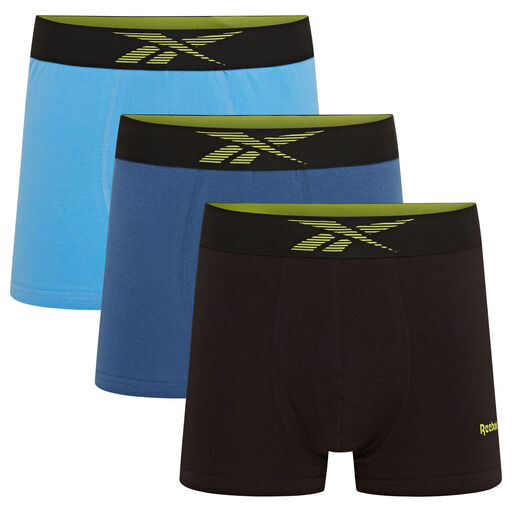
Why This Fits Their Persona: Ideal for those seeking a reliable foundation for both the gym and daily use. These Reebok boxers offer comfort and a great fit without an overly technical focus, perfect for an active lifestyle.
The high-quality elastic waistband and shape-retaining fabric prevent the problem of a loose fit after a few washes. It's a durable choice for everyday comfort.
Convenient men's 3-pack boxer briefs. The fabric is soft and designed to move with the body, ensuring all-day comfort.
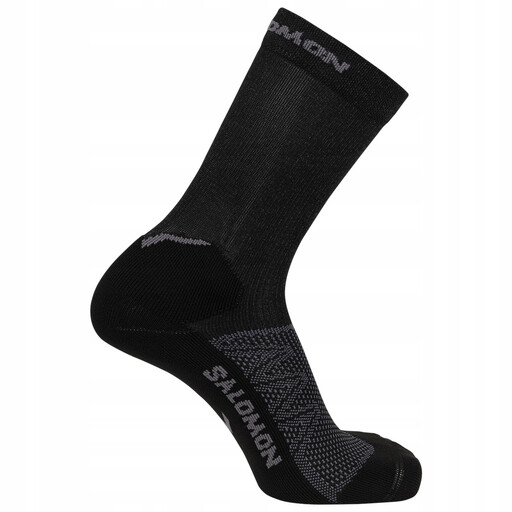
Why This Fits Their Persona: For serious runners who need technical gear. These Salomon socks are specifically designed for the demands of trail running, with a focus on protection and moisture management.
These running socks are made from a technical blend of polyester, nylon, and elastane. This avoids the pitfall of "breathable" cotton that traps sweat and causes blisters.
Moisture-wicking and breathable material. The cushioned sole provides targeted support, and the taller design protects the ankles on rough terrain.

Why This Fits Their Persona: Suitable for athletes who practice various disciplines, such as tennis or fitness. These tennis socks offer the versatility needed for sports with significant lateral movements and impact.
The reinforced heel and toe prevent premature wear, a common problem with cheaper sports socks. The blend of cotton, polyester, and elastane offers a good balance between comfort and performance.
The cushioned sole provides extra comfort and shock absorption. The breathable fabric helps keep feet cool and dry during intense matches or training sessions.
We've compiled a complete, up-to-date list of products that meet these strict selection criteria. Explore our full range for more choices.
Always check the care label. As a general rule, wash at a low temperature (30-40°C / 86-104°F) and avoid fabric softener, as it can impair the moisture-wicking properties of technical fabrics. Let them air dry instead of using a dryer to preserve elasticity and fit.
The main difference is the material. Sports underwear uses synthetic fabrics like polyester or polyamide to effectively wick sweat away from the skin, keeping you dry. Regular cotton underwear absorbs moisture, which can lead to a heavy, clammy feeling and chafing during exercise.
This depends on how often and how intensely you use them. Look for signs of wear, such as thinning fabric, loss of elasticity, or holes. For active athletes, a good guideline is to replace them every 6 to 12 months to ensure they still provide adequate support and cushioning.
