
Vandaag of morgen in huis

Kwaliteit gegarandeerd

Welkomstaanbiedingen ontgrendelen: GRATIS bezorging | Tot 80% korting | Gratis 30 dagen JoyPlus-proefperiode
Download de app
A pair of men’s sports trousers may seem simple to choose, but small differences in fabric, waistband and fit determine whether you will wear them often. Trousers that look good in the product photo may feel too warm during fitness sessions, rub while walking or quickly lose their shape at home.
Cotton feels soft and works well for men’s joggers when relaxing. During intense training, however, cotton can retain moisture for longer. Polyester or nylon generally dries faster, which is why these fabrics are often used for men’s training trousers, fitness trousers or football trousers.
Pay attention to the lining, too. A fleece lining can be comfortable for warm-ups and cold days, but makes less sense for an intense sports session in a warm indoor gym.
An M is not the same across every brand. Always check the waist measurement in centimetres, the leg length and the stated fit. Slim fit sits closer to the body than regular fit, while loose or relaxed fit offers more room around the hips and thighs.
Trousers with an elasticated waistband and drawstring are practical, but the drawstring does not replace choosing the right size. An overly loose waistband may still slip while you are moving.
Terms such as “performance”, “moisture management” or “weatherproof” only mean something when the product information also specifies the fabric and construction. According to Nike’s own information, Dri-FIT is designed to draw moisture away from the skin. That is a brand claim, so also check whether the trousers are made from polyester and what activity the manufacturer recommends them for.
For sports trousers intended for everyday use, pockets, cuffs and care instructions are often more important than a striking technology name.
For blended fabrics, check the percentage of each fibre. Trousers made from 100% polyester feel different from a model made from 80% cotton and 20% polyester.
For fitness and football, tapered legs and elasticated cuffs are practical: the trousers are less likely to catch on equipment or footwear. For walking or climbing, a regular, loose or relaxed fit may be more comfortable. With a slim fit, pay particular attention to the room around the knees and thighs.
A gusseted crotch, articulated knees or stretch are relevant details for intense movement. Use these terms as points to check, not as a guarantee of a particular level of performance.
An elasticated waistband with a drawstring makes adjustment easy. Zipped pockets keep keys or a phone more securely in place than open side pockets. Also check that the pockets are deep enough for your needs.
Follow the care label. Some fleece trousers should not be tumble-dried, while other polyester trousers can be dried at a low temperature. Washing them incorrectly can cause shrinkage, pilling or loss of shape.

Why this suits the profile: These black trousers are designed for casual wear, warm-ups and relaxation. The slim fit, fleece fabric and adjustable waistband make them suitable for anyone looking for one versatile everyday pair.
The composition is clearly stated: 70% cotton and 30% recycled polyester. Still, check the label, as the stated fleece lining and care advice are primarily focused on comfort and careful maintenance.
Side pockets, ribbed cuffs and a waistband with drawstring. The stated waist measurement for size L is 86–91 cm.

Why this suits the profile: These lightweight blue training trousers are designed for sport and active everyday wear. The athletic fit suits users who value freedom of movement.
The product information states both the fit and the fact that the trousers are made from 100% polyester. According to Nike’s own information, Dri-FIT supports moisture management; treat this as a brand claim and choose according to your training situation.
100% polyester, athletic fit and a plain blue colour. Size M is listed as available according to the product information.

Why this suits the profile: According to the product description, this model was designed with climbing in mind. The relaxed fit, gusseted crotch and articulated knees suit users who need plenty of room to move.
The product details mention specific construction features rather than relying solely on a performance claim. The fabric consists of 97% cotton and 3% elastane, so these are not classic quick-drying fitness trousers.
Relaxed fit, integrated belt, multiple pockets and a choice of short, regular and long inseam lengths according to the size chart.
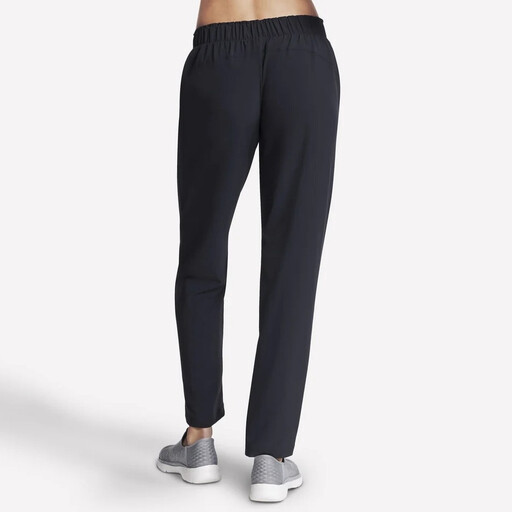
Why this suits the profile: According to the product information, these women’s training trousers are designed for fitness, training and relaxation. The regular fit and drawstring fastening are practical for changing activities.
The product listing specifies the fit, fastening and pockets. Check the care label before buying, as the description mentions both polyester and nylon.
Regular fit, drawstring and a combination of zipped pockets and side pockets for small items.
We have put together a complete, up-to-date list of products that fully meet these strict selection criteria and the applicable European safety regulations.
Choose lightweight fitness trousers with enough room to move. Polyester is often chosen for its relatively low weight and quick-drying properties. Also check that the waistband stays securely in place and that the pockets do not get in the way during exercises.
Men’s joggers are often made from cotton or fleece and are designed for comfort, warm-ups and leisure. Men’s training trousers are generally lighter and may be made from polyester or nylon. There is no fixed distinction, so always check the fabric, fit and intended use.
Their lifespan depends on use, friction, how often they are washed and how they are dried. Wash them according to the label, avoid unnecessarily high temperatures and check the seams, waistband and cuffs when buying. Trousers used only for relaxation may wear differently from football trousers or training trousers worn for several sessions a week.
