
Vandaag of morgen in huis

Kwaliteit gegarandeerd

Welkomstaanbiedingen ontgrendelen: GRATIS bezorging | Tot 80% korting | Gratis 30 dagen JoyPlus-proefperiode
Download de app
A sock slipping down during a run, a hole in the toe after three washes, or clammy feet from the wrong material. Choosing the right men's sports socks seems simple, but reality is often different. Many socks promise comfort and durability but fail to deliver, leading to discomfort and unnecessary expenses.
Before you stock up, it's wise to know the most common pitfalls:
multipack of socks runs out faster than planned.You don't need to be a textile expert to avoid these problems. Pay attention to a few practical specifications that make the difference between a bad buy and a pair of comfortable socks you'll enjoy for a long time.
The fabric composition is crucial. A good sports sock has an engineered blend of materials, each with its own function:
durable socks.A blend of these three materials typically offers a good balance between comfort, moisture management, and lifespan.
Check the product description or packaging for terms like "reinforced heel and toe". This small design adjustment nearly doubles a sock's lifespan. The extra fabric in these high-wear areas prevents holes from forming quickly, whether you're running, hiking, or at the gym.
The fit determines the comfort. A sock should be snug enough not to slip down, but not so tight that it restricts circulation. The height is also a functional choice:
men's tennis socks or for general sports use.Based on these practical criteria, we have selected a few options that suit different needs and budgets.
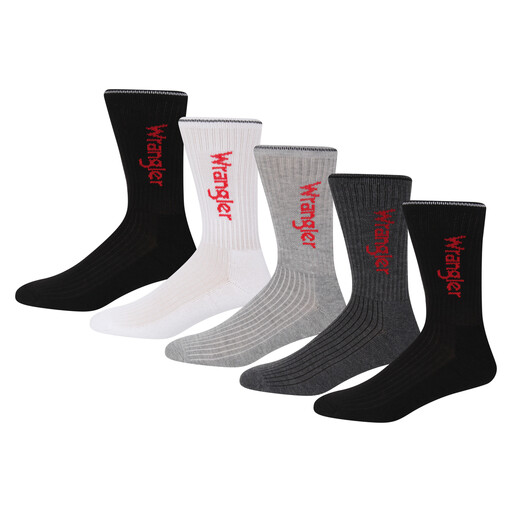
Why This Fits Their Persona: Ideal for those who need a reliable supply of socks for daily use and light sports activities. This multipack offers excellent value for money, so you don't have to constantly buy new socks.
These socks feature reinforced zones and a ribbed construction. This directly addresses the pitfalls of rapid wear and poor fit, which are common issues with cheaper multipacks.
Comes in a five-pair multipack at a competitive price. The classic crew length and neutral colours make them suitable for almost any outfit and activity.
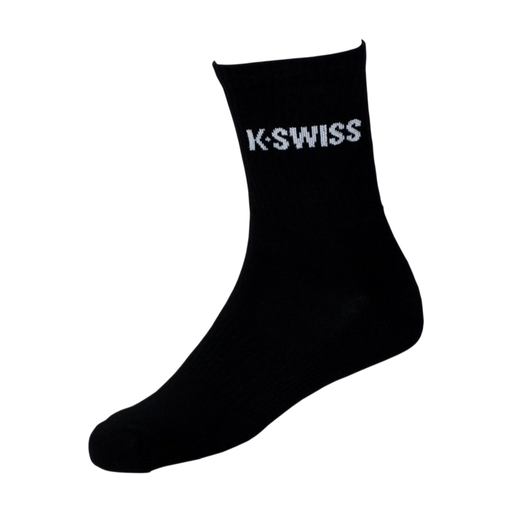
Why This Fits Their Persona: Designed for athletes who need comfort and support on the court or in the gym. The focus is on performance, with specific features for intensive use.
The material blend with a high polyester content is specifically chosen for its moisture-wicking properties. This avoids the pitfall of "breathable" socks that still feel clammy.
The cushioned sole provides comfort during sports, and the reinforced heel and toe ensure necessary durability. The elastic fit keeps the sock securely in place.
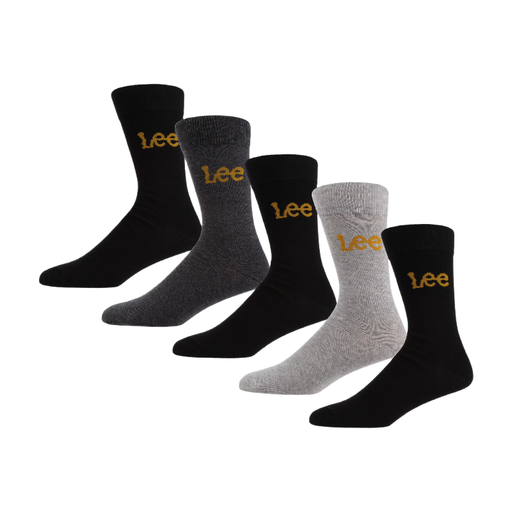
Why This Fits Their Persona: For those who value comfort, a long lifespan, and a more responsible choice. These socks are suitable for daily use, from the office to a walk in the park.
The robust structure and reinforced edges are designed for a long lifespan, avoiding the pitfall of rapid wear. The focus on quality materials ensures a lasting, proper fit.
These socks are made from high-quality recycled materials, contributing to a more sustainable choice. The soft, breathable blend of cotton, polyester, and spandex provides all-day comfort.
We've compiled a complete, up-to-date list of products that fully meet these strict selection criteria and quality standards.
How should I wash sports socks to make them last? For maximum lifespan, wash sports socks inside out at a temperature no higher than 40°C (104°F). Avoid using a tumble dryer; the high heat can damage the elastane fibres, causing the sock to lose its stretch and fit. Let them air-dry.
What's the difference between tennis socks and regular sports socks? Although the terms are often used interchangeably, men's tennis socks traditionally have a thicker sole for extra cushioning during landings and a higher, ribbed shaft for support during quick, lateral movements. Regular sports socks are often lighter and more focused on general comfort and moisture-wicking.
How often should you replace sports socks? There's no fixed rule, but a good guideline is to replace your socks as soon as you notice the elasticity is decreasing, the cushioning underfoot feels flat, or thin spots appear at the heel or toes. With regular, intensive use, this is often after 6 to 12 months.
