
Vandaag of morgen in huis

Kwaliteit gegarandeerd

Welkomstaanbiedingen ontgrendelen: GRATIS bezorging | Tot 80% korting | Gratis 30 dagen JoyPlus-proefperiode
Download de app
Sports shorts need to do more than look the part. When you’re training, you want to move freely, avoid constantly adjusting the waistband and have somewhere secure to keep your phone. Yet there are a few common pitfalls when buying men’s sports shorts.
Compression shorts fit close to the body and move with you. They can be comfortable for fitness, high-intensity training or as a base layer. If you mainly walk, relax or want something casual, you may find a regular fit more comfortable.
Look out for terms such as compression fit, regular fit, medium rise and the stated inseam length. A pair with a 15 cm inseam will fit differently from a style with a 25 cm inseam.
Terms such as moisture-wicking, dryCELL and quick-drying describe features that, according to the product description, help draw moisture away from the skin or help the fabric dry faster. The results also depend on how hard you’re exercising, the temperature and ventilation.
According to Under Armour’s product description, certain HeatGear styles use lightweight fabric and mesh panels for ventilation. PUMA’s product description says dryCELL is designed to move moisture away from the body as you move. Think of these as fabric features, not a guarantee that you’ll feel completely dry in every situation.
Open side pockets are handy for keys or a phone during a warm-up, but may feel less secure when running or doing high-intensity exercises. A zipped back pocket or dedicated side pocket may be a better choice. Also check that the pockets are big enough for your phone and that their contents won’t get in the way when you’re doing squats or using gym equipment.
The choice between polyester, elastane, cotton and French terry has a big impact on how your shorts feel.
A fabric blend of 84% polyester and 16% elastane, as used in the Under Armour HG Armour Shorts, indicates a stretchy sports fabric. The Under Armour Rival styles and certain PUMA shorts use a cotton-polyester blend for a softer, more casual feel.
Measure around your waist where the waistband usually sits. Compare your measurement with the size chart on the product page, rather than relying on the S, M, L or XL label alone. For example, the Under Armour Rival Terry 6In lists waist and hip measurements for each size. The Under Armour HG Armour Shorts have a compression fit; according to the product information, you may want to size up if you prefer a looser fit or are between sizes.
For the PUMA Ess Woven styles, the product information recommends choosing your usual size. The shorts have a medium rise and sit above the knee. Always check the current size chart for the size you’ve chosen.
An elasticated waistband with a drawcord gives you more control over the fit. A wide, visible elastic waistband can provide extra support as you move in a compression style. Also look out for:
Care instructions matter too. Some styles can be machine-washed cold and tumble-dried on a low setting; other PUMA styles should be washed at 30 °C and must not be tumble-dried. Always follow the care label to help preserve the shape and colour.
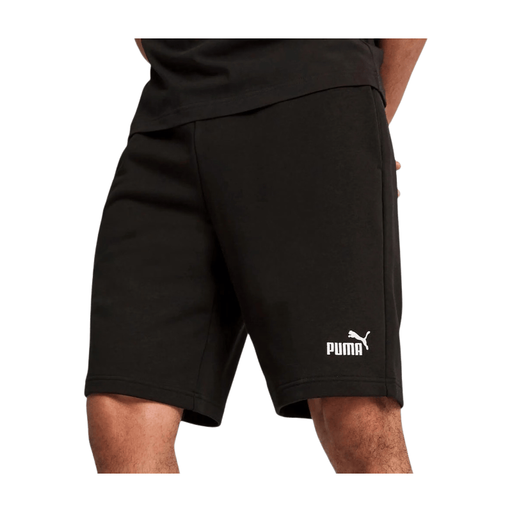
Why it suits this profile: These black sports shorts have a knee-length cut, an elasticated waistband and side pockets. They’re a good fit for everyday wear, light training and relaxing days.
The regular fit means you won’t end up choosing a style that’s too tight for everyday wear. The side pockets are clearly listed upfront, so you won’t discover after buying that there’s no storage at all.
68% cotton and 32% polyester; adjustable waistband; knee-length fit; made with at least 50% recycled material according to the product information.
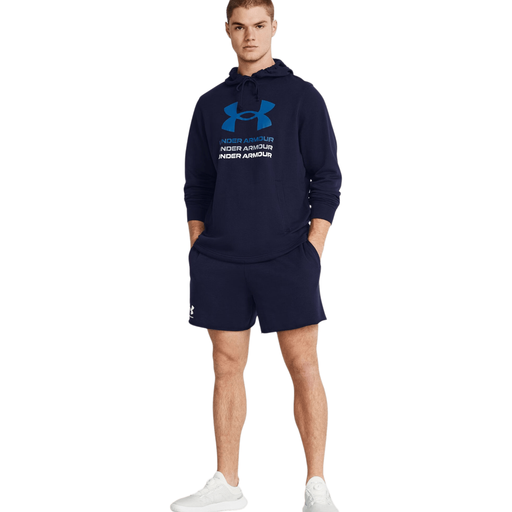
Why it suits this profile: The regular-fit French terry makes these shorts a versatile choice for warm-ups, lighter gym sessions and wearing at home.
The product information specifies a regular fit and a drawcord. That means you don’t have to guess between a tight compression fit and shorts that are too loose.
80% cotton and 20% polyester; 15 cm inseam; open hand pockets; elasticated waistband with external drawcord.
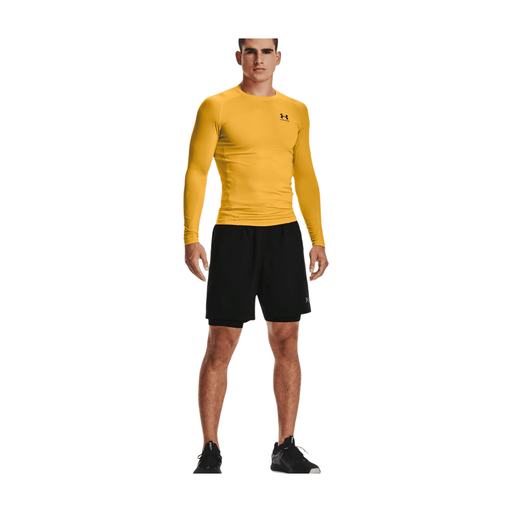
Why it suits this profile: This close-fitting style is designed for training, wearing as a base layer and active everyday use. It stays close to your body as you move.
The product description specifies a compression fit, mesh panels, a gusset and a right-side pocket. If you’re looking for loose cotton shorts, you can rule these out; if you want support and minimal loose fabric, you’ll know exactly what to expect.
84% polyester and 16% elastane; 15 cm inseam; mesh for ventilation according to the product description; right-side pocket for small items.
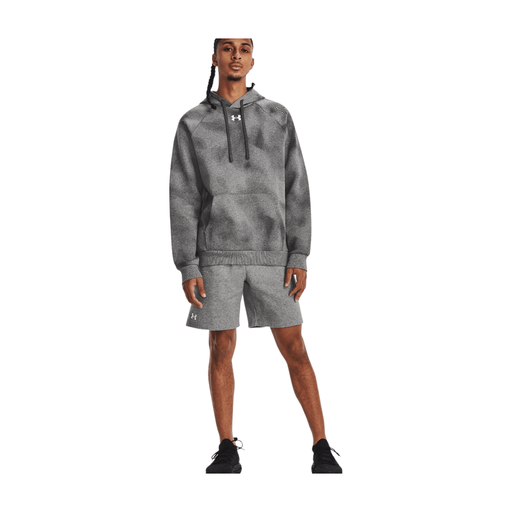
Why it suits this profile: The regular fit and fleece inner face make these shorts a good choice for warm-ups, lighter training and relaxing at home when a thinner pair feels less comfortable.
The fabric makes it clear that these aren’t ultralight running shorts. Choosing fleece means you’re not judging by sporty looks alone, without considering the temperature.
80% cotton and 20% polyester; 25 cm inseam; open hand pockets; zipped back pocket with snap fastening.
We’ve put together a complete, up-to-date list of products that meet these strict selection criteria and the applicable European safety regulations.
As a rule, choose lightweight shorts that let you move freely, with an adjustable waistband and a pocket that keeps your belongings secure. Polyester can be a practical choice if you’re looking for lightweight fabric that dries quickly. Always check the length and how the pocket fastens.
Yes, particularly for warm-ups, steady strength training and everyday wear. Cotton blends feel soft, but can hold on to moisture for longer than lightweight synthetic fabrics. For high-intensity cardio or running, breathable men’s shorts made from polyester, and possibly elastane, are often a better choice.
Choose a size that isn’t too tight or too loose, follow the care label and avoid fabric softener if the product instructions advise against it. Ideally, wash sports shorts with similar colours and regularly check the seams, waistband and pockets for signs of wear.
