
Vandaag of morgen in huis

Kwaliteit gegarandeerd

Welkomstaanbiedingen ontgrendelen: GRATIS bezorging | Tot 80% korting | Gratis 30 dagen JoyPlus-proefperiode
Download de app
A pair of men’s sports shoes might look just right online, yet still not suit the activity you have in mind. A soft sole for everyday wear, for example, performs differently on wet woodland paths than a trail-running tread. And a well-known brand name doesn’t automatically mean a shoe is suitable for every surface.
The most common buying mistakes are:
For men’s running shoes for tarmac, cushioning, flexibility and a hard-wearing rubber outsole are important. According to the product information, the adidas Runfalcon 5 is designed for road training and short distances of 0 to 10 km. It has a Cloudfoam midsole, mesh upper and Adiwear outsole.
For men’s trail-running shoes, look at the shape and depth of the lugs. According to the product specifications, the Salomon Speedcross 6 has a Contagrip outsole, EnergyCell cushioning and a SensiFit system. The Nike Pegasus Trail 3 uses multidirectional lugs and, according to the product description, is designed for both trails and urban surfaces.
For men’s football boots or lacrosse shoes, the type of studs is crucial. The Nike Huarache 9 Varsity Lax FG has fixed-ground studs for natural grass. Don’t use an FG model on artificial turf, indoor courts or hard surfaces without checking first; always follow the seller’s and your sports club’s recommendations.
A mesh upper generally allows more air through than a fully enclosed synthetic upper. That can be useful for running or everyday wear. However, mesh doesn’t mean waterproof. For rainy walks, men’s walking shoes or men’s hiking shoes with suitable protection are often a better choice than lightweight running shoes.
Pay attention to the midsole too:
These are product features, not a guarantee that every wearer will have the same experience. Fit, running style and surface all affect comfort.
It’s best to measure your foot at the end of the day, when your feet may be slightly larger. Compare the result with the size chart for the specific model. For example, the adidas Supernova Ease M is listed in EU 42 for a foot length of 26.5 cm. The adidas Ultrarun 5 in size 43 1/3 is listed for a foot length of 270 mm.
Also check for:
A sports shoe that’s too small won’t automatically stretch in a way that feels comfortable for everyone. If you’re between sizes, the returns policy and the specific size chart matter more than a general assumption about your usual size.
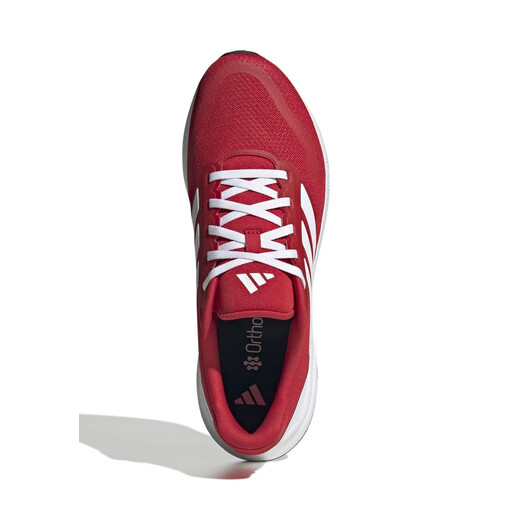
Why it suits this profile: According to the product information, this model is designed for road training and short runs of 0–10 km. Its mesh construction and Cloudfoam midsole make it a good choice if you’re looking for one pair for easy runs and everyday wear.
The stated road use and distance range make it clearer what the shoe is designed for. This helps you avoid buying a trail tread when you’ll mainly be running on tarmac.
Mesh upper, Ortholite insole, Cloudfoam midsole and Adiwear outsole, according to the product description.
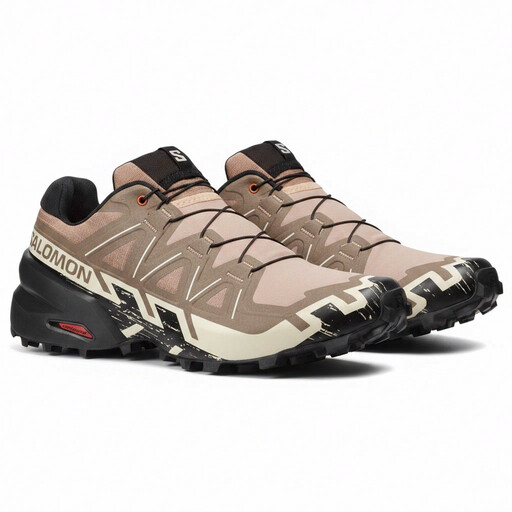
Why it suits this profile: This trail-focused shoe is designed for runners who value grip and a secure fit on technical terrain.
The Contagrip outsole and trail tread give you more specific information than a general claim that a shoe is ‘suitable for every terrain’.
Contagrip tread, SensiFit system, EnergyCell cushioning and a lightweight mesh and textile upper.
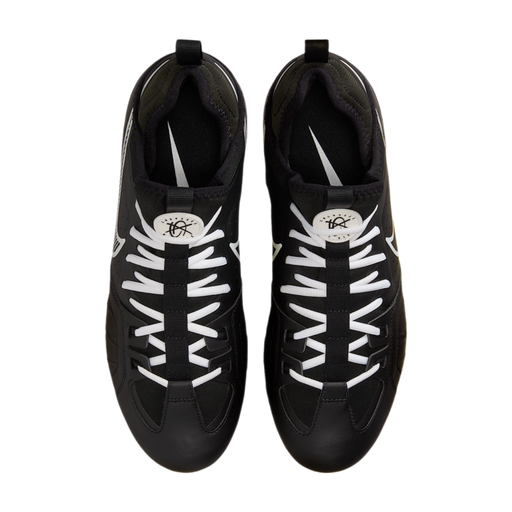
Why it suits this profile: This model is specifically designed for lacrosse on natural grass, making it a good match for players looking for a shoe dedicated to one sport.
The FG configuration indicates the intended playing surface. Before ordering, check that it’s suitable for your pitch.
Fixed FG studs, synthetic upper, foam midsole and an adjustable lace fastening, according to the product information.
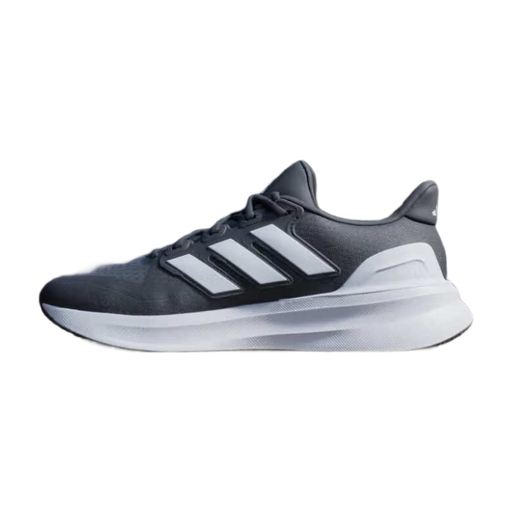
Why it suits this profile: The combination of a mesh upper, Bounce 2.0 midsole and grip-focused Adiwear outsole is well suited to regular running on paved and mixed routes.
The stated sole construction and fit offer more guidance than a general claim that the shoe is comfortable for every activity.
Bounce 2.0 cushioning, mesh upper, OrthoLite insole and Adiwear rubber, according to the product details.
We’ve put together a complete, up-to-date list of products that meet these strict selection criteria and the applicable European safety regulations.
Their lifespan depends on how you use them, your body weight, the surface, how well you maintain them and how you store them. Check the soles regularly for smooth patches, cracks or uneven wear. Even if the uppers still look good, the cushioning may feel different after many miles. Whenever possible, use sports shoes for the activity they were designed for.
No. A size 42 in one model may fit differently from a size 42 in another brand or model. Some adidas models use half sizes such as 42 2/3 or 43 1/3. Measure your foot in centimetres and check the size chart for the specific product. Also look for a narrow, regular or wide fit.
For short walks on the street, running shoes may be enough if lightweight comfort and flexibility are your priorities. For longer walks, muddy paths or changes in elevation, men’s walking shoes or men’s hiking shoes are often a better choice. Check the grip, heel stability, toe protection and any water-repellent features in particular. If a product description doesn’t mention waterproofing, don’t assume the shoes are waterproof.
