
Vandaag of morgen in huis

Kwaliteit gegarandeerd

Welkomstaanbiedingen ontgrendelen: GRATIS bezorging | Tot 80% korting | Gratis 30 dagen JoyPlus-proefperiode
Download de app
A pair of men’s sports shoes can look great online and still disappoint when you wear them. A sole that’s too soft for running, a narrow toe box or not enough grip on wet cycle paths are often things you only notice after buying. If you focus only on the brand, colour or discount, you could end up paying for features that don’t suit the way you’ll use them.
The main pitfalls are:
For tarmac and treadmills, men’s running shoes with a flexible sole and enough cushioning are usually a better choice than heavy trail models. If you’re looking for trail running shoes, check for a clearly defined tread pattern and a rubber compound designed for loose or wet surfaces.
A sole with wide contact areas can feel comfortable on roads. For woodland paths and gravel, deeper lugs and a stable heel are more important. The description “sports shoes with good grip” is only useful if it also gives details about the type of rubber, tread pattern or intended surface.
The midsole has a big impact on how a shoe feels. EVA foam is commonly used in comfortable sports shoes and can be lightweight and responsive. A softer sole may feel pleasant when walking, but it won’t provide enough stability for everyone during quick changes of direction.
So check:
Brand names for foam or stability aren’t an independent guarantee of quality. According to adidas’s product description, for example, the Supernova Stride 2 has a combination of Dreamstrike+ and EVA in the midsole. That’s a verifiable product specification, but personal comfort still depends on your running style and fit.
Breathable sports shoes with mesh can feel more comfortable on longer walks or during training. However, mesh isn’t automatically waterproof and may offer less protection from sharp branches or stones. For wet conditions, check separately whether the model is water-resistant; many lightweight models aren’t.
If possible, measure your feet at the end of the day. Compare the length in millimetres with the size chart and check whether the fit is described as regular, wide or narrow. A little room around the toes is often practical for running, but a heel that slips can cause irritation. Fit is personal, so check the returns policy and information about your statutory guarantee before buying online.
The selection below is based on the stated materials, sole construction, fastening, fit and intended uses. Brand claims about comfort, grip or support are not treated as guaranteed results.
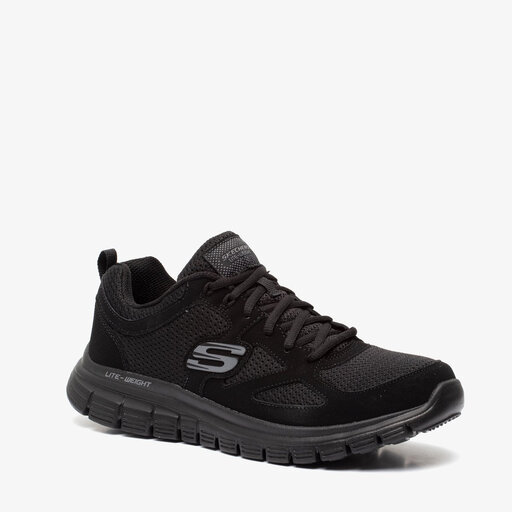
Why it suits this profile: This model is designed for everyday wear and casual outfits. The combination of synthetic leather, mesh and lace-up fastening makes it a practical choice for walking, running errands and light activities.
The product information specifies a rubber sole, mesh inserts for ventilation and a non-removable Memory Foam insole. Don’t expect this model to work as a technical trail or racing shoe.
Regular fit in EU 42, lace-up fastening, rubber outsole and mesh for increased airflow.
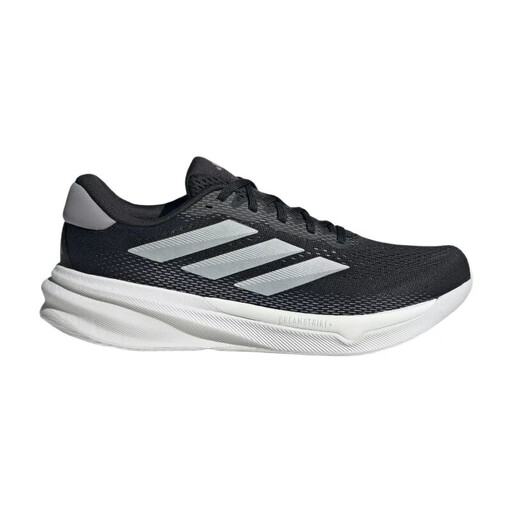
Why it suits this profile: For recreational runners looking for a dedicated running shoe for road training. The mesh upper and stated combination of Dreamstrike+ and EVA are designed to support a sporty running experience.
Rather than simply promising “comfort”, the product description names the midsole, mesh material and Adiwear rubber outsole. This makes the model more clearly defined than a general lifestyle trainer.
Mesh upper, hybrid EVA/Dreamstrike+ midsole and rubber Adiwear outsole; size EU 44 is listed.
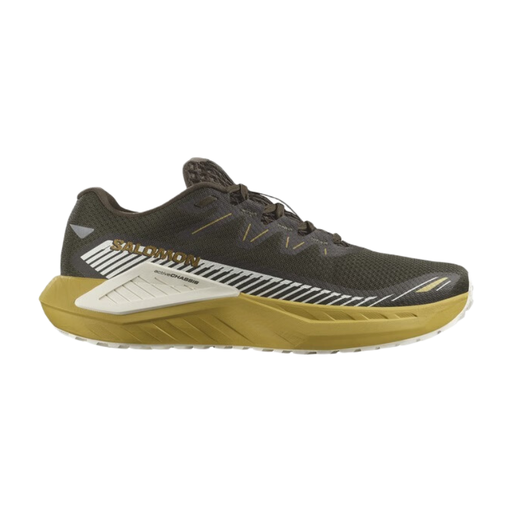
Why it suits this profile: This model is a good match for runners and walkers who mix gravel, varied paths and outdoor routes. It’s a logical option if you’re looking for Salomon trail shoes with a particular focus on stability.
The product information lists Active Chassis, Energy Foam and All Terrain Contagrip separately. This makes it easier to compare support, cushioning and grip with regular men’s trainers.
Synthetic mesh upper, Energy Foam midsole, Active Chassis and rubber All Terrain Contagrip outsole.
We’ve put together a complete, up-to-date list of products that meet these strict selection criteria and the applicable European safety regulations.
Look for a comfortable fit, a flexible rubber sole and an upper that offers enough ventilation. Models such as Skechers sports shoes are often designed for everyday wear, but always check the sole and cushioning before using them for longer walks too.
Their lifespan depends on your body weight, how often you wear them, the surface and how well you look after them. Look out for visibly worn tread, cracks in the upper, a midsole that’s compressed unevenly or less support around the heel. Wash shoes according to the care instructions and leave them to air-dry. A statutory guarantee of at least two years may apply to faults that aren’t caused by normal wear and tear or incorrect use.
Not necessarily. Lightweight running shoes can feel comfortable during speed sessions or training, but less material can sometimes mean less protection or stability. So compare the weight with the sole thickness, fit, cushioning and the terrain you run on. Choose comfort that suits the way you use them, not just the lightest option.
