
Vandaag of morgen in huis

Kwaliteit gegarandeerd

Welkomstaanbiedingen ontgrendelen: GRATIS bezorging | Tot 80% korting | Gratis 30 dagen JoyPlus-proefperiode
Download de app
A pair of men's sports shoes might look comfortable and versatile in photos, but that doesn't automatically mean they're right for how you plan to use them. A shoe for tarmac needs to meet different requirements from one designed for muddy woodland paths. And a comfortable men's trainer that's great for shopping may not offer enough stability for running training.
The term “all-terrain” sounds practical, but check what it actually means. A shallow tread may suit tarmac and gravel, but could offer less grip on wet roots, mud or loose stones. For trail-running shoes, the rubber outsole, tread depth and sole stability matter more than the label on the product page.
A thick or soft midsole can feel comfortable when you try a shoe on. Even so, your heel should stay firmly in place and your toes shouldn't press against the front. A well-cushioned shoe that's too narrow can become uncomfortable on longer walks or training sessions. So check the last, shoe width and available size options.
A membrane such as GORE-TEX can help keep out rain and splashes. However, an upper made from open mesh will often let more air through. Choose waterproof men's walking shoes for wet routes, but look for breathable mesh if you mainly exercise indoors, on the road or in dry weather.
The midsole determines how much bounce and support you feel as you walk. EVA foam is common in men's running shoes and walking shoes. Check whether the product description mentions a single layer of EVA, a multi-layer construction or a specific foam density. Marketing terms such as “energetic” or “responsive” are less useful than clear information about the material.
For recreational running on tarmac, a lightweight running shoe with enough cushioning is often a practical choice. For short walks or everyday sports shoes, a flexible sole may feel more comfortable than a stiff trail shoe.
A shoe with an anti-slip sole needs more than just a rubber outsole. Check the tread pattern and the type of terrain the shoe is designed for, too. A flatter pattern rolls smoothly across town, while a deeper tread can offer more grip on sand, gravel and mud. Manufacturers may base grip claims on their own product information, so treat them as specifications rather than a guarantee for every surface or weather condition.
Mesh and textile uppers usually provide ventilation and keep weight down. Synthetic leather can offer more structure and protection, but feels less breathable. If you have an average-width foot, your usual size is generally a good starting point. If you're unsure, measure your foot length in millimetres and compare it with the size chart.
Also look out for:

Why it suits this profile: This model is designed for routes that combine tarmac, gravel and light trails. Its mesh and woven upper is lightweight, while the EVA midsole is designed to cushion and absorb impact, according to the product information.
The description specifies the upper, EVA midsole and ROCKYTEC rubber outsole. That means you can base your choice on features you can check, rather than general claims about comfort.
Lightweight mesh, EVA cushioning, and a standard or slim-fit version. According to the size information, this model fits true to size.

Why it suits this profile: A good choice for walkers and trail runners who often tackle wet or technical paths. The product information lists a GORE-TEX membrane, 3D Advanced Chassis and Contagrip outsole.
The materials listed make the balance between waterproofing and ventilation clearer. This is a dedicated trail and walking shoe, not an everyday town trainer.
GORE-TEX, Quicklace and a Contagrip rubber outsole. The 3D construction is designed to provide stability on uneven terrain.
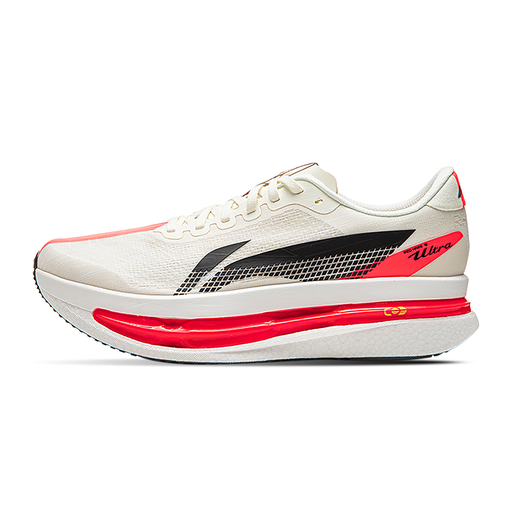
Why it suits this profile: Designed for runners looking for a performance-focused construction for road training and races. The product information lists a multi-layer BOOM midsole, a fibreglass plate and a GCU outsole.
This shoe isn't described as an all-purpose walking shoe or lifestyle trainer. Its specifications make clear that the construction is aimed primarily at intensive running training.
Three layers of BOOM foam, breathable mesh and a performance fit. If you have a wider forefoot, going up half a size is recommended.
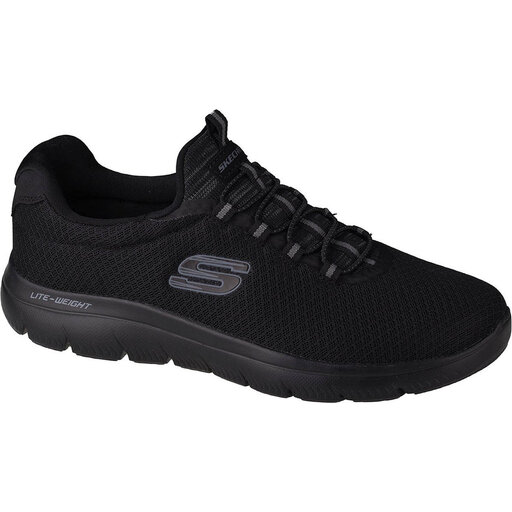
Why it suits this profile: A practical choice for commuting, shopping, light exercise and long days on your feet. The slip-on design with bungee laces makes them easy to put on.
The product information sets out the fit, sizing and materials. This makes it clear that the model is mainly for everyday wear, rather than technical trails.
Knitted mesh, a memory foam insole, a rubber tread sole and a regular fit. The insole isn't removable.
We've put together a complete, up-to-date list of products that meet these strict selection criteria and comply with current European safety regulations.
How long they last depends on the surface, your body weight, how often you wear them, how well you look after them and your running style. Check the tread regularly for wear, the upper for tears and the midsole for signs of deformation. A pair used mainly for walking may wear differently from men's running shoes worn several times a week.
You can wear them for light everyday activities, but bear their design in mind. A running shoe may be relatively lightweight and flexible, while a trail shoe offers more protection and tread. For extended wear around town, a comfortable men's trainer is often more practical if you don't need extra grip or a waterproof membrane.
Measure both feet at the end of the day and use the longer foot as your guide. Compare the measurement with the brand's size chart. Wear the socks you'd normally use when trying the shoes on, and check that your toes can move freely. If the shoe has a performance fit or you have a wide forefoot, going up half a size may work well, provided the sizing information supports it.
