
Vandaag of morgen in huis

Kwaliteit gegarandeerd

Welkomstaanbiedingen ontgrendelen: GRATIS bezorging | Tot 80% korting | Gratis 30 dagen JoyPlus-proefperiode
Download de app
A pair of men’s sports shoes may look convincing online, but that does not automatically mean they are suitable for your needs. A shoe designed for tarmac behaves differently from a trail model. And a comfortable everyday trainer does not always offer enough stability during an intense workout.
The most common purchasing mistakes:
So don’t rely on the product photo alone. Check the technical description, fit and intended terrain.
For running on tarmac, lightweight running shoes with a flexible outsole and sufficient cushioning are usually a practical choice. An EVA or similar foam midsole can help absorb impact while running, but the amount of cushioning is a matter of personal preference. A softer shoe feels comfortable during easy miles, while a firmer model may provide more direct contact with the ground.
For woodland and mountain trails, men’s trail running shoes with a deeper tread are more suitable. Pay attention to the depth and shape of the lugs. An outsole with rubber grip zones is useful on mud, loose ground and wet rocks. According to the product description, the Joma TR-6000 uses an EVA midsole, a rubber outsole with a high-traction tread, and a reinforced toe and heel.
Men’s walking shoes should prioritise stability, protection and a tread suited to the terrain. For gravel paths, a model with a supportive chassis may be sufficient. For wet conditions, a waterproof membrane is worth considering, but bear in mind that this type of construction is often less breathable than an open mesh upper.
Cushioned running shoes vary in foam density, sole height and stability. Check the following:
According to the product description, the adidas Galaxy 7 M has a Cloudfoam midsole and a standard fit. This makes this type of shoe interesting for recreational runners and everyday use, but the description is no substitute for trying the fit yourself.
Brands sometimes make far-reaching claims about energy return, joint impact or injury prevention. Do not treat these as guaranteed results. According to the brand’s own research, certain materials or constructions may deliver specific performance benefits, but your running style, weight, surface and fit have a major influence on your experience. Medical claims should not be a reason to choose a model without professional advice.
A good sports shoe should hold your heel securely without pinching. Your toes need enough room to move slightly, especially when walking and during longer runs. Ideally, try shoes on with the socks you wear when exercising.
If you are specifically looking for men’s sports shoes in size 42, also check the stated foot length. For the PELLIOT models, EU 42 is linked to a foot length of 260 mm. The adidas Galaxy 7 M lists EU 42 and a foot length of 270 mm. This difference shows why the size number alone is not enough.
A wider foot may benefit from a roomier fit. Some PELLIOT variants are available in both a standard and a slim version. With models featuring a close, race-oriented fit, choosing half a size larger may make sense if you need more room for your toes. Always follow the size guide for the specific product.
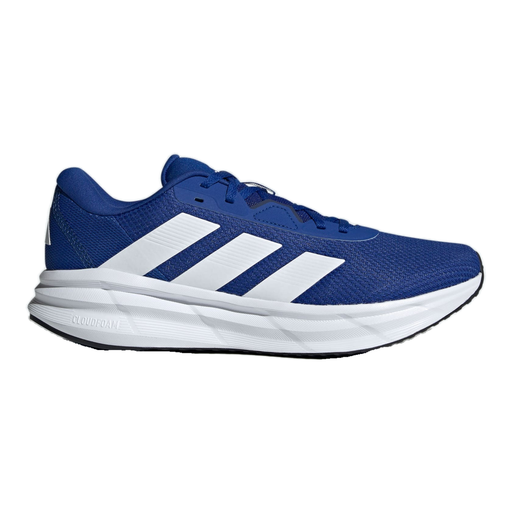
Why it suits this profile: An accessible model for beginner runners, short workouts and everyday use on the road.
The product information specifically mentions a standard fit, Cloudfoam midsole and TPU outsole rather than relying on general comfort claims alone.
Cloudfoam cushioning, breathable textile lining and EU size 42 with a stated foot length of 270 mm.
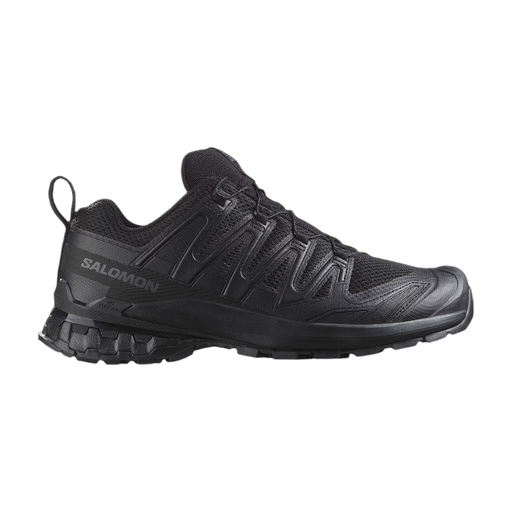
Why it suits this profile: Designed for trail running and walking when grip, stability and protection in changeable weather are the priorities.
The description mentions the GORE-TEX membrane, 3D Advanced Chassis and Contagrip outsole. This makes its intended use clearer than that of a general sports shoe.
Waterproof membrane, Quicklace system and support for wet and rough terrain.
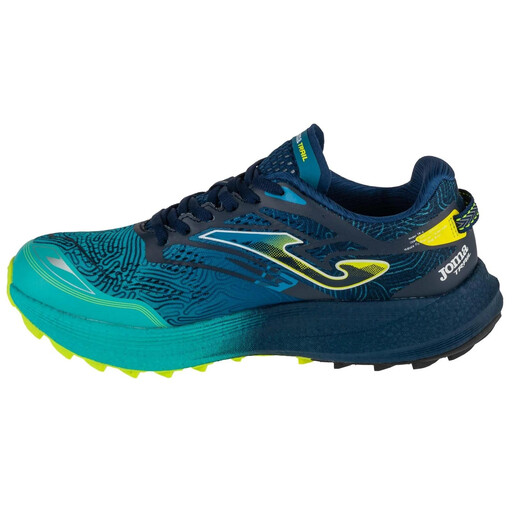
Why it suits this profile: A trail model for runners who want to combine protection, breathability and grip on uneven paths.
The model combines a mesh upper with synthetic overlays and a reinforced toe and heel. It has therefore been selected for more than just its appearance.
EVA shock absorption, a rubber sole with a high-traction tread and a standard fit in size 44.
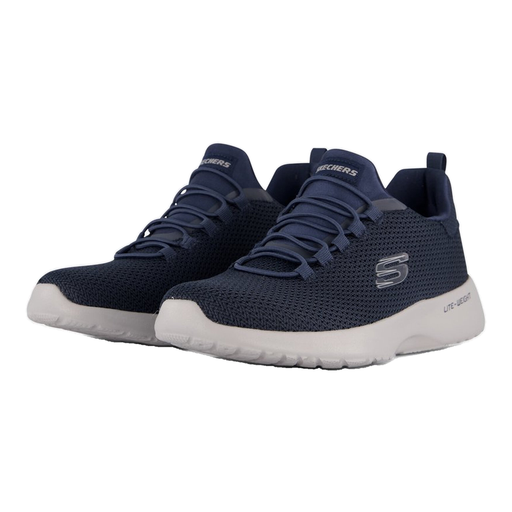
Why it suits this profile: A practical choice for walking, commuting and light gym training where comfort and ventilation matter.
The product information specifies a mesh upper, shock-absorbing midsole and standard fit. This model is not intended for technical trails.
Air-Cooled Memory Foam according to the product description, soft mesh materials and rubber outsole.
We have put together a complete, up-to-date list of products that fully meet these strict selection criteria and the applicable European safety regulations.
Their lifespan depends on use, body weight, surface, maintenance and storage. Regularly check the tread, cracks in the sole and any lasting deformation of the midsole. With frequent running, signs of wear may appear sooner than with everyday walking. After a wet workout, allow shoes to air-dry and avoid direct heat, as it can damage the materials.
No. Price is no guarantee of the right fit or running experience. Look at cushioning, stability, weight, width and the terrain for which the model is designed. Racing models with a rigid plate or close-fitting upper may be less comfortable for relaxed everyday use. Choose based on function and fit first, then consider brand and price.
Football boots and men’s training shoes are designed for different types of movement. Football boots often have studs for a specific surface, while training shoes are generally suitable for exercises, fitness and lateral movements on a flat floor. Do not use studded shoes on an indoor floor, and do not use ordinary trainers on a pitch where firm grip is required.
