
Vandaag of morgen in huis

Kwaliteit gegarandeerd

Welkomstaanbiedingen ontgrendelen: GRATIS bezorging | Tot 80% korting | Gratis 30 dagen JoyPlus-proefperiode
Download de app
Finding the right men's sports shoes can be a minefield. Brands promise everything, from revolutionary cushioning to universal fits. But in reality, these marketing claims often lead to disappointment: shoes that wear out after a few months, don't provide the right support, or are simply unsuitable for your activity. As a Product Recommendation Officer at Joybuy, I see where things go wrong every day. Let's expose the most common pitfalls and look at what you really need to pay attention to.
Before you spend any money, it's crucial to know which marketing myths to ignore. This will save you not only money but also discomfort and potential injuries.
You don't need to be a material scientist to make a good choice. Focus on these three concrete specifications to determine if a shoe is right for you.
The midsole is responsible for cushioning and energy return. Its material determines how the shoe feels and performs.
So don't just look at if there's cushioning, but what type it is and whether it fits your search for comfortable sports shoes.
The outsole is the point of contact with the ground. The tread pattern and rubber compound are tailored to specific conditions.
The upper material determines the fit, support, and ventilation.
Not every shoe is for everyone. Below are some popular choices, matched to a specific user profile.
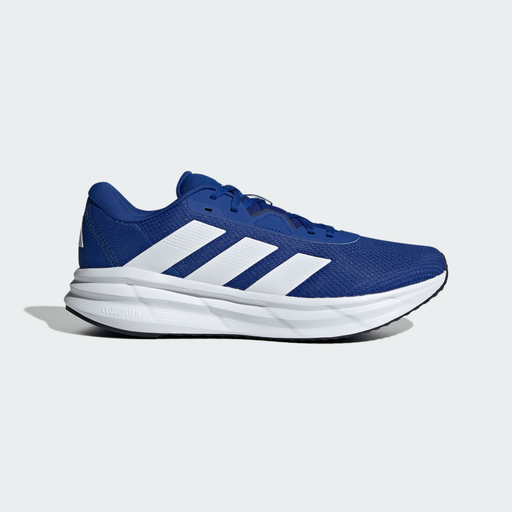
Why This Fits Their Persona: Ideal for those starting their running journey who want a reliable, comfortable shoe without paying a premium. Suitable for building up mileage on the road.
This is a pure running shoe, not a vague "jack-of-all-trades." The Cloudfoam midsole provides balanced cushioning that's comfortable without becoming unstable (avoids pitfalls 1 & 2).
The textile upper is supportive and durable. The TPU outsole is designed for reliable grip on paved surfaces.
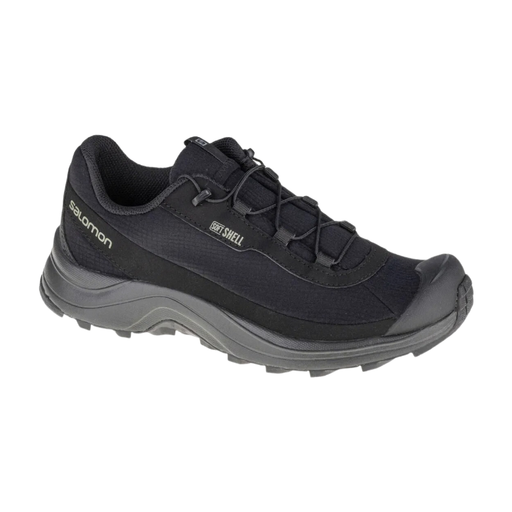
Why This Fits Their Persona: For the serious runner who doesn't shy away from technical and challenging trails. This shoe is built for grip, protection, and comfort during long adventures in nature.
The All Terrain Contagrip outsole is specifically designed for grip on varied terrain, from mud to rocks. This is the antithesis of a generic sole (avoids pitfall 3).
The combination of an EnergyFOAM midsole and SensiFit technology ensures responsive cushioning and a snug, stable fit.
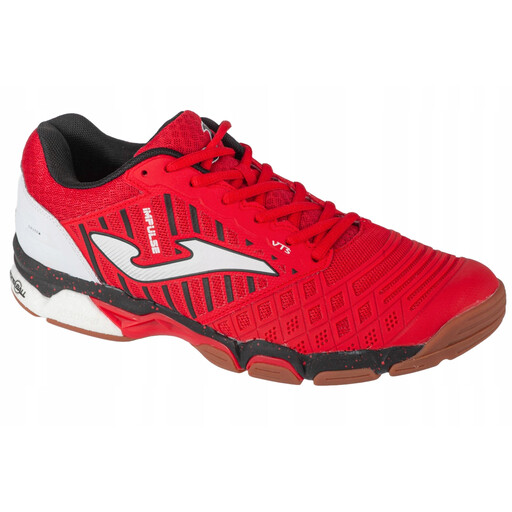
Why This Fits Their Persona: Designed for the volleyball player who needs stability, grip, and shock absorption for quick sprints, jumps, and landings on an indoor court.
This is a specialised volleyball shoe. The sole is made for indoor grip, and the cushioning is tuned for the impact of jumping, rather than the constant pressure of running (avoids pitfalls 1 & 3).
According to Joma, the Pulsor cushioning and Reactive Ball technology provide excellent shock absorption and responsiveness. The Durability technology increases abrasion resistance.
Beyond performance-focused sports shoes, there's a growing demand for comfortable, athletic footwear for daily use. For those seeking a more casual style, we've curated a separate selection.
A shoe's lifespan depends on the activity, frequency of use, and your body weight. For running shoes, a general guideline is 500 to 800 kilometers. However, a visual inspection is more reliable. Look for deep creases in the midsole (a sign of worn-out cushioning) and a smooth, worn-down tread on the outsole. For indoor court shoes, wear on the sides and reduced grip are clear signals for replacement.
Not necessarily. A higher price often correlates with more advanced technologies, lighter materials, or a more specialised design (like high-end men's Salomon shoes for ultrarunning). For a beginner athlete or for general use, a solid entry-level model, such as a mid-range Adidas running shoe, can be a smarter choice. The right shoe is the one that fits your feet, your activity, and your budget.
They're fine for cardio machines like the treadmill or elliptical. However, be cautious during weight training (especially with heavy lifts like squats) or group classes with a lot of lateral movement. Running shoes are designed for forward motion and often provide insufficient lateral support, which increases the risk of rolling your ankle. For those activities, a cross-training shoe or a shoe with a flatter, more stable sole is a better option.
