
Vandaag of morgen in huis

Kwaliteit gegarandeerd

Welkomstaanbiedingen ontgrendelen: GRATIS bezorging | Tot 80% korting | Gratis 30 dagen JoyPlus-proefperiode
Download de app
A pair of men’s sports shoes can look great in photos and still disappoint once you start running, training or walking around town all day. Three purchasing pitfalls are particularly common:
So don’t use appearance or brand alone as your selection criteria. Start by considering how you will use the shoes, the surface you will wear them on and the technical specifications in the product description.
For regular miles, men’s running shoes with a close-fitting upper and cushioned midsole are a practical choice. A mesh upper can improve airflow, which is useful during longer training sessions. Also check whether the outsole is suitable for road running, treadmill use or a combination of both.
Cushioned sports shoes are not automatically suitable for every runner. A soft midsole may feel comfortable, but some users prefer a more stable shoe with a more direct connection to the ground.
For unpaved paths, men’s trail running shoes with a profiled sole and reinforced toe box make more sense than smooth-soled men’s trainers. Pay attention to the sole’s grip, protection around the toes and the stability of the upper. Breathable material can help during exercise, but it does not automatically protect against rain or mud.
If you mainly run on Dutch cycle paths, woodland trails and surfaced walking routes, versatile men’s walking shoes or trainers with a rubber outsole may also be suitable.
For fitness, a stable base is often more important than very soft cushioning. During strength training, you do not want your foot to sink excessively. For everyday wear, comfortable men’s trainers with a standard fit, flexible sole and sufficient ventilation are often more practical.
Various Skechers men’s shoes feature a memory foam insole. According to the product descriptions, this may provide a softer feel underfoot, but the experience varies depending on the user and the fit.
Men’s basketball shoes generally need a sole that is suitable for quick stops and lateral movements. With men’s wrestling shoes, a close-fitting construction with grip on the mat is particularly important. According to the product information, a wrestling shoe is not intended for outdoor use or rough surfaces.
Check which material is used in the midsole. Examples in the range include:
These names describe the construction, but they do not guarantee a particular running experience. Also consider the difference between a firm, stable shoe and a softer model designed for comfort on easy miles.
A breathable sports shoe often has a mesh upper. Mesh can improve airflow, while synthetic overlays or reinforcements can provide additional structure. Check whether the upper is made entirely from mesh or partly covered with synthetic material.
Lace-up fastening offers more adjustment options than a slip-on design. Elastic laces can be convenient for everyday use, but for intensive sports, a precise fastening system is generally more important.
A sports shoe with a rubber sole can offer grip and durability, but the tread determines where the shoe is most suitable. Rubber with lugs is better suited to trail routes than a flat sole designed for everyday use. A vulcanised rubber sole, such as the one on the Converse model, is designed to provide flexibility and grip during everyday activities.
Always check the stated surface. The product description for the Skechers Burns 52635 BKGY lists trails as a suitable surface, while the Nike Inflict 3 is described as being intended exclusively for wrestling mats.
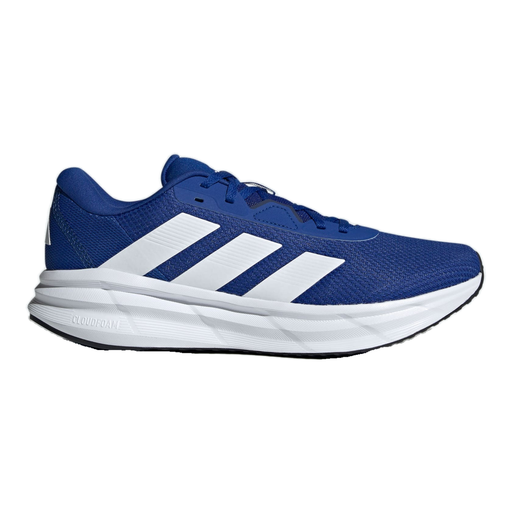
Why it suits this profile: A straightforward choice for anyone starting to run and looking for one pair for easy training sessions and everyday use. The product description states that it has a standard fit and a Cloudfoam midsole.
Its intended use is clearly described as a road-running shoe. This helps prevent you from using a trail shoe or indoor sports shoe incorrectly.
Textile upper, Cloudfoam midsole, TPU outsole and lace-up fastening.
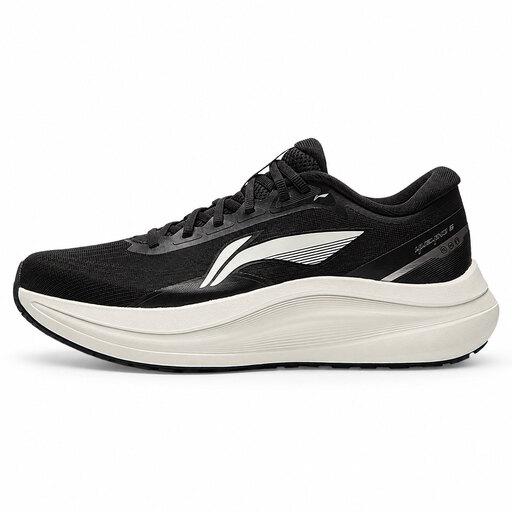
Why it suits this profile: For runners who value a broad toe box, support around the heel and a sophisticated sole construction.
The product information specifically mentions the broad toe box, standard fit and recommendation to consider going half a size up if you have wider feet.
Full Tempo Bounce midsole, rubber sole with grip zones and additional heel support according to the product description.
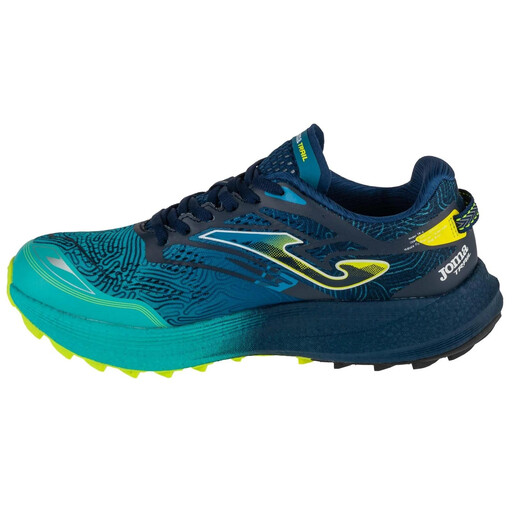
Why it suits this profile: Designed for trail running and unpaved routes where grip, protection and a sturdier construction matter.
The shoe has not been selected on appearance alone: the description mentions a high-grip profiled sole, reinforced toe and heel, and standard D width.
Mesh with synthetic protection, EVA midsole and rubber outsole with traction according to the product details.
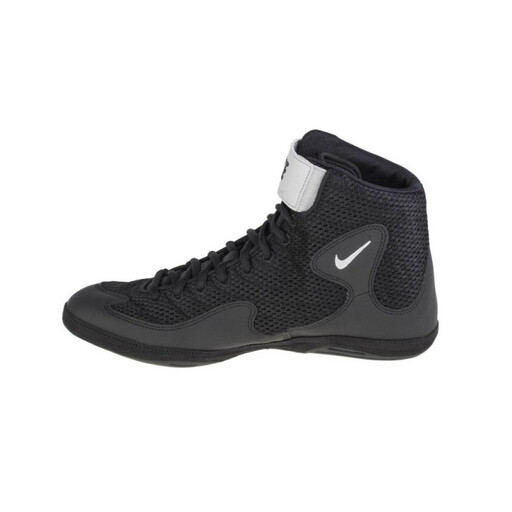
Why it suits this profile: For wrestlers looking for a shoe specifically intended for mat training and competitions, according to the product description.
The usage limitation is clear: according to the product information, this model is not suitable for outdoor sports or rough surfaces.
Mesh upper, lace-up fastening, adjustable ankle strap and rubber sole according to the product description.
We have put together a complete, up-to-date list of products that fully meet these strict selection criteria and the applicable European safety regulations.
Measure your foot at the end of the day, when it takes up slightly more space. Compare the length with the size chart for the specific model and wear the socks you normally use. A standard D width is not the same as a wide fit.
Allow sports shoes to air-dry after use and avoid direct heat. Clean mesh, synthetic material and rubber with a damp cloth unless the manufacturer provides different instructions. If you use them frequently, consider alternating them with a second pair. Lifespan depends on body weight, distance, surface, rotation and care. Replace a pair when the sole shows visibly uneven wear, the cushioning has clearly deteriorated or the upper no longer provides a stable fit.
That depends on how they are used. A pair for everyday walking may wear differently from running shoes used several times a week. Regularly check the tread, sole and fit rather than looking only at the age of the pair.
For light fitness or warming up, this may sometimes be practical. For strength training, intensive lateral movements or indoor sports, a model with suitable stability and grip is generally a better choice. Always check the recommended surface and type of movement.
No. Comfort depends on size, width, fastening, material and the shape of the midsole. A carefully chosen model with a suitable fit may be more comfortable to wear than a more expensive pair that does not suit your foot or activity.
