
Vandaag of morgen in huis

Kwaliteit gegarandeerd

Welkomstaanbiedingen ontgrendelen: GRATIS bezorging | Tot 80% korting | Gratis 30 dagen JoyPlus-proefperiode
Download de app
Buying a pair of men’s sports shoes seems straightforward, until you realise that a model for everyday use is built differently from a shoe for running or off-road paths. A low price or well-known brand name alone says little about making the right choice. Focus instead on the construction, intended use and available size.
Men’s trainers for everyday use can be comfortable for shopping or commuting, but they are not automatically suitable for running. Men’s running shoes generally have a different midsole and outsole construction. For strength training or fitness, men’s training shoes are often more practical thanks to their more stable base.
Words such as “maximum cushioning” or “performance” do not always indicate how a shoe feels in practice. So check the specific product information:
According to a brand’s own research, certain features may have a particular effect, but such claims are no guarantee for every wearer. Use the listed materials and construction features as your starting point.
An EU size is useful, but not always enough. Also check the foot length in millimetres and the width. A model with a regular fit may fit differently from a running shoe with a close-fitting last. If you are looking for men’s sports shoes in larger sizes, it is worth checking that your desired size is actually in stock; a continuous size range does not mean that every colour or version is available.
Cushioned sports shoes often use EVA foam or a branded foam material in the midsole. A softer midsole can feel comfortable when walking and jogging gently. For workouts involving lateral movement, a stable sole base is more important than an exceptionally soft finish.
According to the product information, the adidas Supernova Stride 2 uses a combination of Dreamstrike+ and EVA in the midsole. The adidas Galaxy 7 has a Cloudfoam midsole. These are verifiable construction features, but the eventual feel also depends on your weight, running style and the surface beneath you.
Breathable sports shoes often have a mesh or textile upper. This can promote airflow, particularly when walking, training or in warm weather. Mesh is not the same as waterproofing, however. For rainy cycle rides or wet woodland paths, you should also consider protection and grip.
A fully synthetic upper may be easier to clean, while textile or mesh will generally feel more flexible. Always check the care instructions: some models can be machine-washed, while others should only be cleaned with a damp cloth.
For tarmac, running shoes with a relatively flat rubber outsole are usually suitable. For woodland paths, gravel and mud, trail running shoes with a pronounced tread are more appropriate. Bear in mind that a trail outsole can feel different on smooth shop floors or tarmac compared with a flat running outsole.
According to the product description, the Salomon DRX DEFY GRVL uses an All Terrain Contagrip outsole and is designed for gravel and mixed terrain. Salomon describes the Active Chassis construction as providing support on uneven ground. Treat this as a product specification rather than a promise that the shoe will suit every foot or situation.
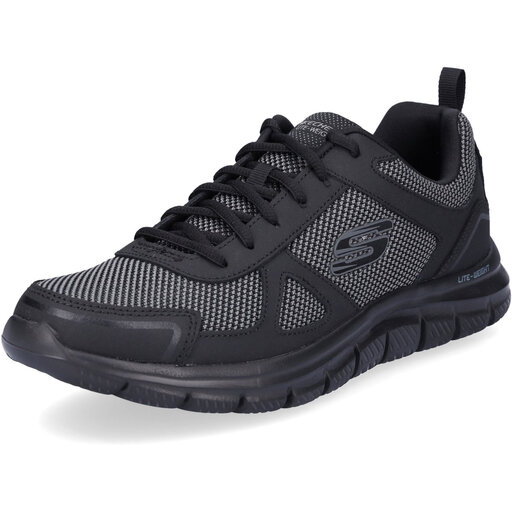
Why it suits this profile: A practical choice for light training, walking and everyday use. The product information states that it has a regular fit in size 40.
The combination of laces, mesh and leather-look synthetic panels makes the fit and ventilation easy to assess, rather than relying on marketing language alone.
Memory Foam insole, rubber sole and lace fastening according to the product details.
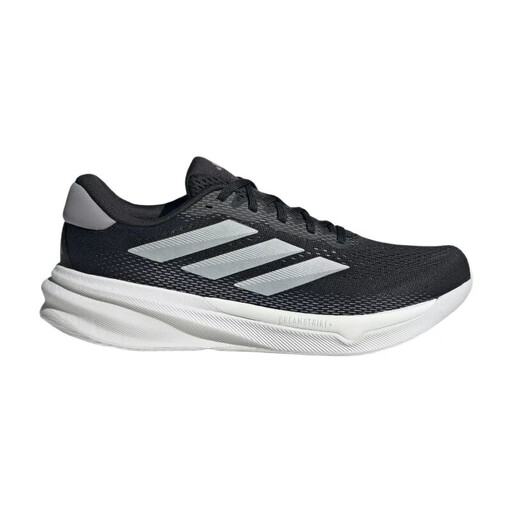
Why it suits this profile: Designed for running training on paved routes. The size 46 and mesh upper make it a logical option for runners looking for a larger size and good ventilation.
The intended use, midsole and outsole are clearly described. This makes it easier to distinguish the shoe from a general-purpose comfortable trainer.
Dreamstrike+ and EVA in the midsole, mesh upper and Adiwear rubber outsole according to adidas.
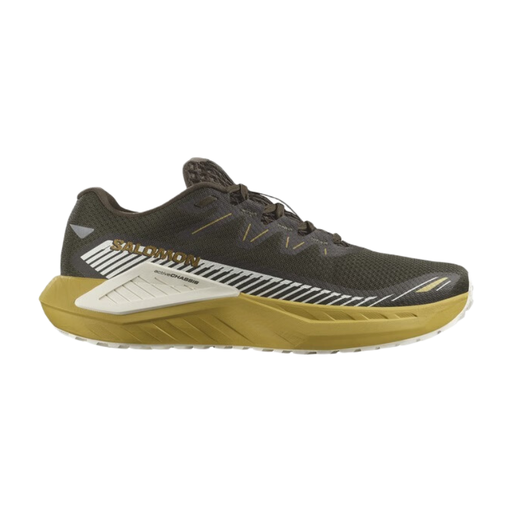
Why it suits this profile: For gravel, mixed terrain, trail running and walks outside the city. The construction is designed to provide grip and stability on uneven paths.
The All Terrain Contagrip outsole makes it clear that this is not a smooth city trainer. Only choose this type if you genuinely run on gravel or mixed surfaces.
Active Chassis, Energy Foam and a rubber All Terrain Contagrip outsole according to the product description.
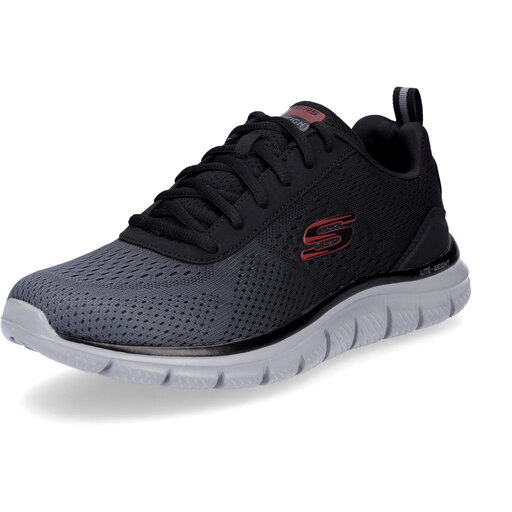
Why it suits this profile: An everyday sporty model in a larger size, suitable for walking and light activities. The fit is described as regular.
The specific size, regular fit and non-removable insole are stated in advance. This allows you to take any personal orthotics into account.
Textile upper, rubber sole, Memory Foam insole and pull tabs according to the product details.
We have put together a complete, up-to-date list of products that fully meet these strict selection criteria and the applicable European safety regulations.
Where possible, order based on the longer foot. Measure both feet at the end of the day, as they can take up slightly more space by then. Wear your usual sports socks and compare the measured length with the model’s size chart.
Also pay attention to these points:
Their lifespan depends on use, body weight, surface, care and storage. Look for wear on the tread, tears in the upper and a midsole that has visibly compressed. For running, it may be sensible to consider not only time, but also hours of use and distance covered.
This is possible for simple exercises, walking on a treadmill or light circuit training. For heavy strength training and frequent lateral movement, men’s training shoes with a more stable sole are often the more logical choice. Do not automatically use a running shoe for every gym situation.
According to the product information, many Skechers models in this range are designed for everyday use, walking or light training. Models such as the BOBS B Flex, Track-Ripkent and Dynamight feature textile or mesh, a rubber sole and a comfort-focused insole. Check the fit, fastening, care instructions and recommended use for each model.
