
Vandaag of morgen in huis

Kwaliteit gegarandeerd

Welkomstaanbiedingen ontgrendelen: GRATIS bezorging | Tot 80% korting | Gratis 30 dagen JoyPlus-proefperiode
Download de app
Choosing a new pair of men's sports trousers or an outdoor jacket might seem straightforward at first. But most disappointing purchases aren't down to appearance. They're usually caused by a poor fit, unclear material properties or a garment that isn't suited to how you'll use it. Training, everyday wear, walking and climbing all have different requirements.
In this guide, we'll run through the key things to look out for. That way, you can compare men's sports and outdoor clothing based on verifiable product information, rather than marketing terms alone.
Slim trousers might look smart, but they may not give you enough room to move when walking or climbing. Check whether the style has a regular fit, slim fit or loose fit. Also check the inside leg measurement. For example, the standard version of the Under Armour training trousers has a listed inside leg measurement of 76 cm.
Men's joggers with tapered legs and elasticated cuffs can be comfortable for training and everyday wear. For long walks, a roomier pair of men's walking trousers may be more practical.
Terms such as men's waterproof jacket, men's windproof jacket and men's softshell trousers don't, on their own, tell you how much protection you'll get. Check:
The PELLIOT jackets are described in the product name as wind-resistant, water-resistant and oil-repellent. As the available product information doesn't give technical figures for hydrostatic head or breathability, it's worth checking the product page before buying the jacket for intensive outdoor activities.
Fleece and soft inner layers are comfortable in cooler temperatures, but can feel warmer than lightweight sports fabrics during intense exercise. According to Under Armour's product information, the tricot fabric wicks away moisture and dries quickly. This is a claim from the brand's product description, not an independent performance guarantee.
When choosing a men's fleece hoodie, such as the Nike FC Fleece Hoodie, temperature, fit and how you'll layer it are more important than fabric thickness alone.
For fitness, running and warm-ups, synthetic fabrics such as polyester are often practical because they're easy to care for and dry quickly. According to the product specifications, the Under Armour Men's Tricot Jogger is made from 100% polyester. The manufacturer also lists moisture-wicking and odour-control properties.
Cotton fleece trousers, such as the Adidas Trefoil Essentials Pants, feel soft and are suitable for casual wear. According to the product information, this style is made from 70% cotton and 30% recycled polyester. Cotton can be comfortable, but it generally takes longer to dry than a fully synthetic sports fabric.
Measure your waist before buying and compare it with the size guide. Check the difference between EU and UK sizes. The Under Armour joggers are available in M and XL in the supplied product variants. The listed waist measurement for M is 79–86 cm; for XL, it's 94–104 cm.
An elasticated waistband with a drawcord gives you extra adjustability. Also check whether the legs are straight, slim or tapered. Men's training trousers with ribbed cuffs stay in place more securely, while men's walking trousers with more room around the knees can feel more comfortable on uneven ground.
Always follow the care label. According to the product information, the Under Armour joggers should be washed cold, inside out, and without fabric softener or tumble dryer sheets. The Adidas trousers should be washed on a delicate cycle, with mild detergent, and ironed at a low temperature. According to the information provided, the Nike FC Fleece Hoodie can be washed cold; do not iron the print.
Washing incorrectly can cause the fabric, fit and print to wear out more quickly. A slightly more expensive garment won't necessarily be better value if its care requirements don't suit your routine.

Why it suits this profile: These fleece trousers are designed for comfortable everyday wear, relaxing and light activity. The elasticated waistband with drawcord lets you adjust the fit.
The product information clearly lists the material, waist range and care instructions. This makes it easier to decide whether the trousers are right for everyday wear.
70% cotton and 30% recycled polyester; side pockets, drawcord and ribbed cuffs.
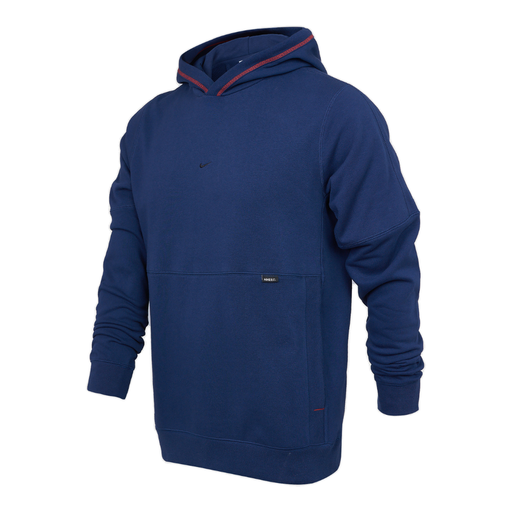
Why it suits this profile: The relaxed fit leaves room for layers and everyday wear. The adjustable hood and fleece construction make it a good choice for cooler days.
The product description specifies the fit, hood, cuffs and hem. Check the care label to help preserve the fleece and print.
Soft fleece, relaxed fit, adjustable hood and ribbed cuffs.
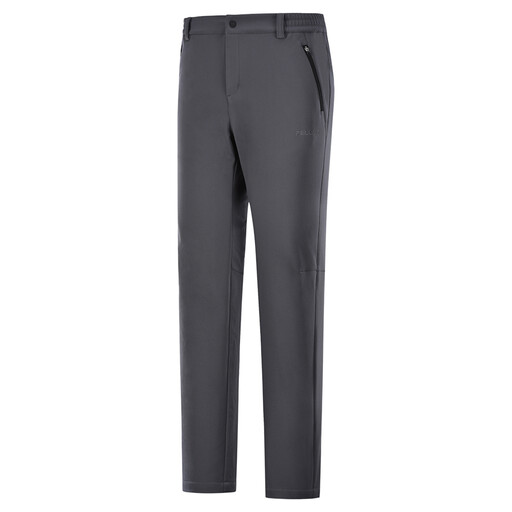
Why it suits this profile: The product name identifies these as softshell hiking trousers. This makes them worth considering for walking and outdoor activities, provided the technical size guide and material specifications suit your route.
The name makes the intended use clearer than a generic pair of sports trousers. Before buying, check the stretch, pockets, waist size and rain protection.
Softshell style for hiking; available in an XL variant; dark colour for versatile outdoor wear.
The Under Armour Men's Tricot Jogger is also a practical option for training and warm-ups. According to the product information, these men's joggers have an adjustable waist, several pockets, an internal phone pocket and tapered legs. The M and XL variants are available on the product page.
We've put together a complete, up-to-date list of products that meet these strict selection criteria and current European safety regulations.
Men's training trousers or joggers with an adjustable waist, pockets and a fit that allows you to move are usually versatile. Choose polyester for quicker drying, and fleece or cotton for a softer feel during less strenuous activities.
Check the hydrostatic head rating, taped seams, hood, cuffs and ventilation options. If the title only says “waterproof” and gives no technical figures, it's harder to compare the level of protection.
Follow the care label, use the recommended wash cycle and avoid unnecessarily high temperatures. Fasten zips before washing, and don't use fabric softener if the product information advises against it. For jackets and softshell clothing, regularly check whether the original water-repellent finish is still effective.
