
Vandaag of morgen in huis

Kwaliteit gegarandeerd

Welkomstaanbiedingen ontgrendelen: GRATIS bezorging | Tot 80% korting | Gratis 30 dagen JoyPlus-proefperiode
Download de app
Men’s softshell hiking trousers might seem like a straightforward purchase at first. However, styles can vary considerably in fit, freedom of movement and protection from changeable weather. Trousers that feel comfortable on a short walk might be too warm, too tight or impractical on a longer hike.
So, if you’re looking for men’s hiking trousers, men’s outdoor trousers or men’s hiking trousers, it’s worth looking beyond the colour and the word “softshell” in the product title. Here are the main things to consider for walking, trekking, training and everyday wear.
Water-repellent hiking trousers can help keep out light rain and splashes, but that doesn’t necessarily mean they’ll keep you dry in heavy rain for extended periods. Check whether the product information lists a hydrostatic head rating, membrane or other specific classification. If it doesn’t, don’t assume the trousers are fully waterproof.
A water-repellent outer layer may be enough for a walk through wet grass. For prolonged rain, a separate pair of waterproof overtrousers is often more practical.
Men’s outdoor trousers should give you room to climb, bend and take longer strides. A tight waist or limited stretch can become uncomfortable, especially on a trek. Don’t just check the waist size; also consider:
An elasticated waistband, drawcord or stretch fabric can make trousers more comfortable, but always check the size guide for the specific style.
Polyester, nylon and elastane don’t tell you enough on their own about how the trousers will feel to wear. The weave, lining, thickness and finish all help determine whether they’re suitable for summer walks, cooler autumn days or active everyday wear.
Also check the care instructions. Trousers that can only be washed at a low temperature or aren’t suitable for tumble drying need different care from a basic pair of men’s sports trousers.
Compare your waist and hip measurements with the size guide on the product page. Sizes such as M, L and XL aren’t the same everywhere. If you’re unsure, check the listed EU size, waist measurement and inside leg length.
A regular fit is often a practical choice for walking and hiking. A slim fit may work well for everyday wear, but might not leave enough room for a thermal base layer. For men’s trekking trousers, freedom of movement is usually more important than a close-fitting silhouette.
Check which features are actually listed in the product information:
If a technical rating, such as a hydrostatic head or breathability rating, isn’t listed, don’t assume a particular level of performance. A brand may say a product is designed for certain weather conditions, but the specific product description is what matters.
Zipped pockets are useful for keeping keys, a bank card or a phone secure while you’re out walking. Check that the pockets are deep enough and close with a zip. Everyday trousers can be simpler, while hiking trousers for longer routes can benefit from extra storage.
Softshell hiking trousers aren’t always the right choice for every occasion. In warm weather, a lightweight pair of men’s hiking trousers may feel more comfortable. For rest days, travelling or light training, men’s jogging bottoms may be a comfier option.
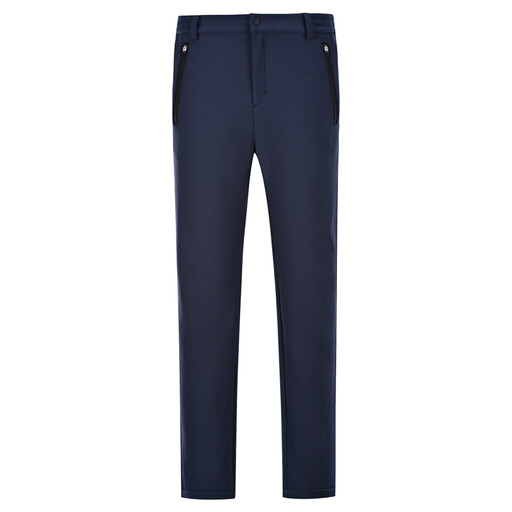
Why it suits this profile: This style is a sensible option if you’re new to walking and looking for a specific pair of men’s softshell trousers in size M and navy blue. Check the current size guide and listed technical details before you buy.
The product title describes these as outdoor softshell hiking trousers. Even so, check whether water repellency, pockets and lining are clearly specified; don’t assume they’re included.
Men’s softshell hiking trousers; navy blue; size M listed in the product name.
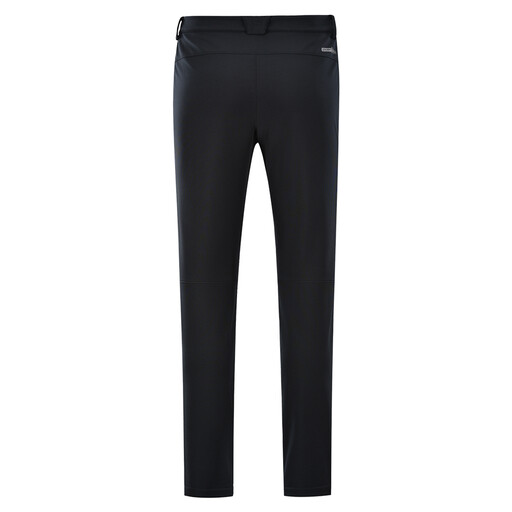
Why it suits this profile: If you’re after versatile black men’s hiking trousers for woodland walks, travel and casual outfits, you could compare this style with other sizes and colours. Black is easy to pair with outdoor clothing.
Choosing black means you’re not buying on looks alone: compare the listed size L, fabric composition and care instructions with how you plan to use the trousers.
Black; size L; described as outdoor softshell hiking trousers in the product name.
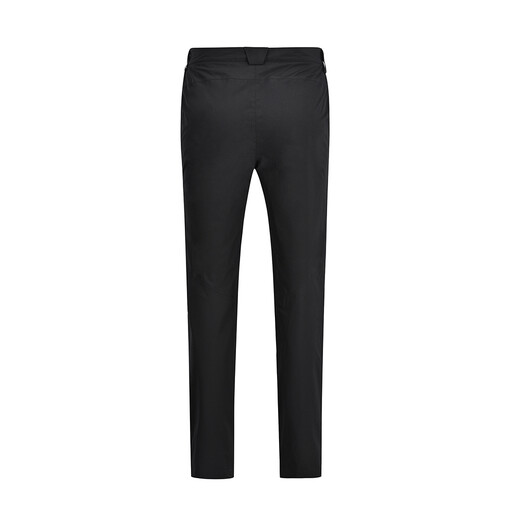
Why it suits this profile: The “single-layer” description makes this style worth considering if you’re specifically looking for a simple layer for hiking or active outdoor pursuits. In colder weather, pair the trousers with a base layer if the fit allows.
A single layer helps you avoid buying lined trousers without checking first. Still, check the thickness, fabric and weather protection on the product page.
Single-layer design according to the product name; black; size XL.
We’ve put together a complete, up-to-date list of products that meet these strict selection criteria and comply with current European safety regulations.
It depends on the specifications. Softshell can offer protection from wind and light rain, but the term alone doesn’t prove that trousers are waterproof. Look for a listed hydrostatic head rating, taped seams or a clear waterproof rating. Without this information, a separate pair of waterproof overtrousers is a sensible addition for prolonged rain.
Measure your waist and compare it with the product’s size guide. Also check the inside leg length and the room around the thighs. If you want to wear a thermal base layer, don’t choose a fit that already feels tight. A drawcord or elasticated waistband can help, but it’s no substitute for choosing the right size.
Always follow the care label and product information. A mild detergent is usually best; avoid bleach. Fabric conditioner can affect the performance of some technical finishes. If the care instructions allow, air-dry the trousers and check after washing that water still beads on the outer layer.
