
Vandaag of morgen in huis

Kwaliteit gegarandeerd

Welkomstaanbiedingen ontgrendelen: GRATIS bezorging | Tot 80% korting | Gratis 30 dagen JoyPlus-proefperiode
Download de app
A good pair of shorts should suit the occasion you wear them for. Men’s shorts for running have different requirements from cotton shorts for a warm day or fleece shorts for the gym. Even so, many models look similar in product photos and marketing copy.
So pay particular attention to these three common pitfalls:
For training, fitness or team sports, men’s sports shorts made from a lightweight, flexible fabric are practical. According to the product description, a mesh construction may help with ventilation, while a side pocket provides space for a key or phone. Do check that the pockets stay securely closed while you’re moving and that the shorts are not too loose.
For running, men’s running shorts with a lightweight outer layer and, optionally, built-in inner shorts are suitable if you want extra coverage and a close-fitting design. A reflective detail can be useful in low light, but it does not replace proper visibility in traffic.
For strength training and fitness, important points to check include a sturdy waistband, enough room around the hips and fabric that does not catch easily. A 2-in-1 design combines loose-fitting outer shorts with a close-fitting inner layer. This can be comfortable during squats, cycling or exercises where the shorts need to stay in place.
Compression shorts are a separate category. They fit closely against the body. If you prefer less pressure or more room to move, regular or loose-fit shorts may be a better choice. Always check the size chart and fit description; a standard size M does not have the same measurements across every brand.
Men’s cotton shorts or French terry styles are suitable for everyday wear, walking and relaxing at home. Cotton feels soft, but can stay damp for longer after washing or intense sweating. A cotton blend may offer a compromise between comfort and shape retention.
Men’s fleece shorts with a brushed inside are particularly useful for cooler days, warming up and lounging. For a summer run, a lightweight woven polyester fabric is usually a more sensible choice.
If you are mainly looking for a leisure style, consider men’s casual shorts in black, grey or another neutral shade. Black men’s shorts are easy to pair with T-shirts and trainers. Grey men’s shorts often create a softer contrast and may show fluff or dust less noticeably than completely black shorts.
Material and function
Check the composition, such as 100% polyester, 68% cotton and 32% polyester, or an elasticated blend containing elastane. Polyester is often used for lightweight, quick-drying sportswear. Cotton and fleece are mainly chosen for a soft or warmer feel. The material composition can be verified; claims about comfort or moisture management should be treated as information provided by the brand. According to PUMA’s own information, dryCELL is designed to draw moisture away from the body. This is a brand claim, not a guaranteed result for every user.
Fit, waistband and inside-leg length
Look for regular fit, loose fit, fitted or compression fit. Also check the waist measurement in centimetres and the length. Shorts that sit above the knee feel different from a knee-length style. Shorts with an elasticated waistband and drawstring offer more adjustment than a waistband without a drawstring.
Pockets, lining and care
Side pockets are practical for everyday use, but a dedicated phone pocket or zipped pocket is more useful for running. Mesh shorts may have an inner lining; check whether this is stated in the product details. Also pay attention to the washing instructions. Some styles must not be tumble-dried or ironed. This affects both the cost of use and the product’s lifespan.
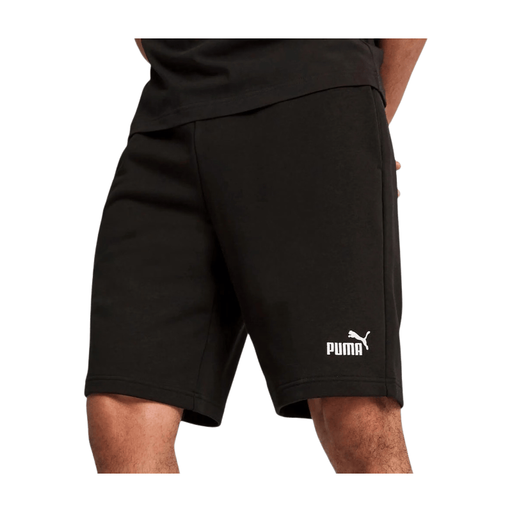
Why it suits this profile: This black style is designed for everyday wear, light training and relaxing. The knee-length cut and adjustable waistband make it an accessible choice if you are looking for one versatile pair of shorts.
The product information states that the shorts have an elasticated waistband with an internal drawstring, side pockets and a knee-length fit. This means you do not have to rely on appearance alone.
68% cotton and 32% polyester, side pockets, embroidered logo and at least 50% recycled materials according to the product description.
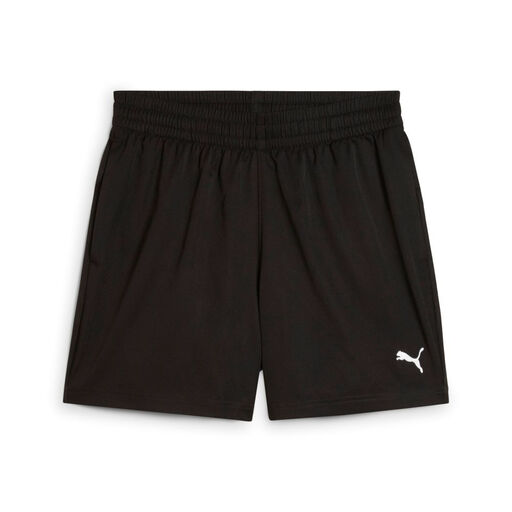
Why it suits this profile: This lightweight woven style is suitable for training, running and outdoor use. The short, above-the-knee length provides more freedom of movement than a classic knee-length style.
The product details specify the fabric composition, length, side pockets and care instructions. According to PUMA’s own information, dryCELL supports moisture transport; check for yourself whether this feature suits your intended use.
100% polyester, internal drawstring, medium rise and an above-the-knee length. The product description states that the shorts are made from 100% recycled materials, excluding trims and decoration.
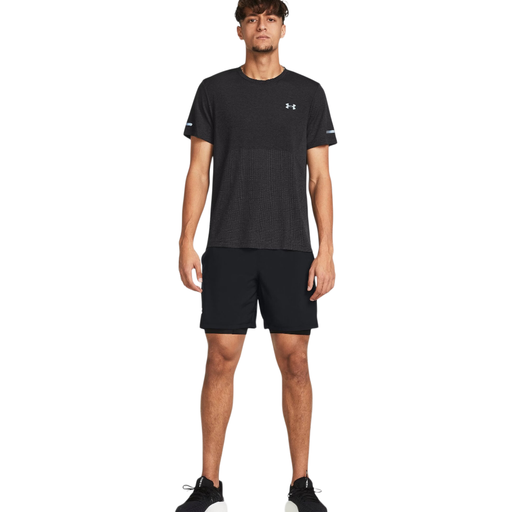
Why it suits this profile: The 2-in-1 construction is designed for running and intensive training. The outer layer has a looser fit, while the built-in inner shorts fit closely against the body.
The fit is described as fitted, and the size chart provides waist and hip measurements. This helps you avoid shorts that are too loose or an unexpectedly tight inner layer.
7-inch outer length, inner shorts made from 90% polyester and 10% elastane, a phone pocket on the right-hand side and reflective details according to the product information.
We have put together a complete, up-to-date list of products that fully meet these strict selection criteria and the applicable European safety regulations.
Choose lightweight shorts with enough room to move, an adjustable waistband and pockets that do not get in the way while you run. A 2-in-1 style may be worth considering if you want to combine a loose-fitting outer layer with close-fitting inner shorts. Also check the length, lining and care instructions.
They can be, particularly for light training and relaxed use. During intense sessions, cotton can hold on to moisture for longer. Polyester or a cotton-polyester blend may be more practical in that case. Always check the full composition rather than relying only on terms such as “breathable” or “comfortable”.
Measure your waist and, if provided, your hip measurement. Compare these measurements with the size chart for the specific brand. Also consider the fit: regular, loose, fitted and compression styles all fit differently. With compression shorts, sizing up may make more sense if you are between sizes or prefer a less restrictive fit.
