
Vandaag of morgen in huis

Kwaliteit gegarandeerd

Welkomstaanbiedingen ontgrendelen: GRATIS bezorging | Tot 80% korting | Gratis 30 dagen JoyPlus-proefperiode
Download de app
Buying a new pair of men’s shoes seems simple, until you have to choose between trainers, running shoes, walking shoes and casual styles. A soft sole does not automatically mean a shoe is suitable for long walks. Even a well-known brand says little about the fit of a particular model.
So focus mainly on the features you notice every day: fit, sole construction, material, grip and intended use. Below, you’ll find the key points to consider, along with some popular choices for men looking for comfort, sporting performance or a versatile black shoe.
Men’s trainers for everyday wear are often flexible and lightweight. This makes them practical for work, shopping and short walks. For running or long hikes, however, a casual sole may not provide enough cushioning, stability or grip.
Men’s running shoes are designed for a repeated movement pattern. They are not automatically suitable for muddy woodland paths or strength training. So first decide what you will use the shoes for most.
Adidas running shoes, Skechers men’s shoes and Puma trainers can vary considerably from one model to another. A black men’s trainer may look sturdy but still have a thin or slippery sole. Always check the product description, upper material, sole and stated fit.
Sizes can vary by brand, model and last shape. A shoe described as “true to size” may still feel different if you have a broad forefoot or high instep.
Ideally, measure your foot at the end of the day. Compare the measured length with the size chart for the specific product. Some adidas models are also available in half sizes, such as 44 2/3. This can help when a full EU size feels just too loose or too tight.
Your toes should be able to move without your foot sliding around inside the shoe. For walking and running shoes, leave a little room in front of your longest toe. A regular fit is a practical starting point for average-width feet, but check whether the model is also available in a wider or narrower version.
Also consider the fastening. Laces offer more ways to secure the instep and heel. A bungee-lace system or slip-on style is convenient for everyday wear, but usually offers less adjustability.
The midsole largely determines how the shoe feels. In the product specifications, you may come across EVA, IMEVA, Dreamstrike or Lightstrike Pro. These are different foam constructions which, according to the product description, are designed to provide flexibility, cushioning or energy return.
For short runs and everyday use, a softer, simpler midsole may be sufficient. For intensive training, a breathable upper, secure heel hold and a sole suited to the surface are more important than simply how soft the shoe feels when you try it on.
A rubber outsole generally offers practical grip on urban surfaces. For wet paths, loose ground or hilly terrain, look at the tread and the description of the sole. A flat gum-rubber sole, as found on some lifestyle models, is mainly intended for street use.
Textile and mesh usually provide good ventilation and are relatively lightweight. Leather or synthetic leather can offer more structure and protection, but requires different care. Always follow the cleaning instructions: many models should only be cleaned with a damp cloth and must not be put in the washing machine or tumble dryer.
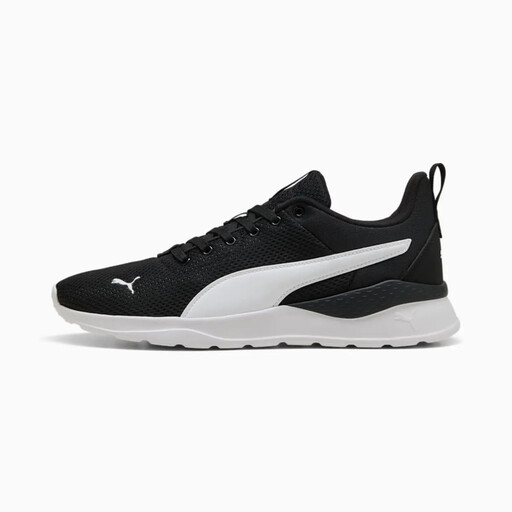
Why it suits this profile: This lightweight model is designed for everyday wear, gym visits and short journeys. The black colour is easy to pair with a casual outfit.
The product information specifies a mesh upper, EVA midsole and rubber outsole. This means you can assess your choice based on concrete features rather than appearance alone.
Textile upper, SoftFoam+ sockliner, EVA midsole and rubber outsole; according to the chart, sizes are available up to EU 48.5.
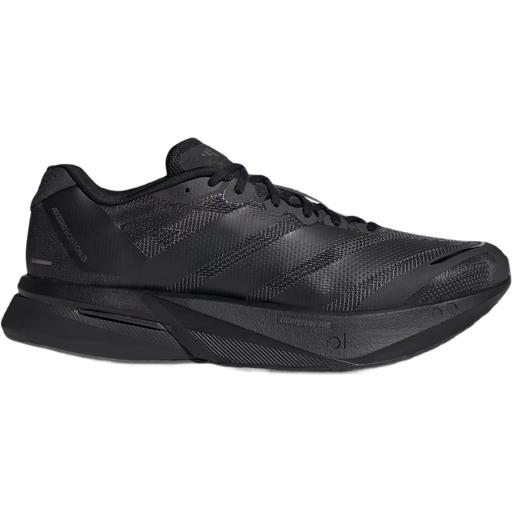
Why it suits this profile: According to the product description, this model is designed for intensive training and race preparation. It is suited to runners specifically looking for a running shoe.
The choice is clearly linked to running training rather than general everyday use. The description mentions a mesh upper, ENERGYRODS and a Lighttraxion outsole with Continental Rubber.
Textile upper, Lightstrike Pro midsole, ENERGYRODS and Continental Rubber; this example is EU 39 1/3, with a stated foot length of 246 mm.
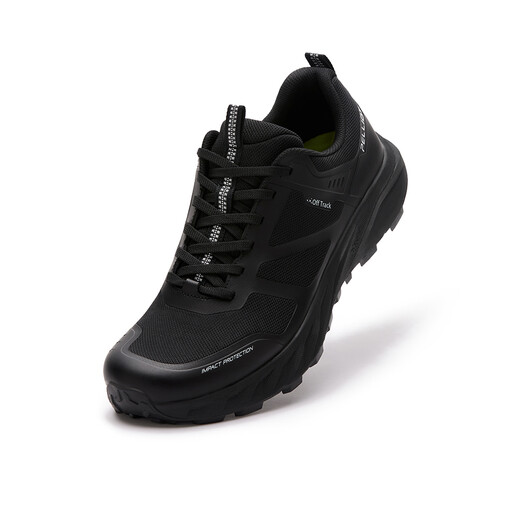
Why it suits this profile: This model is described as suitable for road-to-trail use and a range of terrains. It is relevant for users who combine running with walks on unpaved paths.
Instead of a flat casual sole, the product information specifies a ROCKYTEC rubber sole for grip and durability. Standard and narrow versions are also listed.
Breathable mesh and woven textile, flexible EVA midsole, ROCKYTEC outsole and sizes from EU 39 to 45 according to the stated chart.
We have put together a complete, up-to-date list of products that fully meet these strict selection criteria and the applicable European safety regulations.
Also check the available sizes. The range includes sizes from approximately EU 39 to 48, but exact availability varies by model and colour.
Their lifespan depends on use, surface, body weight, care and whether you alternate between different pairs. With running shoes, wear on the outsole and deformation of the midsole are practical signs that it is time to compare your options again. With casual shoes, wear usually appears first around the heel edge, toe or sole.
For short walks, they can often be a practical choice, particularly on asphalt. For long walks or uneven terrain, men’s walking shoes are generally the more logical option because of their tread and construction. Always check the use case described by the brand; a brand’s claim is no guarantee that the shoe is suitable for every type of terrain.
Remove loose dirt and use a soft brush or damp cloth with mild soap. Allow the shoes to dry at room temperature, away from direct heat. Machine washing is only advisable when the product information explicitly permits it. Store shoes in a dry place and, where possible, alternate them with a second pair to reduce moisture and wear.
