
Vandaag of morgen in huis

Kwaliteit gegarandeerd

Welkomstaanbiedingen ontgrendelen: GRATIS bezorging | Tot 80% korting | Gratis 30 dagen JoyPlus-proefperiode
Download de app
A pair of men’s shoes may look appealing online, but that doesn’t mean it’s right for your daily commute, work or walks. A low price can still get you a good basic shoe, while a well-known brand won’t automatically suit every foot or activity. Focus on features you can check: the material, sole, fit and intended use.
A memory foam insole may feel comfortable when you first put the shoes on. That doesn’t mean the shoe will offer enough room or support for every foot. Check whether the insole is removable, how wide the shoe is and whether your toes can move freely. If the insole isn’t removable, it may be harder to use your own insole later.
Mesh and perforations generally help with ventilation, but they won’t keep rain out on their own. Conversely, a waterproof lining may feel warmer in dry weather. If you’re looking for waterproof walking boots for men, check whether the product mentions a specific membrane and what the footwear is designed for.
A brand’s claim isn’t a universal guarantee, either. According to Salomon’s product description, the XA Pro 3D v9 GTX features a GORE-TEX membrane. How well it protects you also depends on wear and tear, care, the height of the shoe and the conditions.
An EU size won’t always have the same length or volume across different models. Check the size guide, foot length in centimetres and stated fit. Measure both feet at the end of the day and use the larger foot as your guide. Walking boots need extra room for your toes, especially if you wear thicker socks or walk downhill.
A regular fit, such as that offered by various Skechers models in size 46, may suit an average foot. But this is a product specification, not a guarantee that the shoe will suit everyone. Look for:
With comfortable men’s shoes, fit, weight and cushioning matter more than simply feeling soft when you try them on.
For everyday wear, a rubber outsole with a moderate tread is often enough. For woodland paths, wet clay and rocky ground, look for pronounced lugs and rubber designed to provide good grip. Men’s walking boots and men’s hiking shoes are often stiffer and offer more protection than ordinary men’s trainers.
Don’t automatically use a trail shoe as a work shoe or a running shoe on tarmac. A tread designed for loose surfaces may feel less comfortable on smooth floors and wear down more quickly.
Synthetic leather is generally easy to wipe clean. Textile and mesh can be lighter and more breathable, but need more care in rain and muddy conditions. A membrane can help protect against moisture, but you’ll still need to look after your footwear. Always follow the manufacturer’s washing and care instructions.
For men’s sports shoes for everyday wear, mesh inserts, a rubber sole and a lightweight design are practical features. For wet walks, a closed construction, protective toe cap and water-repellent or waterproof layer are more relevant.
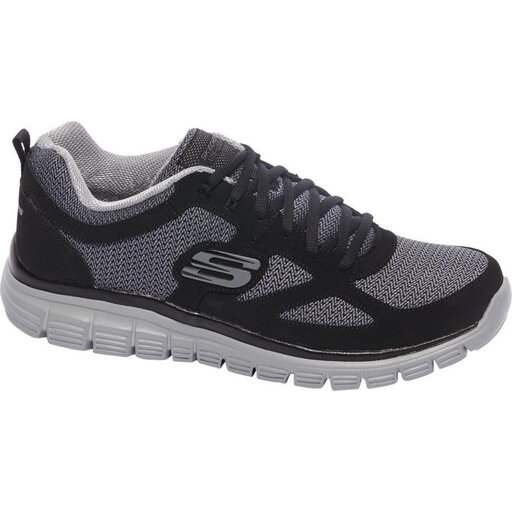
Why it suits this profile: A low-cut style for everyday wear, commuting and light training. The product description lists a regular fit, a non-removable Memory Foam insole and mesh for ventilation.
The sizing information specifies a regular fit and recommends choosing your usual size. Check beforehand, though, that a non-removable insole suits your needs.
Synthetic leather upper, rubber sole, lace-up fastening and a heel loop for easier pull-on.
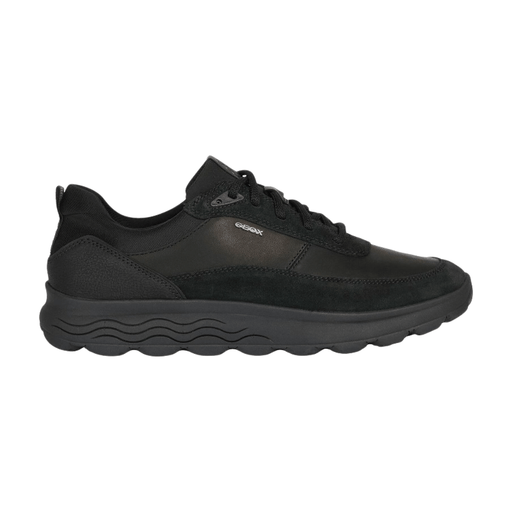
Why it suits this profile: Designed for everyday wear, combining leather and textile with a smart look. The product description says the model has a removable insole and a Zero Shock System in the sole.
The removable insole makes it easier to customise the fit. The materials are clearly listed, including leather, textile and synthetic material.
Leather and suede upper, removable insole and a sole that, according to the product description, helps distribute pressure evenly.

Why it suits this profile: Designed for trail running and hiking over varied terrain. The product information lists a GORE-TEX membrane, 3D Advanced Chassis, Contagrip sole and Quicklace fastening.
Its intended use and technical features are clearly stated. That helps distinguish it from ordinary men’s trainers designed for the city.
GORE-TEX according to the product description, a Contagrip rubber outsole with a pronounced tread and an easily adjustable Quicklace fastening.
We’ve put together a complete, up-to-date list of products that meet these strict selection criteria and the applicable European safety regulations.
Place your foot on a sheet of paper, mark your heel and longest toe, then measure the distance in centimetres. Repeat for both feet. Compare the larger measurement with the model’s size guide. Also check the stated width and fit; the same EU size can fit differently from one shoe to another.
Their lifespan depends on how often you wear them, your body weight, the surface, the materials and how well you care for them. Everyday trainers wear out more quickly if you also use them for long walks. Alternating between two pairs, letting shoes dry at room temperature and cleaning them properly can help prevent unnecessary wear.
They can be, but they aren’t always practical. A waterproof shoe is often less breathable than a lightweight mesh style and may feel stiffer. For commuting and dry weather, men’s trainers are often an easier choice. For rain, mud and walking routes with wet grass, walking boots with a stated waterproof construction make more sense.
