
Vandaag of morgen in huis

Kwaliteit gegarandeerd

Welkomstaanbiedingen ontgrendelen: GRATIS bezorging | Tot 80% korting | Gratis 30 dagen JoyPlus-proefperiode
Download de app
Buying a new pair of men’s shoes seems simple, until you find after a few weeks that the fit isn’t right, the sole offers little grip or the material isn’t suitable for rainy weather. Marketing terms such as “all-weather”, “extra comfort” and “outdoor” don’t tell you much on their own. Instead, focus on features you can check: materials, fastening, sole tread, sizing and what the shoes are designed for.
A low-top trainer may be stylish for everyday wear, but it isn’t automatically suitable for long walks, muddy paths or trail running. Men’s trainers with a flat rubber sole generally offer a different kind of grip from men’s sports shoes or walking shoes with a pronounced tread.
First, think about where you’ll wear the shoes most often:
A waterproof walking shoe can protect you from rain or wet grass, but that doesn’t mean it’s suitable for walking through deep water for long periods. Check which membrane or material is actually specified, and follow the care instructions.
For example, the product description for the Salomon XA Pro 3D v9 GTX mentions a GORE-TEX membrane. PELLIOT describes a waterproof, breathable membrane. These are specifications from the relevant product information; they don’t guarantee dry feet in all conditions.
Sizing can vary between brands, models and lasts. A pair that fits well in men’s trainers in size 44 may feel different in a sturdy walking shoe. If possible, measure your feet at the end of the day and compare the length with the size chart.
Also bear in mind:
A rubber sole isn’t automatically suitable for every type of terrain. For everyday wear, a relatively flat tread is practical and easy to clean. For walking or trail running, deeper tread grooves are more useful on loose earth, wet leaves and gravel. A sturdy outsole can, however, be heavier and less flexible.
According to its product description, the Salomon XA Pro 3D v9 GTX has a Contagrip rubber outsole and a 3D Advanced Chassis. These features are suited to trail running and walking on technical terrain. Don’t choose the shoe based on its name or brand alone; always check the latest product specifications.
Synthetic leather is generally easy to wipe clean and keeps a smart appearance. Textile and mesh can be lighter and more breathable, but need extra care in the rain. A textile lining can affect comfort, while a membrane changes the properties of an outdoor shoe.
For everyday wear, styles such as Skechers men’s shoes with mesh, textile or synthetic overlays can be practical. Be sure to check the care instructions: according to the product information, some models can be machine-washed, while others should only be cleaned with a damp cloth.
Laces allow you to adjust the fit precisely. Slip-ons and elastic laces are quicker to put on, but may offer less room for adjustment. For walking and intensive use, a secure fastening that’s easy to adjust is important.
The Skechers Bobs B Flex - Arctic Edge 118110-BBK has a slip-on design. The Skechers Escape Plan 51591 BBK has laces and, according to its product description, a regular fit, rubber outsole and water-repellent material. This clearly shows the difference between the two models: convenience versus a more personalised fit.
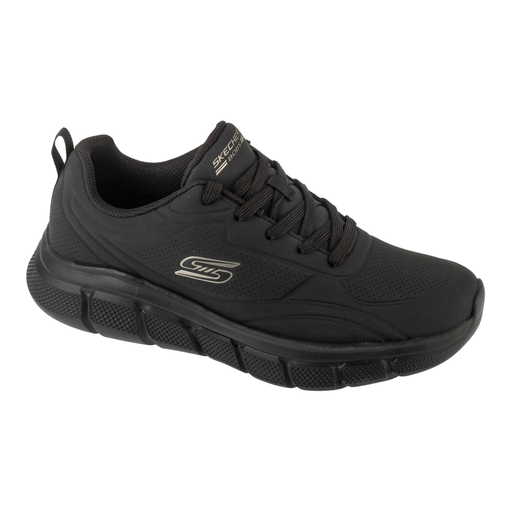
Why it suits this type of wearer: A low-cut style for everyday wear, with a slip-on fastening and synthetic materials. Handy for shopping, commuting and casual outfits.
The product information clearly lists the materials, lining and fit. This makes it easier to distinguish the style from a dedicated walking or sports shoe.
Slip-on design, textile lining, synthetic sole and a stated heel height of 3,5 cm.

Why it suits this type of wearer: Designed for buyers looking for one technical shoe for trail running and walking, with a focus on stability, grip and protection in changeable weather.
Rather than relying on general outdoor claims, the product description specifies the GORE-TEX membrane, 3D Advanced Chassis, Contagrip sole and Quicklace system.
Waterproof membrane specified, technical stability construction, rubber outsole and quick lacing system.
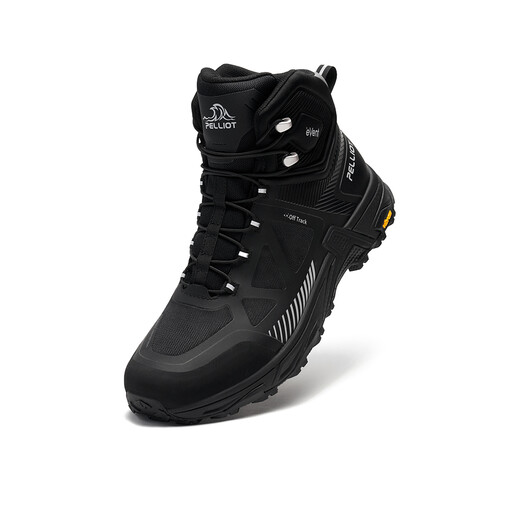
Why it suits this type of wearer: Designed for walking, camping and tougher terrain, where toe protection, tread and a sturdy construction matter more than a low-top trainer design.
The product information lists a protective toe cap, abrasion-resistant upper, waterproof membrane and treaded sole. Measure your feet and follow the size chart provided.
High-traction rubber sole, adjustable quick-lacing system and sizes listed from EU 39 to EU 45.
We’ve put together a complete, up-to-date list of products that meet these strict selection criteria and the applicable European safety regulations.
For everyday wear, low-top trainers with a regular fit, flexible sole and comfortable lining are often a practical choice. Skechers styles with memory foam insoles, mesh or textile are examples where these features are mentioned in the product information. Always check that the sole offers enough grip for your workplace and daily route.
Lifespan depends on how far you walk, the surface, your body weight, care and how you use the shoes. A casual trainer worn mainly indoors and on pavements will be subject to different wear from a walking shoe used on gravel or mud. Replace your shoes when the sole becomes visibly smooth, the heel wears unevenly, or the upper and fastening stop doing their job.
Remove dirt with a soft brush or damp cloth, then leave the shoes to dry at room temperature, away from direct heat. Don’t machine-wash waterproof styles unless the product page explicitly says you can. Follow the manufacturer’s specific instructions; for example, the PELLIOT walking shoe’s care information recommends cleaning with a damp cloth and mild soap.
