
Vandaag of morgen in huis

Kwaliteit gegarandeerd

Welkomstaanbiedingen ontgrendelen: GRATIS bezorging | Tot 80% korting | Gratis 30 dagen JoyPlus-proefperiode
Download de app
A pair of men’s shoes can look great online and still disappoint once you start cycling, walking or wearing them for a full day at work. Three common pitfalls are worth watching out for:
So start by thinking about what you’ll use the shoes for, then consider the brand, colour and price. This helps you avoid using a pair of men’s trainers for activities they weren’t designed for.
For everyday wear and light fitness, a rubber outsole with a reasonably deep tread is often enough. If you run regularly, look for a sole designed for roads or paved paths. When choosing men’s sports shoes, check whether the product description specifies road, indoor or general use.
For walking and trail running, grip matters more. Look for:
The Salomon XA Pro 3D v9 GTX, for example, is described in the product information as a trail-running and walking shoe. The description lists a GORE-TEX membrane, a 3D Advanced Chassis and a Contagrip rubber outsole. These are verifiable product specifications, but they don’t guarantee that every wearer will have the same experience.
Cushioning mainly affects how the shoe feels when it makes contact with the ground. Stability is about how well the shoe holds your foot as you move. These aren’t the same thing.
When choosing men’s running shoes, look for:
According to its product description, the adidas Supernova Ease M has a full-length Dreamstrike midsole, a breathable mesh upper and rubber lugs on the outsole. The model is designed for short to middle-distance runs. For a beginner, this may matter more than a striking colour scheme or a general claim about speed.
Textile and mesh can feel more breathable, while synthetic materials or leather may be easier to clean. A water-repellent or waterproof membrane can be useful in the rain, but it doesn’t automatically make a shoe suitable for every type of terrain.
Check the care instructions too. According to the product information, some models are machine washable, while others should only be cleaned with a damp cloth. Washing them incorrectly can damage the glue, shape or lining.
When choosing a size:
A model that’s true to size may not fit exactly the same as one from another brand. This also applies to Skechers men’s shoes, adidas running shoes and Salomon walking shoes.
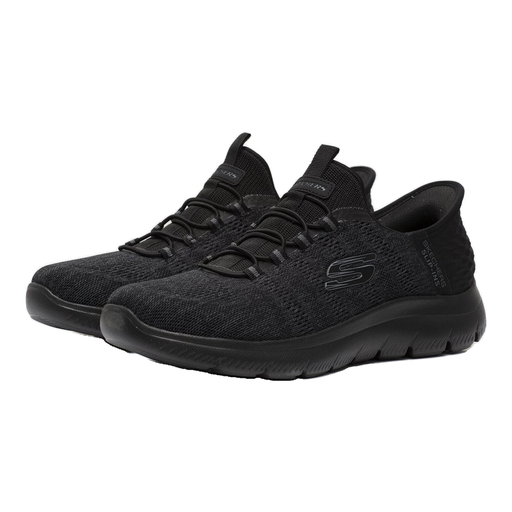
Why it suits this type of wearer: This model is designed for everyday use and has a textile upper, a fixed insole and a round toe. The slip-on design can be handy if you want to put your shoes on quickly.
The product information lists a treaded rubber outsole and a true-to-size fit. Check that a fixed insole suits your foot and how you plan to use the shoes.
Air-Cooled Memory Foam insole, textile upper and machine washable according to the product information.

Why it suits this type of wearer: This model is designed for walking and trail running. Its stated construction makes it a good fit for people who regularly walk on unpaved, wet or uneven paths.
The product description lists specific features for wet conditions, stability and grip. Don’t choose this shoe for long road runs based on its appearance alone.
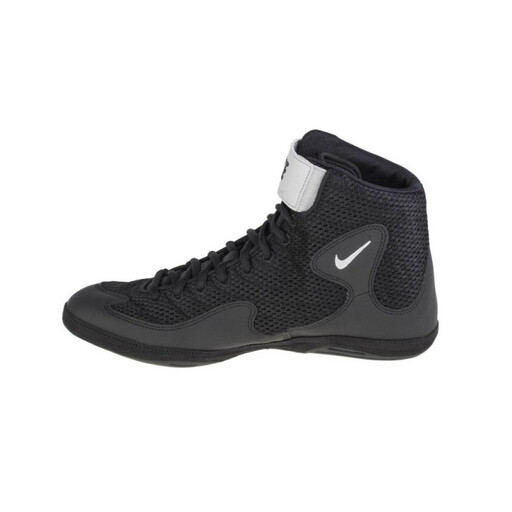
Why it suits this type of wearer: According to the product information, this shoe is designed for wrestling and training on the mat. It’s suited to a specific sporting purpose, not everyday walking.
The product description explicitly states that it’s for use on wrestling mats and advises against rough terrain. That makes its intended use clear.
Mesh for ventilation, laces with an ankle strap and a rubber outsole according to the product specifications.
We’ve put together a complete, up-to-date list of products that meet these strict selection criteria and current European safety regulations.
It depends on the material, how often you wear them, your walking style and the surface. Everyday trainers can wear out faster if you also use them for running. Check the soles for smooth patches, cracks and uneven wear. With sports shoes, it’s a good idea to replace them when the cushioning or grip has noticeably deteriorated.
No. Comfort mainly depends on the fit, the right size, the sole and what you’ll use the shoes for. A technical model may feel unnecessarily stiff for everyday wear, while a basic casual shoe may not offer enough grip on trails. Compare practical features rather than looking only at the price or brand name.
Always follow the manufacturer’s care instructions. Remove dirt with a soft brush or damp cloth, let shoes dry at room temperature and avoid direct heat. Only machine wash a model if the product information explicitly says it’s suitable. Store shoes somewhere dry and, where possible, alternate between pairs to give the material time to air.
