
Vandaag of morgen in huis

Kwaliteit gegarandeerd

Welkomstaanbiedingen ontgrendelen: GRATIS bezorging | Tot 80% korting | Gratis 30 dagen JoyPlus-proefperiode
Download de app
A new pair of men’s shoes may seem easy to find, but marketing terms do not always tell you enough about everyday comfort. A soft sole may feel pleasant in the shop, but unsuitable width, limited grip or an inappropriate construction often only become apparent after extended wear. This can lead to returns, sore feet and a second purchase.
With this practical guide, you can focus on properties that are easy to assess: fit, materials, cushioning, grip and intended use. This allows you to compare men’s trainers, men’s sports shoes and men’s walking shoes based on function rather than just brand or appearance.
A shoe with Memory Foam or another soft insole may feel comfortable straight away. That does not automatically mean it provides enough support when walking, running or standing for long periods. So check the width, heel fit and midsole too. A fixed insole cannot always be replaced.
Casual men’s trainers may be suitable for commuting and light exercise, but they are not automatically suitable as men’s running shoes. For running, cushioning, fit and an outsole suited to the surface are important. For trail running or hilly terrain, you need more grip and stability.
The Nike Inflict 3, for example, was developed for wrestling and use on wrestling mats. According to the product information, this model is not intended for outdoor sports or rough terrain. So a well-known brand alone does not make a shoe suitable for every use.
An EU size is a starting point, not a guarantee of a good fit. Also consider the shoe width, the shape of the toe box and the type of socks you wear. If you have wide feet, look for shoes with a wide toe box. The product information for the LI-NING Yueying 6 states that it has more generous toe room; according to that information, anyone wanting extra space could consider going up half a size.
Check whether a model comes up as regular, narrow or wide. Some product details, for example, use width D, which indicates a regular width on many models. A good fit keeps your heel in place without putting pressure on your toes.
When trying shoes on, look for:
Slip-on shoes can be convenient for everyday use, but generally offer less individual adjustment than a lace-up model.
The midsole largely determines how a shoe feels. According to the product descriptions, adidas uses a full Dreamstrike midsole in the Supernova Ease and a Cloudfoam midsole in the Galaxy 7. This information tells you something about the construction, but not whether every wearer will have the same experience.
For everyday use, soft, flexible shoes such as some Skechers models are practical. According to the product details, the Track-Ripkent has a fixed Memory Foam insole, a rubber outsole and a textile upper. The Skechers Dynamight is also listed as having air-cooled memory foam, combined with a rubber sole.
For running, softness alone is not enough. Look at:
A rubber outsole can provide grip and durability, but the tread also helps determine how suitable the shoe is for tarmac, woodland ground or wet paths. Men’s trail running shoes usually have a more pronounced tread than standard sports shoes.
For walks on hilly terrain, models such as the Skechers Selmen - Melano are worth considering. This model has a leather upper, a rubber lugged sole and a mid-height design. The Salomon XA Pro 3D v9 GTX lists a GORE-TEX membrane and a Contagrip rubber sole. According to the product information, the construction is intended to protect against wet weather and provide grip on different surfaces. Always check the care instructions and product conditions before use.
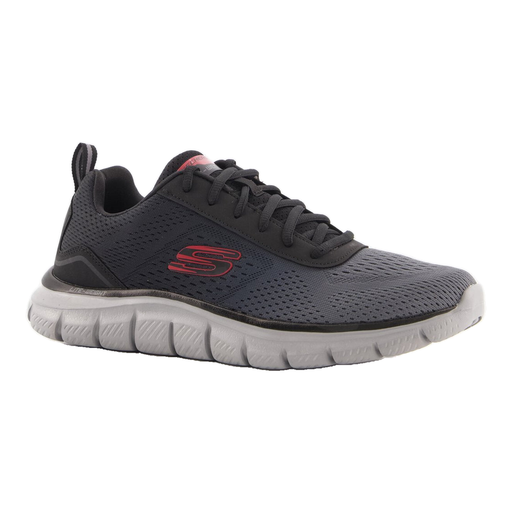
Why it suits this profile: A versatile choice for everyday use, light training and casual outfits. The regular fit and lace fastening make it easy to adjust.
The product information specifies the materials, fixed insole, regular fit and rubber sole. This means you do not have to rely on the word ‘comfort’ alone.
Textile upper, Memory Foam insole, rubber outsole and pull tabs. According to the product details, the model comes up as a regular fit.
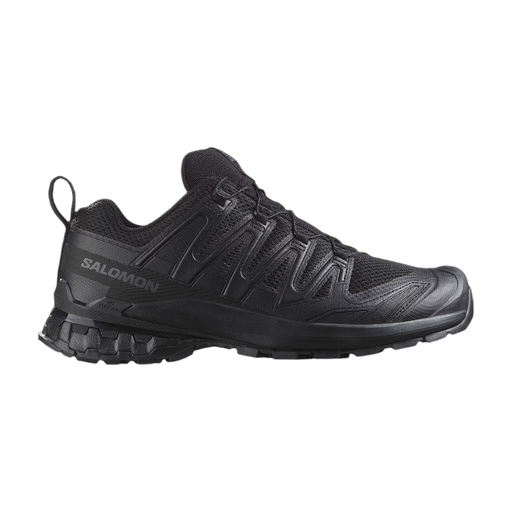
Why it suits this profile: Designed for walkers and trail runners who value stability, protection and grip on technical or changing trails.
The model is clearly described as a trail running and walking shoe rather than a general trainer. The sole and stability system match this intended use.
GORE-TEX membrane according to the product description, 3D Advanced Chassis, Quicklace system and Contagrip rubber outsole.
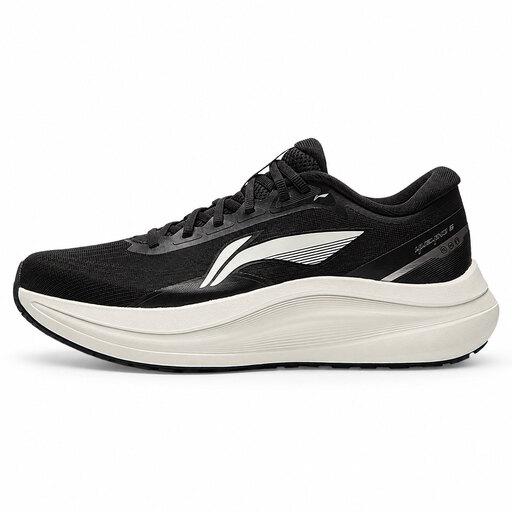
Why it suits this profile: For runners looking for a less restrictive forefoot or who prefer extra toe room during outdoor activities.
The product information explicitly mentions a wide toe box and provides sizing advice for wider feet. However, always check your own foot length and the amount of room you want.
Full-length Tempo Bounce midsole, rubber outsole, PROBAR LOC support and a wider toe box according to the product description.
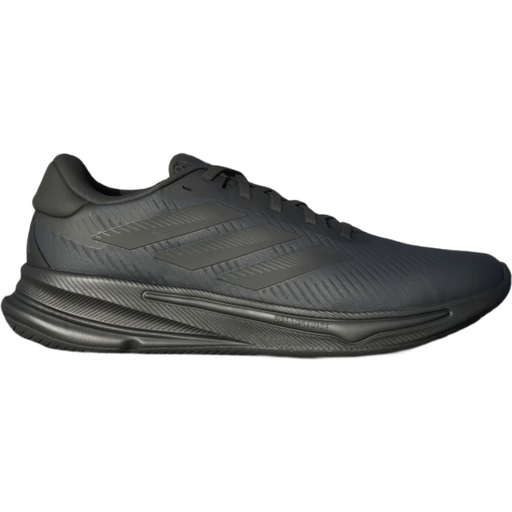
Why it suits this profile: For beginner and regular runners looking for a running shoe for short to medium distances.
The shoe is specifically described as a daily running shoe. This makes its intended use clearer than that of a general sports shoe.
Breathable mesh upper, regular fit, lace fastening, Dreamstrike midsole and rubber studs according to the product details.
We have put together a complete, up-to-date list of products that fully meet these strict selection criteria and the applicable European safety regulations.
Measure your feet at the end of the day, when they often take up slightly more room. Measure both feet and base your choice on the larger foot. Compare the result with the size chart for the specific model. adidas sometimes lists EU, UK and US sizes alongside foot length; this can help you interpret a brand’s sizing more accurately.
Use shoes for the activities they were designed for. A trail model worn on tarmac may wear out more quickly, while a lightweight casual trainer may not provide enough grip on muddy paths. Allow wet shoes to air-dry naturally and avoid direct heat. Follow the care instructions: some models may be cleaned with a damp cloth and should not be put in the washing machine.
For everyday use, men’s trainers with a regular fit, flexible rubber sole and breathable upper are often practical. A fixed Memory Foam insole may feel particularly soft, but check that the fit and support suit your feet.
Their lifespan depends on running distance, body weight, the surface, storage and care. Look for uneven wear on the sole, reduced cushioning, cracks in the upper or a heel that no longer fits securely. With running shoes, appearance is not the only factor: a noticeable change in how they feel when running may be a reason to replace them.
Not always. For wet walks, muddy paths and changeable weather, a model with a membrane such as the one listed in the product information for the Salomon XA Pro 3D v9 GTX may be worth considering. For dry walks in town, a lighter, more breathable upper may feel more comfortable. Choose based on the route, season and expected rainfall.
