
Vandaag of morgen in huis

Kwaliteit gegarandeerd

Welkomstaanbiedingen ontgrendelen: GRATIS bezorging | Tot 80% korting | Gratis 30 dagen JoyPlus-proefperiode
Download de app
A pair of men’s shoes can look convincing online yet disappoint as soon as you wear them through Dutch rain, over cobbles or during a long day at work. This is particularly true of men’s trainers and sporty shoes, where features are sometimes described broadly while important details about fit, sole and materials are less clear.
So watch out for these common pitfalls:
Don’t just look at the EU size. Also check the stated foot length in centimetres or millimetres and compare it with your own measurement. Measure both feet at the end of the day, wearing the socks you usually wear. Use the larger foot as your reference.
Also pay attention to:
For example, a product page may state a specific size and foot length. According to the product information, the adidas Run 70s 2.0 in size 40 is linked to a foot length of 25.5 cm. Always check the size chart for the exact model you have chosen.
The upper largely determines how the shoe feels and what it is suitable for.
“Breathable” and “waterproof” are not synonyms. Choose an airy model for warm days and a model with extra protection for rainy walks.
The midsole affects how the shoe feels as you walk. Brands use materials such as EVA, IMEVA, Cloudfoam and Energy Foam for cushioning or a lightweight feel. Treat these descriptions as the brand’s product information and focus mainly on how the overall combination suits your intended use.
The outsole determines grip:
A pair of Salomon trail shoes or Joma TR-6000 is therefore not automatically the right choice for road training. Conversely, a retro trainer such as the New Balance 574 or adidas Run 70s may be less suitable for long runs on off-road terrain.
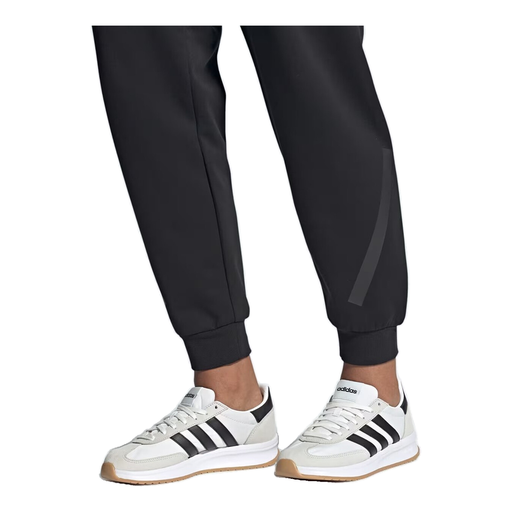
Why it suits this profile: The retro style works well with jeans and casual clothing, while the textile upper, flexible rubber outsole and stated foot length of 25.5 cm provide clear purchasing information.
The size chart and material information make it easier to distinguish appearance, fit and suitability for everyday use.
Synthetic leather and textile; lightweight, flexible rubber outsole; suitable for casual everyday wear.
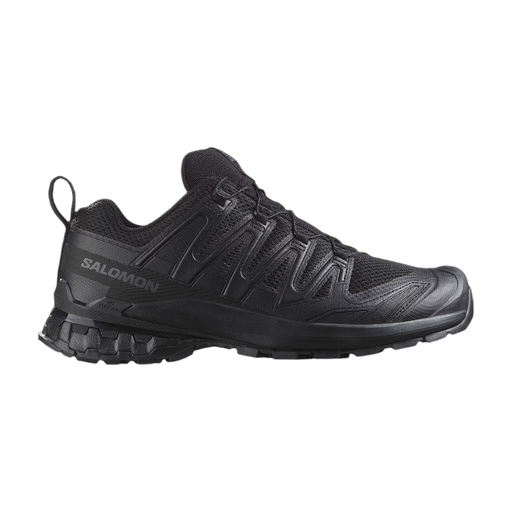
Why it suits this profile: For walkers and trail runners who regularly encounter wet, uneven paths, the stated GORE-TEX lining, 3D Advanced Chassis, Quicklace and Contagrip sole are relevant specifications.
The product details list wet-weather protection and grip separately. This prevents you from relying solely on a marketing term such as “all-terrain”.
GORE-TEX according to the product description; Quicklace system; Contagrip outsole; reinforced toe and heel.
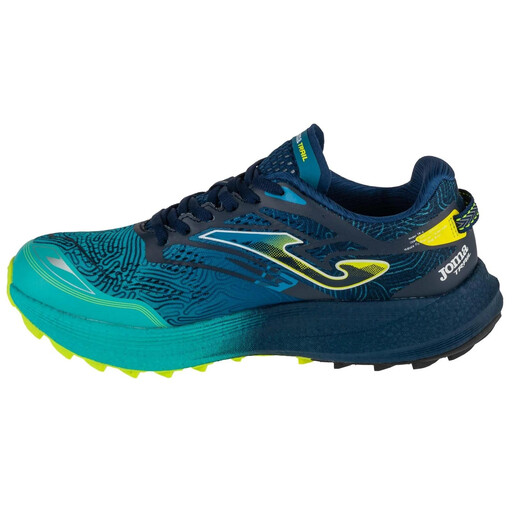
Why it suits this profile: According to the product description, this model is designed for trail running, with mesh, an EVA midsole, a high-grip sole and reinforcements at the toe and heel.
The reinforced sections and tread are more specific than simply describing the shoe as sporty. However, check that size 44 and the regular fit suit your feet.
Breathable mesh; EVA midsole; high-grip rubber sole; reinforced toe and heel.
We’ve put together a complete, up-to-date list of products that fully meet these strict selection criteria and the applicable European safety regulations.
Proper care extends their useful life. Remove dirt with a damp cloth, allow shoes to dry naturally and do not use a heat source. Always follow the care label: some models must not be put in the washing machine and have a non-removable insole.
This depends on use, terrain, body weight, materials and care. A pair for everyday use wears differently from running shoes or walking shoes. Regularly check the tread, cracks in the sole and any deformation of the heel. With intensive use, alternating between two pairs can help the materials recover between wears.
Not as a rule. Measure your foot first and check the size chart for the model you have chosen. For running, a little extra room around the toes is often comfortable, but a shoe that is too large may slip. Ideally, try shoes on with running socks and check that the heel remains secure.
Leather can cope with light showers when properly maintained, but it is not automatically waterproof. A textile model may absorb moisture more quickly, while a shoe with a waterproof membrane is specifically designed for wet conditions. Check the product description and only apply waterproofing treatment if permitted by the care instructions.
