
Vandaag of morgen in huis

Kwaliteit gegarandeerd

Welkomstaanbiedingen ontgrendelen: GRATIS bezorging | Tot 80% korting | Gratis 30 dagen JoyPlus-proefperiode
Download de app
Buying a new pair of men's shoes seems simple — until you cycle through the rain, go for a long walk or find that the sole no longer provides enough support after a few weeks. Marketing terms such as “comfortable”, “breathable” and “waterproof” don’t tell you much on their own. It’s the construction, sizing and intended use that determine whether a shoe is right for you.
A lightweight trainer can be comfortable for everyday wear, but that doesn’t mean it’s suitable for muddy paths or long hikes in the hills. Men's trail running shoes, walking boots and casual trainers each have a different sole construction and fit.
A mesh upper can help with ventilation, but it tells you nothing about grip or water resistance. Conversely, a waterproof membrane can make a shoe feel less breathable than one with an open textile construction. So always check the combination of upper, lining, midsole and outsole.
The same EU size can fit differently depending on the brand or style. Measure both feet at the end of the day and compare the longer foot with the size chart. Check the width too. If you’re between sizes, sturdy walking boots may need extra room for thicker socks and your feet to move.
Look for specific information such as “regular fit”, shoe width and foot length in millimetres. Some styles have a fixed, non-removable insole. This matters if you want to use your own insoles.
Available sizes include men's shoes in size 42, men's shoes in size 43, men's shoes in size 44 and men's shoes in size 46. Always check the individual product page rather than relying on the size number alone.
A flexible rubber sole can feel comfortable for everyday wear. On wet or loose surfaces, a well-defined tread is more important. Look for:
A treaded sole doesn’t guarantee grip on every surface. Wet rock, mud and slippery tiles all call for different features.
Mesh inserts and textile can help with airflow. For walks in the rain, waterproof men's walking boots with a waterproof membrane are more practical. Bear in mind, though, that waterproofing doesn’t automatically extend to the boot shaft, laces or opening. And don’t assume that a waterproof shoe will always feel more comfortable in warm weather.
The Salomon XA Pro 3D v9 GTX features a GORE-TEX membrane in its product specifications. The PELLIOT walking boots are described as waterproof in the product information. These details reflect the stated product specifications; your experience will also depend on use, care and conditions.
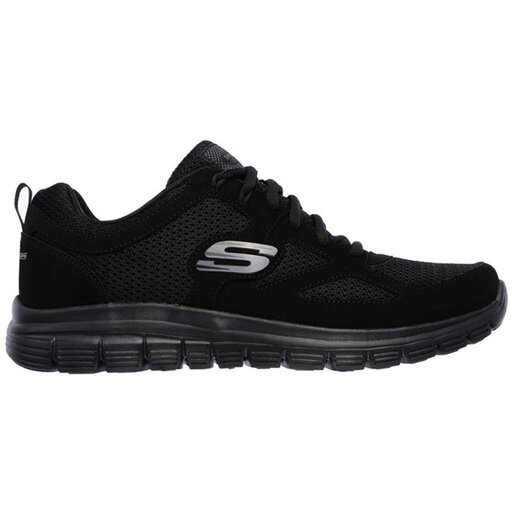
Why it suits this profile: A versatile choice for everyday wear, light training and casual outfits. The stated regular fit makes it easier to compare if you usually wear size 42.5.
The product information lists a Memory Foam textile insole, mesh and a rubber sole. That means the key comfort and material details are available upfront.
Synthetic leather upper, mesh for ventilation, lace-up fastening and a non-removable Memory Foam insole.
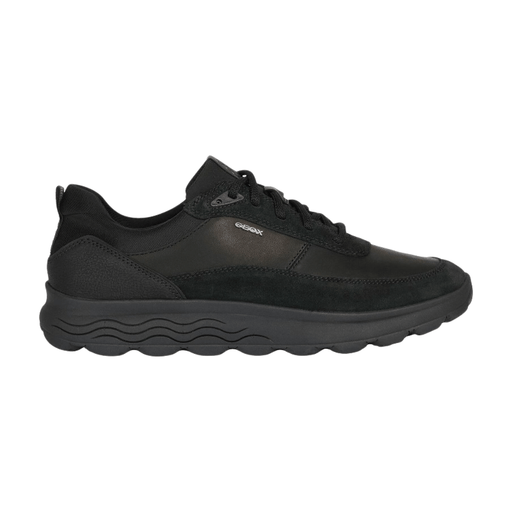
Why it suits this profile: For anyone looking for black men's shoes that work with both smart and casual outfits, and who wants clear information about the materials.
The description lists the materials used for the upper, lining, insole and outsole. It also states that the insole is removable.
Nappa leather and suede upper, removable insole and a sole featuring Geox's Zero Shock System.
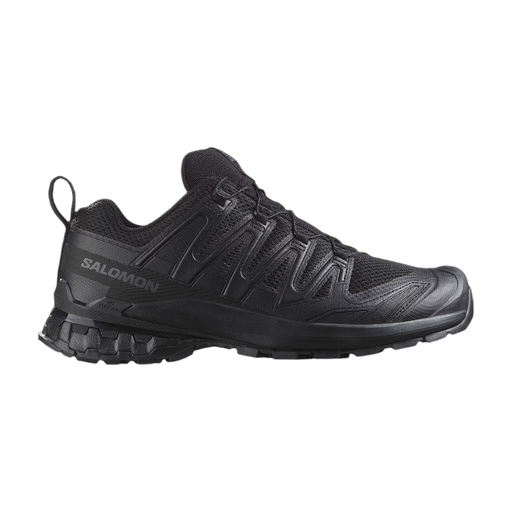
Why it suits this profile: Designed for trail running, walking and wet conditions, where stability, quick adjustment and good tread matter.
The product specifications list the GORE-TEX membrane, 3D Advanced Chassis construction, Contagrip outsole and Quicklace system separately.
GORE-TEX membrane, rubber Contagrip sole, Quicklace fastening and reinforcement at the toe and heel.
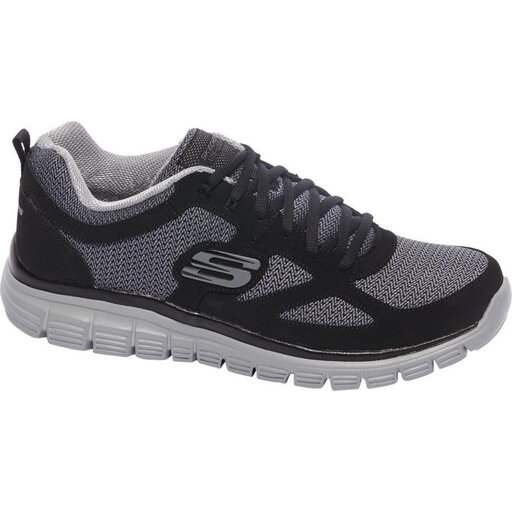
Why it suits this profile: A casual trainer for men looking for a wider size range and a lightweight shoe for work, running errands or everyday activities.
The product page lists a regular fit, size 46, mesh inserts and a flexible rubber outsole. This makes it easier to check that the shoe is right for you than relying on the word “comfort” alone.
Synthetic leather and mesh upper, Memory Foam insole, heel loop and flexible rubber sole.
We've put together a complete, up-to-date list of products that meet these strict selection criteria and the applicable European safety regulations.
Measure both feet on a sheet of paper, preferably at the end of the day. Note the length of your longer foot and compare it with the size chart for the style. Also check the stated fit and width. Walking boots may need extra room for socks and when walking downhill.
It depends on how often you wear them, the surfaces you walk on, your body weight, how well you care for them and the materials they're made from. Check the soles, seams and heels regularly for signs of wear. A trainer worn every day and a shoe used for demanding hikes won’t wear out in the same way. Leave wet shoes to air-dry naturally and avoid direct heat.
Not always. A waterproof membrane is useful in the rain, on wet grass and in mud, but a casual mesh trainer may feel more breathable in dry, warm weather. Choose according to how you’ll use them: men's outdoor shoes for terrain and wet weather, or a lighter trainer for the city and everyday wear.
