
Vandaag of morgen in huis

Kwaliteit gegarandeerd

Welkomstaanbiedingen ontgrendelen: GRATIS bezorging | Tot 80% korting | Gratis 30 dagen JoyPlus-proefperiode
Download de app
Buying a new shirt may seem straightforward, but you often only notice the wrong choice after a few washes or during a busy day. A collar that is too tight, fabric that creases easily or a sports shirt that does not allow enough freedom of movement can make a purchase less useful than expected.
When choosing men’s shirts and T-shirts, these are some of the most common pitfalls:
The fit determines how a shirt sits and how versatile it is. A slim-fit men’s shirt fits more closely around the chest and waist. This can look smart, but offers less room if you are between sizes. A regular fit generally provides more freedom of movement and is practical for everyday wear or layering.
When choosing a men’s shirt, pay attention to:
A stretch shirt containing a few per cent elastane may feel more flexible. However, that does not automatically make it roomier. The original cut remains the deciding factor.
A cotton shirt often feels soft and is suitable for the office, leisurewear and occasions where a classic look is preferred. Cotton can crease more easily, however, and may require more ironing.
Polyester is widely used in a men’s sports shirt, as it is lightweight and holds on to moisture for less time than many heavier natural fabrics. Always check the exact composition: the product information for the Nike Dri-FIT Park 20 Tee lists both 100% polyester and a composition of 57% cotton and 43% polyester. Therefore, check the care label and final product specifications before buying.
A cotton-polyester blend can be a practical compromise for everyday wear. Elastane provides stretch, but the percentage alone does not determine comfort. The knit, fabric weight and cut also affect freedom of movement.
For football, tennis or training, lightweight fabric, sufficient room around the shoulders and a comfortable neckline are more important than colour alone. A men’s tennis shirt often has a sporty cut and stretch fabric. A men’s football shirt is usually designed for freedom of movement and more intensive use.
For work or casual occasions, colour, collar style and resistance to creasing are key considerations. A men’s black shirt is easy to combine with other items, but dark fabrics can fade more quickly if washed at too high a temperature or dried for extended periods in direct sunlight.
Always check:

Why it suits this profile: This T-shirt has a crew neck, short sleeves and a regular fit. That makes it suitable for football, casual outfits and everyday wear.
The product information specifies the fit, size L, short sleeves and machine-wash care. However, check the label because the material information is contradictory.
Regular fit, crew neck and dark grey colour; according to the product page, intended for football and casual wear.
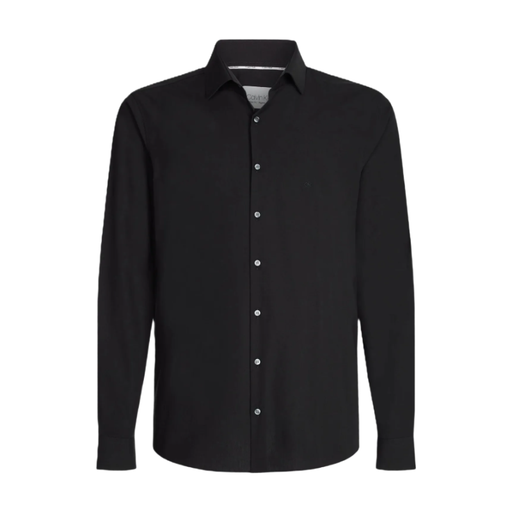
Why it suits this profile: A slim-fit design with a Kent collar in black works well with businesswear, evening outfits and smart jeans.
The composition specifies cotton with elastane, while the care instructions indicate machine washing at 40 °C. The slim fit does require accurate neck and chest measurements.
Stretch poplin, Kent collar and black colour. The product page lists 96% cotton and 4% elastane.
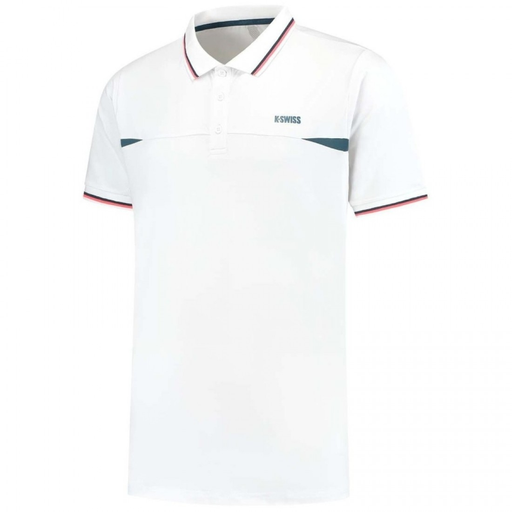
Why it suits this profile: This men’s polo is designed for tennis and training, combining a classic collar with stretch fabric.
The product description explicitly mentions stretch, a lightweight design and use for tennis. This makes it a more specific choice than a general men’s sports shirt with no stated intended use.
94% polyester and 6% elastane according to the product information; polo collar with button fastening and size S.
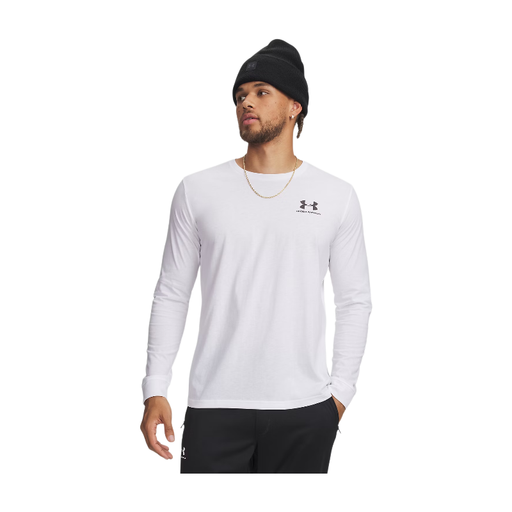
Why it suits this profile: This long-sleeve T-shirt works well as a lightweight extra layer, for casual wear and for training when long sleeves are preferred.
The product details specify a regular fit, size M, a cotton-polyester blend and clear washing instructions. This helps with everyday care and choosing the right size.
60% cotton and 40% polyester according to the product information; long sleeves, ribbed collar and machine washing at a low temperature.
We have put together a complete, up-to-date list of products that fully meet these strict selection criteria and the applicable European safety regulations.
A men’s shirt usually has a collar, button fastening and woven fabric. This makes it suitable for business or smart outfits. A men’s T-shirt generally has a crew or V-neck, short or long sleeves and knitted fabric. It is mainly intended for casual wear, sport or layering.
Measure your chest at its widest point and measure around your neck without pulling the tape measure tight. Compare these measurements with the specific brand’s size chart. A slim-fit design has less room; do not automatically choose the same size as you would for a loose-fitting T-shirt.
Wash shirts according to the label, use the recommended temperature and avoid unnecessarily hot drying. Turn printed or dark shirts inside out and hang shirts up immediately after washing. Take extra care with stretch fabrics, as heat can affect their elasticity.
