
Vandaag of morgen in huis

Kwaliteit gegarandeerd

Welkomstaanbiedingen ontgrendelen: GRATIS bezorging | Tot 80% korting | Gratis 30 dagen JoyPlus-proefperiode
Download de app
When searching for the right Salomon running shoes for men, it's easy to get lost in marketing jargon and technical specifications. Many runners invest in a shoe that no longer meets their needs after a few months, simply because it wasn't suited for their running style or terrain. Before you make a choice, it's helpful to recognise a few common pitfalls.
By understanding these points, you can search more effectively for a shoe that truly fits your needs.
To avoid a bad purchase, focus on the specifications that really matter. For Salomon shoes, these are the most important components to check.
Salomon uses different types of Contagrip outsoles, each designed for a specific purpose. The choice depends entirely on where you run.
The midsole determines the cushioning and energy return. Salomon primarily uses Energy Foam for this. This is a lightweight and responsive foam that absorbs shock while providing a springy feel with every step. This makes it an excellent choice for cushioned running shoes that still feel reactive. It helps you find comfortable running shoes that support your feet without feeling clunky.
A good fit is non-negotiable. Salomon's SensiFit technology cradles the foot from the midsole to the lacing system, providing a stable and personalised fit. This prevents slipping inside the shoe and reduces the risk of blisters. Also, pay attention to the upper material. An engineered mesh upper offers a good balance between support and breathability, which is essential for lightweight running shoes.
Based on these criteria, we have selected a few models that suit different types of runners.
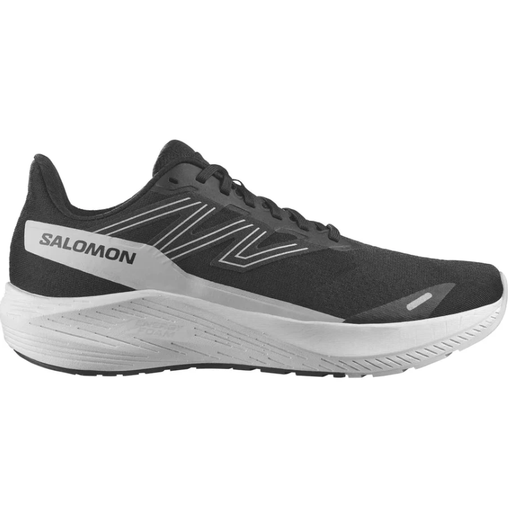
Why This Fits Their Persona: Ideal for runners who primarily train on paved roads and pavements. This shoe is designed for daily runs and offers a reliable combination of comfort and performance.
This shoe isn't a vague "do-it-all" model. It's optimised for the road, with an outsole made specifically for it. The Energy Foam cushioning is responsive and not overly soft, ensuring an efficient running experience.
Lightweight performance and a breathable upper keep your feet cool and comfortable, even during longer training sessions.
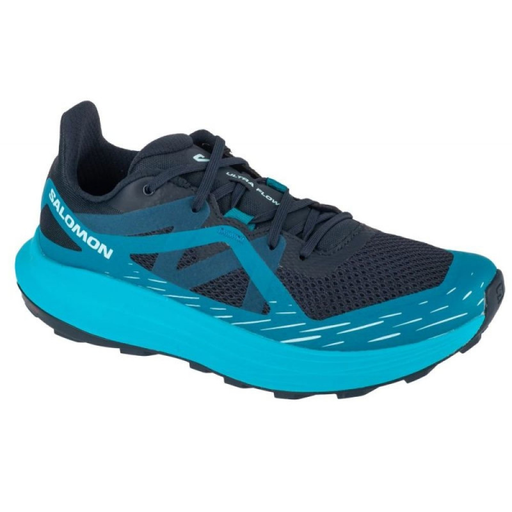
Why This Fits Their Persona: For the runner who likes to switch between the city and nature. This shoe is built for the transition from asphalt to unpaved park or forest trails.
This model tackles the "do-it-all" myth by offering a specific hybrid solution. The All Terrain Contagrip outsole is designed for grip on mixed terrain without sacrificing durability on asphalt.
The soft cushioning and plush fit provide comfort on any surface, allowing you to transition from road to trail with confidence.
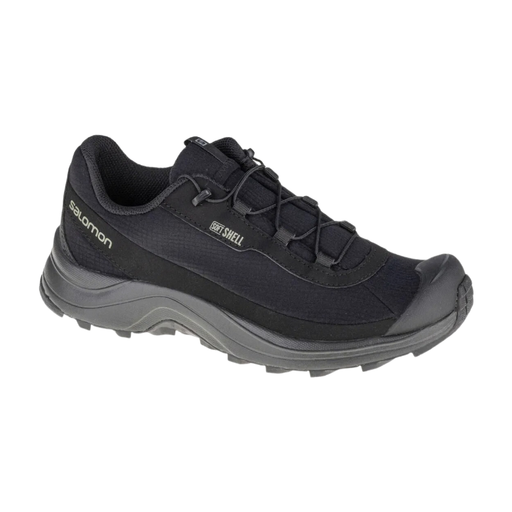
Why This Fits Their Persona: Built for runners who don't shy away from challenging, unpaved trails. This shoe provides the grip, protection, and stability needed for technical terrain.
This is a pure, no-compromise trail shoe. The All Terrain Contagrip outsole offers maximum grip, and the reinforced toe cap protects against rocks and roots—something a road or hybrid shoe cannot provide.
The combination of SensiFit and a robust upper ensures a secure, locked-in fit that inspires confidence on uneven terrain.
We have compiled a complete, up-to-date list of products that fully meet these strict selection criteria and local regulations.
The lifespan of a running shoe depends on your running style, weight, and the terrain. Generally, you can expect them to last for 500 to 800 kilometres (300 to 500 miles). Pay attention to the wear on the outsole and feel if the midsole cushioning is diminishing. A trail shoe used frequently on asphalt will wear out faster.
Absolutely. Models like the Salomon Aero Blaze are a great starting point. They offer a nice balance of cushioning, support, and a lightweight feel, making them accessible for beginner runners who primarily log their miles on paved surfaces.
The main difference lies in the outsole and the upper construction. Trail running shoes like the Genesis have a more aggressive tread with deep lugs for grip and a sturdier, more protective upper. Road running shoes, like the Aero Glide 2, have a flatter sole for efficiency on asphalt and a lighter, more breathable upper for comfort.
