
Vandaag of morgen in huis

Kwaliteit gegarandeerd

Welkomstaanbiedingen ontgrendelen: GRATIS bezorging | Tot 80% korting | Gratis 30 dagen JoyPlus-proefperiode
Download de app
A good outfit for running, fitness, trail running or winter sports starts not with a logo, but with the conditions in which you will use the product. Men’s running shoes for road running have different requirements from trail running shoes. Likewise, men’s joggers for everyday wear do not need to offer the same features as training trousers designed for intense movement.
The biggest purchasing mistakes usually come down to three recurring pitfalls:
For men’s running shoes, foot length is the starting point. Measure both feet at the end of the day and compare the longer foot with the size chart. Also pay attention to the width of the forefoot. A roomy toe box can be comfortable when your feet swell slightly over longer distances. If you wear thick sports socks, you may need extra room.
For clothing, check your chest, waist and inside-leg measurements. A regular-fit men’s hoodie will fit differently from slim-fit men’s training trousers. Also look for practical details such as a drawstring, elasticated waistband, cuffs and pockets.
For road training, cushioning, flexibility and grip on tarmac are important factors to check. According to the product description, the PELLIOT shoe has an EVA midsole and a ROCKYTEC rubber outsole. The manufacturer describes this outsole as suitable for surfaces including wet rocks, mud and loose sand. This is a product claim, so always check the version selected when buying, as some variants may have different outsole materials.
For trail running shoes, pay particular attention to:
Polyester is often used in men’s running clothing, sports shorts and training trousers because it is lightweight and can dry quickly. Cotton feels soft and works well for a men’s fleece sweatshirt or casual hoodie, but it can retain moisture for longer.
Always check the care label. According to the product information, the Adidas Trefoil Essentials Pants are made from 70% cotton and 30% recycled polyester fleece. The trousers feature an elasticated waistband with drawstring, side pockets and ribbed cuffs. Washing at a low temperature, using mild detergent and avoiding the tumble dryer can help maintain the fit and material in line with the care instructions.
For winter sports, a technical outer layer is more important than simply choosing a warm fabric. According to the product information, the The North Face trousers described use DryVent material, sealed seams, a snow gaiter and ventilation zips. “Waterproof” and “windproof” are features that should be assessed alongside the product description, construction and care of the water-repellent coating.
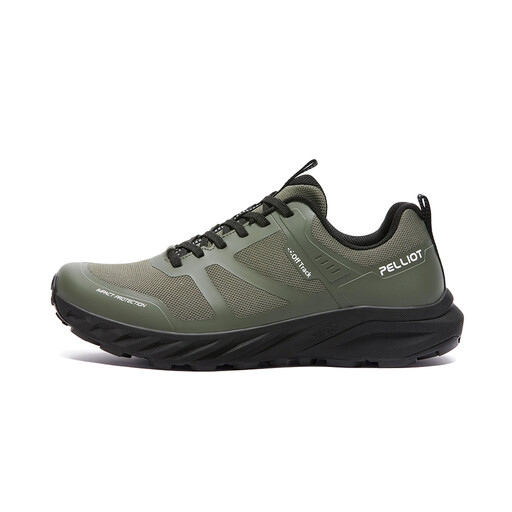
Why it suits this profile: A versatile model for recreational runners who alternate between paved roads and light off-road trails. The product description mentions mesh, an EVA midsole and several fit options.
The size chart distinguishes between a standard and narrow version. This means you do not have to rely solely on the “true to size” label.
Sandwich mesh for ventilation, EVA foam in the midsole and a ROCKYTEC rubber outsole, according to the product information.
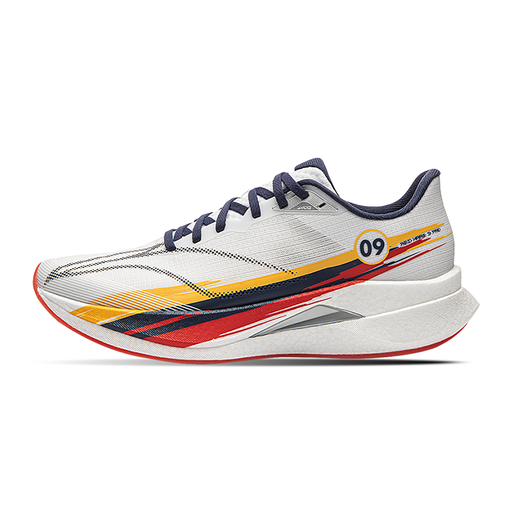
Why it suits this profile: Designed for runners looking for a wider base, stability and a combination of daily training and speed work.
The product information mentions a widened base and a broader last. This makes the fit easier to assess than a general claim about stability.
Dual-layer BOOM foam, a woven upper and GCR rubber, according to the brand and product description.
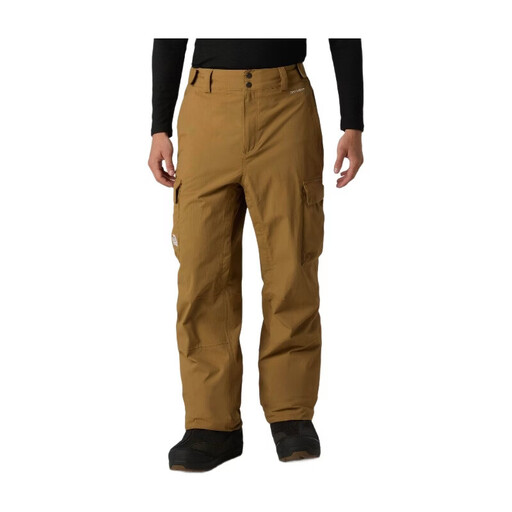
Why it suits this profile: Designed for winter sports enthusiasts who need protection from snow and wind, with room for layers underneath.
The product details mention sealed seams, ventilation zips and an internal snow gaiter. However, check the care label to preserve the finish.
Nylon outer material, waist adjustment, cargo pockets and DryVent material, according to the product description.
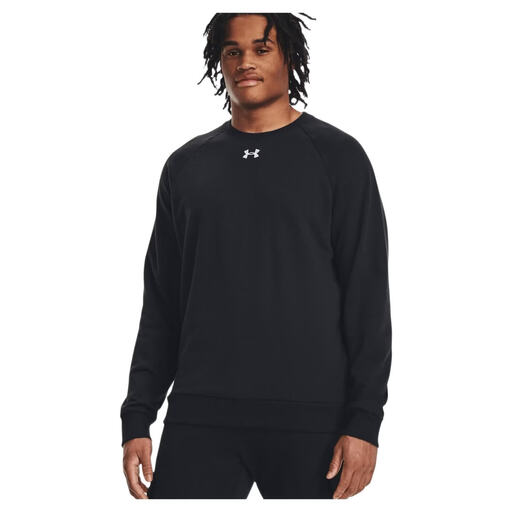
Why it suits this profile: Suitable for warm-ups, layering and everyday wear when you want a soft fleece sweatshirt.
The sizing information states that it has a loose fit. If you are between sizes, you can take this into account instead of automatically ordering your usual size.
78% cotton and 22% polyester, a brushed interior and ribbed cuffs, according to the product information.
We have put together a complete, up-to-date list of products that fully meet these strict selection criteria and the applicable European safety regulations.
It depends on usage, surface, running style and materials. Regularly check the tread, cracks in the sole and deformation of the midsole. Reduced cushioning or a clearly changed fit may be reasons to consider a new pair. There is no fixed mileage limit that applies to every runner.
Use layers. Choose a breathable shirt, a men’s running clothing layer that can wick away moisture and, in windy or rainy conditions, a lightweight outer layer. Men’s sports shorts are practical in warm weather; when it is cold, a fleece sweatshirt or training trousers may be suitable for warming up. Check that ventilation and freedom of movement are appropriate for the intensity.
Yes, provided the fabric, fit and waistband are suitable for both. A cotton blend, such as that used in some fleece trousers, feels comfortable for leisure, while a polyester tricot jogger dries more quickly and is often better suited to training. Check for zipped pockets, ankle cuffs and room around the knees and hips before ordering.
