
Vandaag of morgen in huis

Kwaliteit gegarandeerd

Welkomstaanbiedingen ontgrendelen: GRATIS bezorging | Tot 80% korting | Gratis 30 dagen JoyPlus-proefperiode
Download de app
Buying new men’s running shoes seems straightforward until you have to choose between lightweight running shoes, racing models, cushioned shoes and trail running shoes. Marketing copy often focuses on energy return, stability or grip. The practical question, however, is this: does the shoe suit your route, foot shape and training goals?
Lightweight running shoes can feel good during speed sessions, but a lower weight does not automatically mean sufficient cushioning or support. For everyday training and long-distance running shoes, the balance between weight, fit and midsole is more important than any single figure.
Brands sometimes describe their midsoles using percentages for cushioning, rebound or energy return. According to the brand’s own research, such figures may apply under specific test conditions. They do not tell you exactly how the shoe will feel for every runner. So also consider the material, geometry and your own preference for a softer or more direct landing.
A smooth outsole usually works well on tarmac, but it does not automatically provide enough grip on mud, loose stones or wet paths. Conversely, an aggressive trail tread can feel less smooth on tarmac and wear out more quickly. Always check what the sole is designed for according to the product description.
With cushioned running shoes, the midsole material is an important point of comparison. EVA foam is often used to provide a combination of shock absorption and resilience. Some models use several layers of foam or a plate construction. This can create a smoother transition, but may also produce a firmer, more guided feel.
For easy miles and long distances, an even transition from heel to forefoot is often comfortable. For racing shoes and marathon running shoes, a rocker or plate geometry may be appealing if you are looking for a more propulsive feel. Do not choose based on the product name alone: check that the fit and stability suit your running style.
A wider last gives some feet extra room around the forefoot and heel. This is useful if your feet swell slightly during longer runs or if you prefer not to wear a narrow, restrictive fit. Stable running shoes may also have a broader base or a TPU element. This is a construction feature, not a guarantee against discomfort or injuries.
Pay attention to:
According to the product information for several models in this selection, the sizes generally fit true to size. However, the shape, sock thickness and foot width can change how they feel. Measure your foot at the end of the day and compare its length with the available size chart.
Breathable running shoes made with knitted mesh or sandwich mesh generally release heat and moisture more easily than dense synthetic materials. This is useful during longer training sessions and in warmer conditions. However, mesh is not automatically waterproof and provides less protection from branches and stones than a reinforced upper.
For tarmac, a relatively flat rubber tread is usually sufficient. For running shoes for tarmac and trails, a more versatile tread is practical. On off-road routes, grip, durability and protection from small stones matter more than an extremely low weight.
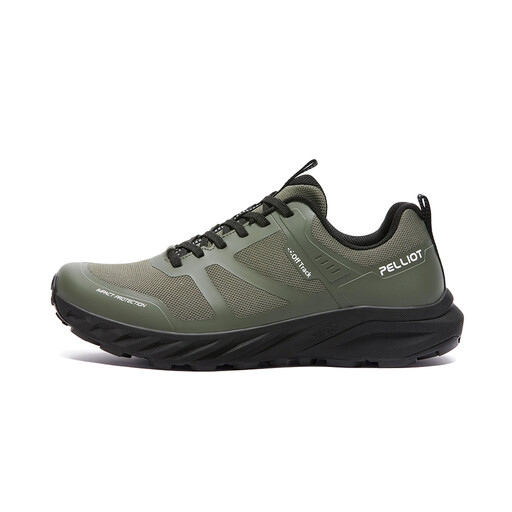
Why it suits this profile: The combination of a lightweight upper, EVA midsole and ROCKYTEC rubber outsole is suitable for beginners who run both on streets and paved paths.
The product information lists standard-fit and slim-fit versions. Check your foot width first rather than choosing solely based on low weight.
Sandwich mesh and knitted material; high-elastic EVA midsole; ROCKYTEC outsole for road-to-trail use.
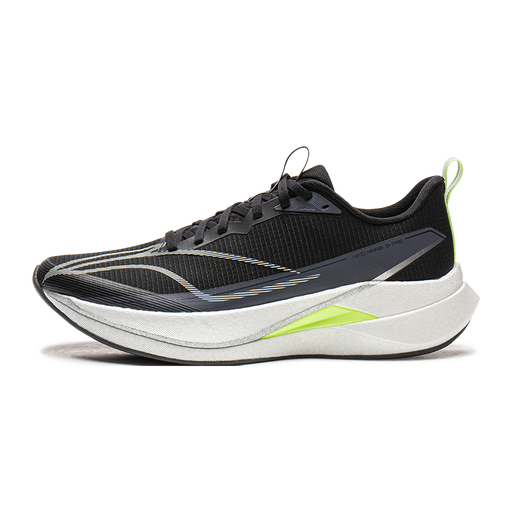
Why it suits this profile: According to the product information, this model focuses on a broad, stable base, a dual-layer BOOM midsole and a rocker for high-mileage training and tempo work.
The wider last means you do not have to focus solely on weight claims. However, check that the roomier forefoot suits your foot.
Two-layer BOOM midsole; wing-shaped TPU plate; knitted BOOM FIBER upper; GCR rubber outsole.
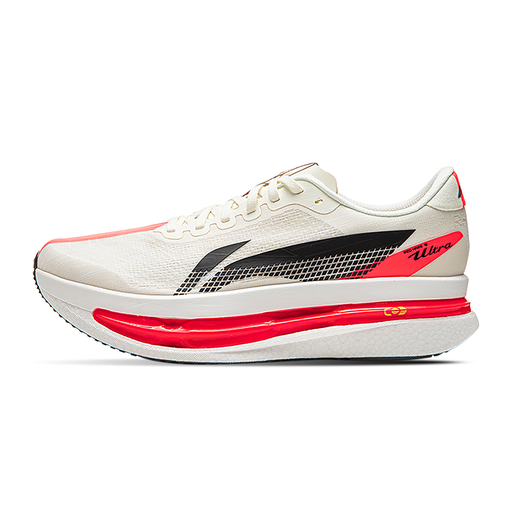
Why it suits this profile: Designed for runners looking for a racing shoe for intensive training, long distances or a marathon, and who prefer a close-fitting feel.
The product description mentions a triple-midsole system and fibreglass plate. Treat this as technical information, not a guarantee of a faster time or injury-free running.
Three layers of BOOM/Super BOOM foam; fibreglass plate; BOOM FIBER mesh; GCU outsole according to the product information.
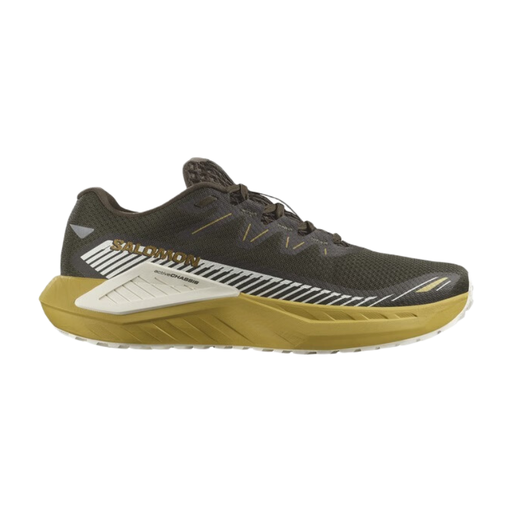
Why it suits this profile: A sensible choice for gravel, mixed terrain and outdoor use where stability and grip matter more than keeping shoe weight to a minimum.
The model is specifically described for gravel and mixed terrain. This makes it a clearer choice than using a smooth road outsole on loose ground.
Active Chassis for support; Energy Foam midsole; All Terrain Contagrip outsole; breathable mesh according to the product information.
We have put together a complete, up-to-date list of products that fully meet these strict selection criteria and the applicable European safety regulations.
Their lifespan depends on body weight, running style, surface, frequency of use and care. Do not rely solely on a fixed mileage figure. Replace a pair when the tread becomes noticeably smooth, the midsole has permanently deformed or the shoe no longer feels stable. Air shoes after a wet training session and allow them to dry naturally; avoid radiator heat and tumble dryers.
For a marathon, a good fit, sufficient comfort and a predictable transition are important. Some runners choose lightweight racing shoes with a plate or rocker, while others prefer a more stable training model. Do not wear a new pair for the first time in a race. Complete several training sessions in them beforehand and check that the toe box provides enough room over longer distances.
They can be suitable for short mixed-surface routes, but it depends on the tread. Trail running shoes with deep lugs can feel less smooth on tarmac and wear out more quickly. For regular tarmac running, a road model is more practical. If you often switch between cycle paths, gravel and woodland trails, consider running shoes for tarmac and trails with a versatile outsole.
