
Vandaag of morgen in huis

Kwaliteit gegarandeerd

Welkomstaanbiedingen ontgrendelen: GRATIS bezorging | Tot 80% korting | Gratis 30 dagen JoyPlus-proefperiode
Download de app
Buying a new pair of men's running shoes seems straightforward, until you have to choose between cushioning, grip, weight and fit. Marketing copy often uses terms such as “responsive”, “stable” or “suitable for all terrains”, but these only mean something when you connect them to specific features.
The most common buying mistakes come down to three pitfalls:
Below, we explain which specifications to check and which men's running shoes suit different types of runner.
For runners in the Netherlands, the difference between tarmac, cycle paths, parks and unpaved paths matters. So pay attention to the outsole's tread and material.
Don't treat a brand's claim about grip as a guarantee for every situation. According to the manufacturer's product description, certain outsole materials can provide grip on specific surfaces; your experience will also depend on moisture, tread wear and running technique.
Cushioned running shoes usually have a midsole made from EVA, Cloudfoam, Bounce or a similar foam material. Cushioning affects how your landing feels, but more cushioning is not automatically better for every runner.
Check:
A wider base can feel more stable. If you have narrow feet, a closer-fitting shoe may be a better match. If you have a wide forefoot, pay extra attention to the space available for your toes. The LI-NING models in the range, for example, are listed as having a wider fit, while PELLIOT offers standard and narrow options.
Breathable running shoes usually have a mesh upper. This can improve airflow, but open mesh is not always the most protective choice on wet or stony paths. For trail running, reinforcements around the toe and sides are useful.
Also check the care instructions:
In the EU, consumer products are covered by a legal guarantee of at least two years if they do not conform to the contract. This is separate from normal wear and tear through use.
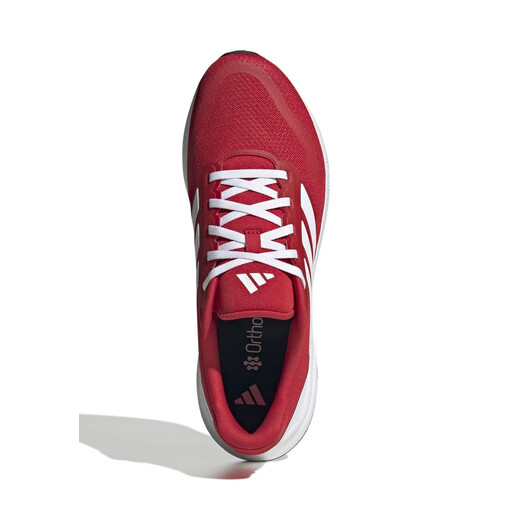
Why it suits this type of runner: The product description says this model is designed for everyday running and road distances of 0–10 km. Its regular fit and lace-up fastening make it a straightforward choice if you're looking for your first pair.
The product information lists Cloudfoam, a mesh upper and an Adiwear outsole. This makes it clear in advance which features are designed for cushioning, breathability and everyday use.
Mesh upper, Cloudfoam midsole and OrthoLite insole; available in size 42 2/3, with a listed foot length of 26,7 cm.
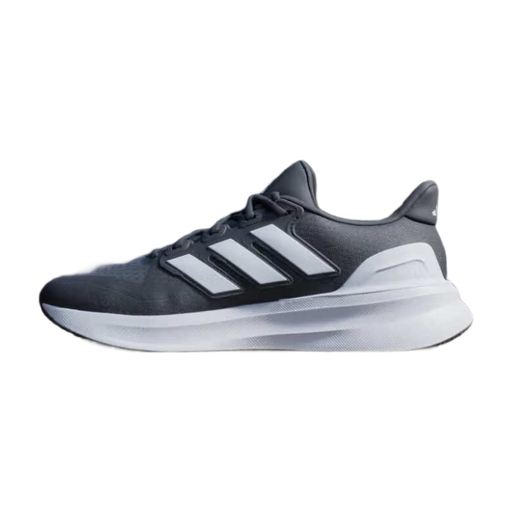
Why it suits this type of runner: According to the product details, this model combines a Bounce 2.0 midsole, mesh and an Adiwear rubber outsole. It suits runners looking for one pair for regular road training.
The features are clearly specified: mesh for breathability, Bounce 2.0 in the midsole and rubber in the outsole. Do check that the regular fit suits your feet.
Bounce 2.0 cushioning, mesh upper and OrthoLite insole; the listed size is 43 1/3, with a foot length of 270 mm.

Why it suits this type of runner: According to the product description, this model is designed for everything from city streets to trails. The combination of mesh, EVA and a ROCKYTEC rubber outsole is suited to changing surfaces.
The outsole and upper are described in more detail than those of general sports shoes. Do check the version you've selected before buying, as some variations have different reinforcements or outsole details.
Sandwich mesh and woven upper, elastic EVA midsole and ROCKYTEC rubber; the version on this page is size EU 42.
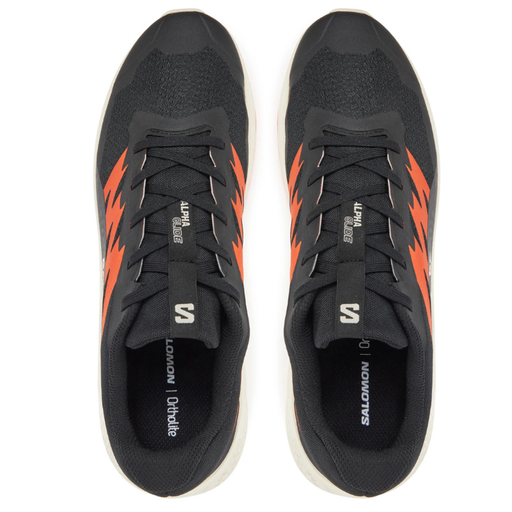
Why it suits this type of runner: The manufacturer describes this model as suitable for roads and trails. This makes it an interesting option if you don't want to keep changing shoes between paved roads and light off-road paths.
The product information explicitly lists the surfaces it's designed for. For technical terrain with deep mud or sharp rocks, it's worth comparing the outsole and protection in more detail.
Low-profile construction, synthetic upper, textile lining and a grippy outsole; the listed version is size 41 1/3.
Measure your feet at the end of the day, when they are often slightly larger. Stand on a piece of paper, measure from your heel to your longest toe, then compare the result with the size guide for the specific model. Don't rely only on your usual EU size: adidas, for example, also uses half sizes such as 42 2/3 and 43 1/3.
When trying on your shoes, consider:
If a shoe already presses on your toes when you're walking, it’s unlikely to feel more comfortable during a longer run.
We've put together a complete, up-to-date list of products that meet these strict selection criteria and the applicable European safety regulations.
Their lifespan depends on your body weight, how often you run, the surface, how you care for them and how much the outsole has worn. Regularly check the tread, uneven wear and any lasting deformation of the midsole. There is no universal mileage limit that applies to every model and every runner.
You can use them on light trails and well-maintained paths if the manufacturer describes the model as suitable for both surfaces. For mud, wet roots or rocky terrain, dedicated men's trail running shoes with a pronounced tread are usually a better choice. Also check whether the upper offers enough protection.
Lightweight running shoes can be suitable for everyday training, but also consider cushioning, fit and the outsole's durability. A lower weight alone tells you nothing about comfort or lifespan. Choose features that suit your distance, pace and running surface.
