
Vandaag of morgen in huis

Kwaliteit gegarandeerd

Welkomstaanbiedingen ontgrendelen: GRATIS bezorging | Tot 80% korting | Gratis 30 dagen JoyPlus-proefperiode
Download de app
When looking for men’s running shoes, you’ll soon come across terms such as lightweight, maximum cushioning and energy return. These claims only matter if they suit your running style, the surfaces you run on and how you plan to use the shoes. A soft shoe for easy miles, for example, isn’t automatically right for race day. And a tread designed for muddy trails can feel unnecessarily heavy or stiff on tarmac.
As Joybuy Product Recommendation Officer, I look at product information with a practical eye. Below, you’ll find what to look for, common buying mistakes and models that may suit different types of runner.
Lightweight running shoes can be appealing, but a low weight says nothing about fit, stability or grip. Check the sole material, fastening and shape of the toe box too. A shoe can be light but still too narrow or unsuitable for the surfaces you run on.
More cushioning isn’t more comfortable for every runner. A soft midsole can feel comfortable on easy runs, while a more responsive model may give you greater control during speed sessions. Look at the material used, such as EVA, Dreamstrike or another foam construction, but always assess it alongside the fit and intended use.
Trail running shoes usually have a more aggressive rubber tread for mud, loose ground and wet rocks. This is different from the flatter rubber sole found on many road running shoes. A wrestling shoe, such as the Nike Inflict 3, is also designed for mats, not outdoor use, according to the product information. So don’t use one as a substitute for running shoes.
For everyday training, cushioned running shoes are often a practical choice, especially if you spend a lot of time running on tarmac or paved cycle paths. Don’t just look at the name of the foam; consider what the model is designed for:
Claims about shock absorption or energy return come from the product information supplied by the relevant brands or sellers. Treat them as product specifications, not a guarantee of a particular running experience.
Grip matters in Dutch conditions, especially in the rain, on wet cycle paths and on unpaved routes. A rubber outsole with a relatively flat tread is usually better suited to roads. For woodland and mountain trails, trail running shoes with a more aggressive tread are the more sensible choice.
Also check whether the model is described as suitable for different surfaces. According to the product information, the Salomon Aero Blaze is suitable for roads and light trails. PELLIOT models have a ROCKYTEC rubber outsole; some versions also specify Vibram Megagrip. Always check which version and size are available for the product you choose.
A good fit helps stop your foot from sliding around as you run. Look out for:
Sizes vary between brands and models. An adidas size won’t necessarily be the same as a Salomon or Li-Ning size. Don’t order based only on the size of your old pair.
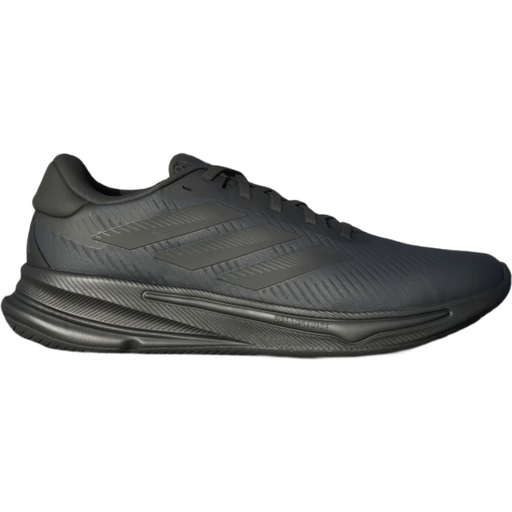
Why it suits this type of runner: A model for anyone building a running routine and mainly covering short to medium distances. Its regular fit, mesh upper and full-length Dreamstrike midsole make it a good match for everyday training.
The product information clearly states that it’s for everyday runs, rather than trail running or racing. That makes it easier to look beyond general marketing claims.
Mesh upper, lace fastening, rubber studded outsole and Dreamstrike foam, according to the product description.
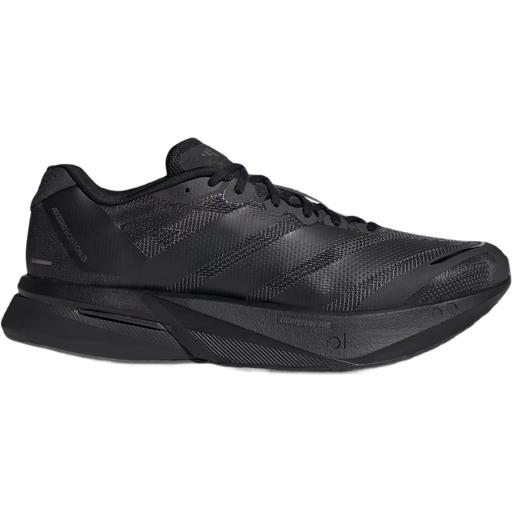
Why it suits this type of runner: Designed for runners who combine intensive training, tempo runs and race preparation. The combination of Lightstrike Pro, ENERGYRODS and Continental Rubber suits a faster-paced training routine.
It’s clearly intended for intensive training and race preparation. That way, you’re less likely to expect an everyday comfort shoe or a trail shoe.
Breathable textile, Lightstrike Pro midsole, ENERGYRODS and Lighttraxion outsole with Continental Rubber, according to adidas.
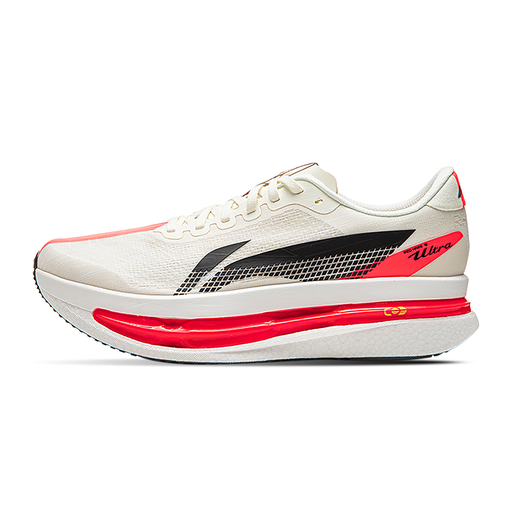
Why it suits this type of runner: A racing and training model for runners looking for a firm, close-fitting construction. The product information lists a BOOM midsole, a fibreglass plate and a GCU outsole.
The fit is described as performance-focused and close-fitting. If you need more room around your toes, the product information suggests considering half a size up.
BOOM foam layers, breathable BOOM FIBER upper and GCU rubber, according to the product description.
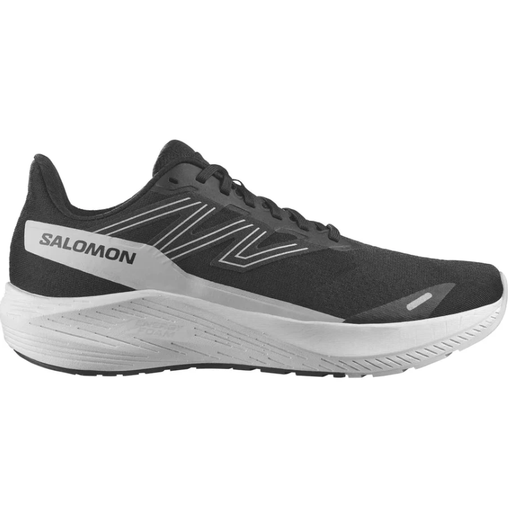
Why it suits this type of runner: An all-round option for everyday road training and light off-road routes. According to Salomon, the engineered mesh upper, Energy Foam and rubber outsole are designed to provide ventilation, cushioning and grip.
Its stated use for roads and light trails makes it clear that this isn’t a specialist mountain shoe, but it’s not intended solely for the track either.
Engineered mesh, Energy Foam midsole, traditional lace fastening and rubber outsole.
We’ve put together a complete, up-to-date list of products that meet these strict selection criteria and the applicable European safety requirements.
Lifespan depends on how often you run, your weight, the surfaces you run on, how well you care for the shoes and how much the soles have worn. Regularly check the tread, uneven wear and whether the midsole has compressed. There’s no fixed mileage limit that applies to every model. If you run several times a week, you may notice wear sooner than someone who trains occasionally.
They can be, if the fit, cushioning and outsole durability suit your training. Some lightweight models are designed mainly for speed or racing. For everyday use, models with a clearly stated training purpose, plenty of comfort and a durable outsole are often more practical.
Measure both feet and use the longer foot as your guide. Compare the measurement with the size guide on the product page. Fit advice such as “true to size” can be helpful, but it doesn’t replace a size guide. Leave a little room around your toes when trying the shoes on, and check that your heel doesn’t lift as you walk.
