
Vandaag of morgen in huis

Kwaliteit gegarandeerd

Welkomstaanbiedingen ontgrendelen: GRATIS bezorging | Tot 80% korting | Gratis 30 dagen JoyPlus-proefperiode
Download de app
A pair of men's running shoes might look great in photos but disappoint once you start running. For example, a soft sole may feel comfortable when you try the shoes on, yet provide too little support over longer distances. Breathable materials are often highlighted as a benefit, too, without making it clear what the upper is made from.
As a Joybuy Product Recommendation Officer, I filter product information for features you can check for yourself. That way, you can compare men's running shoes by intended use, materials, cushioning, grip and size, rather than just their appearance or brand name.
Not all men's sports shoes are suitable for running. Styles with a fashionable retro look or a thin sole may be fine for everyday wear, but could lack the features you need to handle repeated impact. So check whether the product description specifies a running purpose, a type of midsole and details about the outsole.
A soft midsole isn't automatically right for your running style. Comfortable cushioning can feel good over short to medium distances, while more responsive cushioning may be better suited to intensive training. Check the material and construction of the midsole, such as Dreamstrike, Cloudfoam, Bounce or EVA. According to the manufacturer's product information, these materials can affect how the shoes feel when you run; that doesn't guarantee the same experience for every wearer.
Men's running shoes shouldn't pinch your toes. Measure both feet at the end of the day and compare the results with the size guide for the specific model. Pay attention to the fit, too: a regular last, a wide toe box and a narrow fit won't offer the same amount of room, even if they’re all the same EU size.
The midsole is an important feature to check when choosing cushioned running shoes. Look for:
A shoe for everyday use doesn't have to feel the same as a model designed for speed training. For example, according to its product information, the adidas Adizero Boston 13 is designed for intensive training and race preparation. This makes it a less obvious choice if you mainly enjoy a leisurely walk or the occasional short run.
Breathable running shoes often use mesh or textile. This can help air circulate, but mesh isn't automatically waterproof or suitable for rough terrain. For everyday use on tarmac, a lightweight mesh upper is often practical. Men's trail running shoes should also have a reinforced upper and a grippy tread.
Check the care instructions, too. According to the product information, several adidas models in this selection aren't machine washable. Wiping them with a damp cloth and leaving them to air-dry helps you care for the material in line with the instructions.
The outsole is key when choosing running shoes for road and trail. Look for:
Grip matters on wet Dutch cycle paths and roads, but no sole can make every surface risk-free. So check which running surfaces the manufacturer recommends the model for.
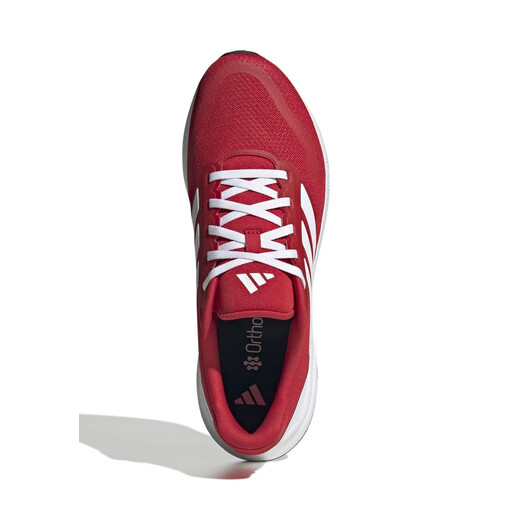
Why it suits this type of runner: According to the product information, this model is designed for road training and short distances of 0–10 km. The combination of mesh, Cloudfoam and a lace-up fastening makes it a good first pair for regular use.
The product description names specific materials and a distance range, rather than relying on general terms such as “sporty” or “comfortable”.
Mesh upper, Cloudfoam midsole, OrthoLite insole and Adiwear outsole, according to the product specifications.
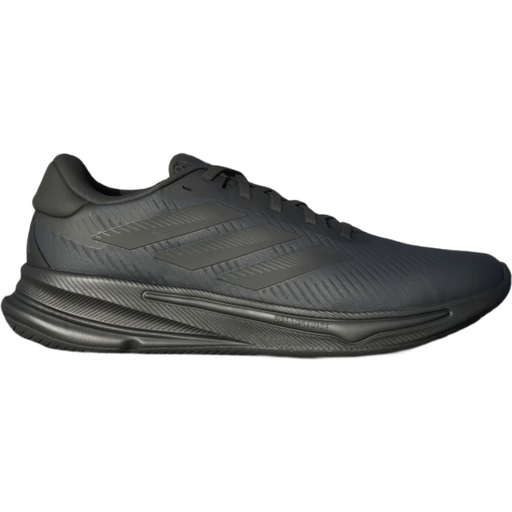
Why it suits this type of runner: This is an everyday running shoe for short to medium distances. The regular fit, mesh upper and full-length Dreamstrike midsole are designed to combine support, ventilation and cushioning.
This model isn't described solely as a lifestyle shoe; the product information gives details of its purpose, fit, midsole and outsole separately.
Breathable mesh, Dreamstrike foam, rubber lugs and adjustable laces, according to the product specifications.
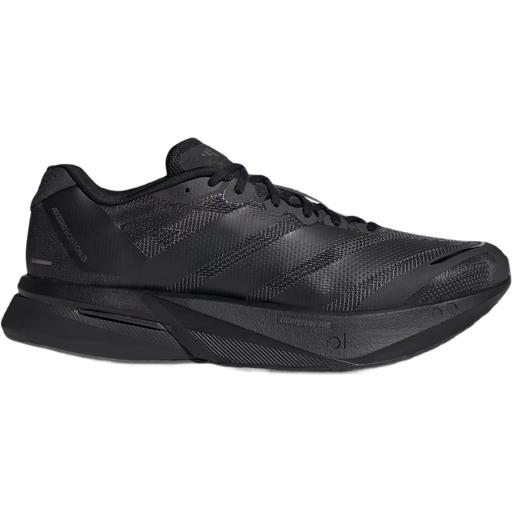
Why it suits this type of runner: According to the product information, this model is designed for speed training and race preparation. The combination of Lightstrike Pro, ENERGYRODS and a breathable textile upper suits a focused training routine.
Its intended use is clearly described. That makes it less likely to be the wrong choice for someone who trains intensively with a specific goal in mind.
The product details list Lightstrike Pro, ENERGYRODS and Lighttraxion with Continental Rubber.
If you want one pair for both tarmac and unpaved paths, consider PELLIOT models with sandwich mesh, an EVA midsole and ROCKYTEC rubber. According to the product information, some versions are designed for different types of terrain and come in regular and narrow fits. Check which version and size you select, though; features such as Vibram Megagrip are only listed for certain versions.
For a black, sporty shoe for commuting or casual wear, the Skechers Slip-Ins Summits and Skechers Burns feature textile or mesh panels, a rubber sole and a cushioned insole. The product information describes these models mainly for everyday wear and light workouts, rather than intensive running training.
We've put together a complete, up-to-date list of products that meet these strict selection criteria and current European safety regulations.
Their lifespan depends on how often you run, your body weight, the surface, how well you care for them and the type of sole. There's no set lifespan that applies to every model. Replace your shoes when the outsole shows visible uneven wear, the midsole stays compressed or the upper no longer gives you a good fit.
Not necessarily. When standing and walking, there should be enough room in front of your longest toe, without your heel slipping. Measure your foot in centimetres and follow the size guide for the model you've chosen. Thicker socks or wider feet might mean it’s worth trying half a size up, but always check the specific product information.
Yes, if the fit and style work for you. Models such as black men's running shoes can be paired with a sporty outfit. Bear in mind, though, that a casual shoe isn't automatically suitable for intensive training, and a proper running shoe may wear differently if you use it for everyday walking.
