
Vandaag of morgen in huis

Kwaliteit gegarandeerd

Welkomstaanbiedingen ontgrendelen: GRATIS bezorging | Tot 80% korting | Gratis 30 dagen JoyPlus-proefperiode
Download de app
As a Joybuy Product Recommendation Officer, I see the vast number of choices available for men's running shoes every day. The right pair can significantly enhance your running enjoyment, while the wrong choice can lead to discomfort and disappointment. Many runners fall into the same traps, driven by marketing promises that don't always align with their needs. Let's review the most common missteps so you can make an informed decision.
Before you make a decision, there are a few technical features that determine if a shoe is right for you. Paying attention to these will help you avoid a bad purchase.
The right balance between cushioning and stability is crucial for comfort and preventing overuse injuries.
The surface you primarily run on determines the type of outsole you need.
The material of the top part of the shoe (the upper) greatly influences comfort. For most runs in typical climates, an upper made of breathable mesh is the most practical choice. This material ensures good air circulation, helping to keep your feet cooler and drier.
Below are a few models that suit different types of runners, based on their specifications.
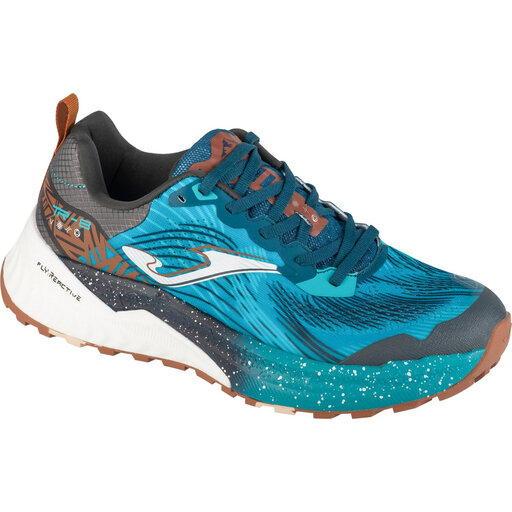
Why it matches this profile: This shoe is a versatile and accessible option for those starting out with running or looking for a shoe for various sports activities. Its lightweight design and comfortable fit make it a great shoe to start with.
This model avoids the trap of superfluous, expensive technology. It provides a solid foundation without pretending to be a hyper-specialised shoe, which is ideal for a beginner.
Lightweight construction and a versatile design, suitable for both running and other workouts.
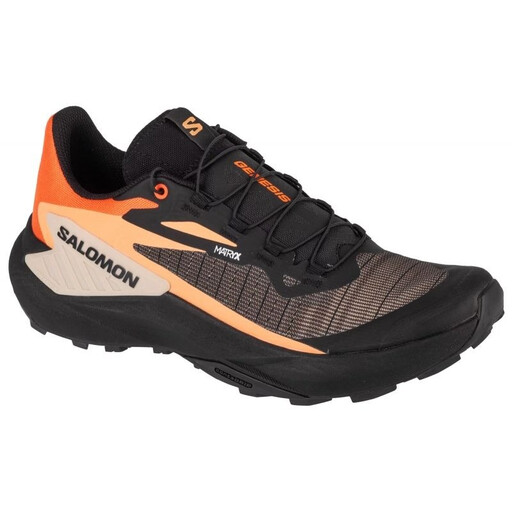
Why it matches this profile: This shoe is specifically designed for technical and challenging terrain. The combination of stability, cushioning, and grip makes it suitable for serious trail runs in the mountains or on hilly forest paths.
This model directly addresses the 'outsole and surface mismatch'. According to Salomon, the All Terrain Contagrip outsole is designed for reliable grip on rocky, muddy, and uneven surfaces.
The Active Chassis system provides advanced stability, according to the manufacturer, while the Energy Foam midsole ensures responsive cushioning.
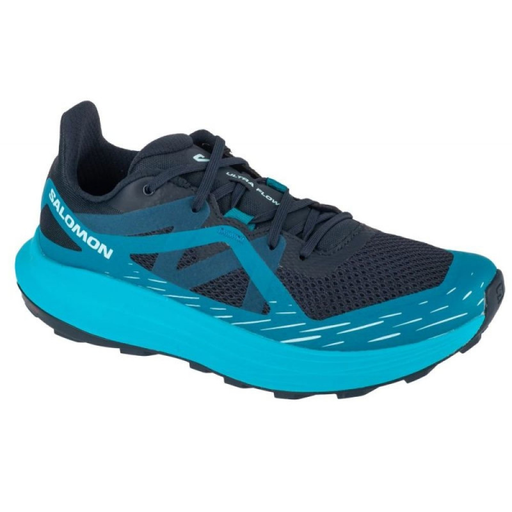
Why it matches this profile: For the runner who alternates between asphalt and forest paths. This shoe is designed as a versatile option that provides comfort and grip on both types of terrain, eliminating the need for two separate pairs of shoes.
This shoe avoids the pitfall of being too specific. The All Terrain Contagrip sole is made for mixed surfaces, and the cushioning is tuned for both hard and soft ground.
Excellent cushioning for comfort on hard surfaces and a versatile outsole that also provides grip on unpaved trails.
We've compiled an up-to-date list of products that meet these selection criteria and EU regulations.
A general guideline is that running shoes should be replaced after 500 to 800 kilometres (about 300 to 500 miles). However, the lifespan heavily depends on your running style, weight, and the surfaces you run on. A clear sign of wear is when the cushioning feels less responsive or if you start to feel minor aches and pains that you didn't have before.
Yes, this is often a good idea. Your feet swell during a run, so it's important to have some extra room. A good rule of thumb is to leave about a thumb's width of space between your longest toe and the front of the shoe. It's best to try on shoes at the end of the day, when your feet are at their largest.
The main difference lies in the outsole and construction. Men's trail running shoes have a deeper, more aggressive lug pattern for grip on unpaved and uneven surfaces. They are also often built to be more durable and may have a reinforced toe cap to protect your feet from rocks and branches. Regular running shoes have a flatter, more durable sole optimised for asphalt and typically focus more on cushioning for hard surfaces.
