
Vandaag of morgen in huis

Kwaliteit gegarandeerd

Welkomstaanbiedingen ontgrendelen: GRATIS bezorging | Tot 80% korting | Gratis 30 dagen JoyPlus-proefperiode
Download de app
Buying new men's running shoes seems straightforward, until you have to choose between road shoes, men's trail running shoes, waterproof designs and walking shoes. A low price or well-known brand name does not automatically mean that a pair will suit your feet and the surface you run on. The right choice starts with how you use them: do you mainly run in the city, on gravel paths, in the woods or on technical terrain?
An outdoor shoe with a tread can work well on gravel, but may feel less fluid on smooth tarmac. Conversely, a road-running shoe usually does not provide enough grip on mud, loose stones and wet woodland paths. So pay attention to the type of outsole:
A model for running shoes for tarmac and terrain is particularly useful if you vary your routes, but it remains a compromise between speed, grip and protection.
Waterproof running shoes or GORE-TEX running shoes can be useful in the rain, on wet grass and around puddles. However, fit remains important: water can enter through the collar, and moisture from perspiration cannot escape a membrane indefinitely. For warm summer days, a well-ventilated mesh shoe may be more comfortable.
According to Salomon's product description, the Ultra Flow GTX has a GORE-TEX membrane and a Contagrip outsole for tarmac and terrain. These are verifiable product specifications, but they do not guarantee that your feet will stay dry in all conditions.
Terms such as ‘energy return’ or ‘ultra-soft’ sound appealing, but do not tell you exactly how a shoe feels. A soft midsole can be comfortable during long, easy runs, while a firmer model may provide more control on uneven ground. Look at the materials, sole construction and fit, then decide whether they suit your running style.
The midsole largely determines how the shoe feels underfoot. Many models use EVA foam or a variation of it. Check whether the description primarily focuses on:
For beginners, comfortable running shoes with a predictable feel are often more practical than a highly race-focused shoe. For a marathon, a lightweight racing shoe may be worth considering, but a carbon plate or strongly race-oriented construction is not necessary for every training session.
The outsole should suit the surface. Brand-specific names such as Contagrip, Adiwear or GCU describe a material or tread construction, but you should primarily compare how the shoe is intended to be used according to the product information. A trail model with lugs is designed for off-road routes; a daily tarmac model usually has a less pronounced tread.
If you are also looking for men's hiking shoes, pay extra attention to toe and heel reinforcement, outsole rigidity and ankle height. A walking shoe is not automatically suitable for running, as its weight and flexibility may be different.
Ideally, measure your feet at the end of the day and wear the socks you will use when running. Leave some room around the toes for running, especially over longer distances. Always check:
A size 42 from one brand may fit differently from a size 42 from another. Use the size chart as a starting point and check the returns policy before ordering.
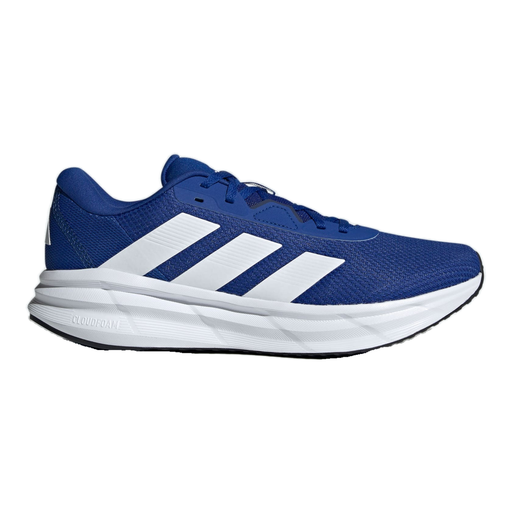
Why it suits this profile: This model is designed for everyday use and longer distances on the road. Its regular fit, lace fastening and Cloudfoam midsole make it a straightforward choice for anyone building a running routine.
The product information specifically mentions a Cloudfoam midsole, textile lining and TPU outsole. This means you can assess the choice based on its individual components rather than relying solely on general comfort claims.
Cloudfoam cushioning, regular fit and a durable TPU outsole according to the product description.
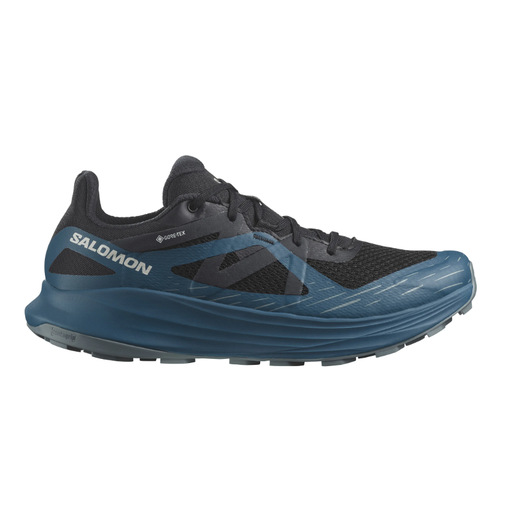
Why it suits this profile: For runners who combine tarmac with gravel or light trails, this model offers a combination of cushioning, weather protection and a mixed tread.
The product description mentions both a GORE-TEX membrane and a Contagrip outsole for mixed terrain. However, check that the higher sole and waterproof construction suit your climate and running pace.
EVA cushioning, GORE-TEX membrane and Contagrip outsole according to the manufacturer's description.
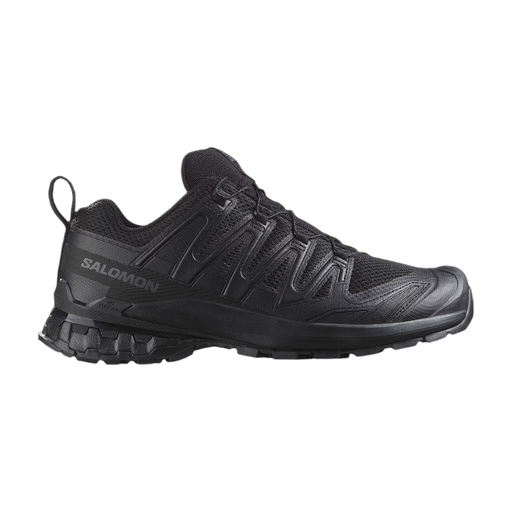
Why it suits this profile: This model is designed for trail running and walking on rougher terrain, with a 3D Advanced Chassis, Quicklace system and protection around the toe and heel.
The combination of GORE-TEX, 3D Advanced Chassis and Contagrip is more specific than a general all-terrain claim. On smooth tarmac, however, the tread may feel heavier than that of a road-running shoe.
Quicklace, GORE-TEX membrane, toe and heel reinforcement and Contagrip outsole according to the product information.
We have put together a complete, up-to-date list of products that fully meet these strict selection criteria and the applicable European safety regulations.
Clean running shoes after a wet training session with a soft brush or damp cloth. Allow them to dry at room temperature and avoid radiators, hairdryers and tumble dryers. Washing instructions vary by model; according to the product information, the shoes mentioned are not suitable for machine washing.
Do not replace a pair solely after reaching a set number of kilometres. Look out for a compressed midsole, worn-smooth tread, unevenly worn outsole or persistent pressure points. If you run several times a week, you can extend their lifespan by alternating between two pairs. Store shoes somewhere dry and, if necessary, remove the insoles after use.
Choose a model with a mixed tread, sufficient cushioning and a flexible outsole. According to the product description, the Salomon Ultra Flow GTX is designed for the transition between road and terrain. For more technical paths, a trail model with greater grip and protection is the more logical choice.
Not always. A GORE-TEX membrane can provide protection in the rain and on wet paths, but a mesh shoe often offers better ventilation in warm weather. So consider the season, your route and the likelihood of prolonged rain before choosing waterproof running shoes.
Prices vary considerably depending on the materials, cushioning, construction and racing technology. A marathon model with a carbon plate is not automatically suitable for everyday use. Compare the size, fit and surface the shoe is designed for, and only then consider the price.
