
Vandaag of morgen in huis

Kwaliteit gegarandeerd

Welkomstaanbiedingen ontgrendelen: GRATIS bezorging | Tot 80% korting | Gratis 30 dagen JoyPlus-proefperiode
Download de app
Choosing a new pair of men’s running shoes seems straightforward, until you have to compare lightweight models, cushioned shoes and trail versions. A low price or well-known brand name does not automatically mean a shoe suits your running style. The right choice mainly depends on the surface, fit, training distance and sole construction.
Lightweight running shoes feel comfortable during short training sessions, but a low weight tells you little about cushioning, stability or durability. A thin sole may suit an experienced runner looking for plenty of ground feel, but be less suitable for everyday use or longer distances.
So don’t just look at the weight. Also check the midsole material, the width of the base and the properties of the outsole.
A mesh upper can improve air circulation, but not all mesh materials have the same structure. For example, a shoe with lots of synthetic overlays may feel less flexible. For warm-weather training, breathable running shoes with open mesh or woven textile are often a practical choice.
Also pay attention to the lining. A thin lining or no lining at all can aid ventilation, but you’ll need suitable running socks to help reduce friction.
Cushioned running shoes are not all designed for the same routes. A soft road-running sole can feel comfortable on tarmac, but a tread with sufficient grip is more important on muddy woodland paths. Conversely, an aggressive trail tread may feel less natural on smooth pavements.
Always check whether the model is intended for road running, trail running or a combination of both.
The midsole largely determines how the shoe feels under your foot. Many models use EVA foam or a similar material. A softer compound generally provides a more comfortable feel, while a firmer midsole can offer more direct contact with the ground.
Look out for the following:
A cushioned sole does not automatically prevent injuries and is no substitute for good running technique or a gradual training build-up. Treat the product specification primarily as information about how the shoe feels to wear.
For intensive training, textile and mesh are often practical choices. They can help keep the weight down and allow air to circulate. Synthetic leather, as used on some comfortable sports shoes, is easier to wipe clean and may feel more supportive.
Also check:
A regular fit suits many feet, but runners with a wider forefoot may be better off looking for a roomier last. With some models, choosing half a size larger may be an option, but always use the specific size chart.
The outsole determines how much contact and grip you have. Rubber is common on models for road training, fitness and everyday use. With trail running shoes, the tread is particularly important: deep, well-spaced lugs can provide better traction on loose earth, wet paths and mud.
A smoother pattern is usually more practical for tarmac and dry cycle paths. For hybrid models, check whether the manufacturer explicitly mentions road-to-trail use. According to the PELLIOT product description, certain models are designed for the transition from road to trail and feature a ROCKYTEC rubber outsole. Check each version to make sure the stated sole variant actually belongs to the product you have selected.
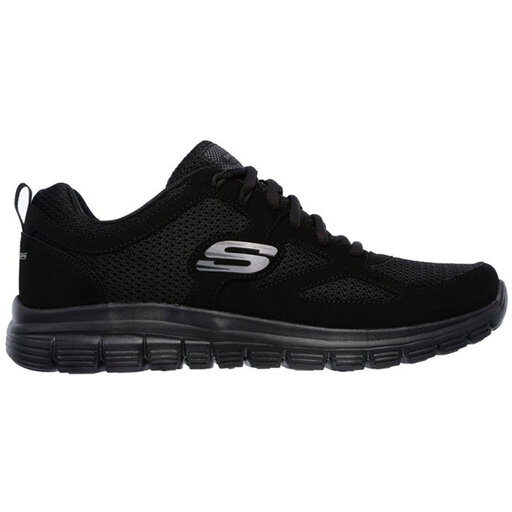
Why it suits this profile: This model is designed for everyday use, light training and a regular fit. The lace-up fastening allows you to adjust the fit.
The product description mentions a flexible, shock-absorbing sole and mesh inserts. However, check that the level of support is sufficient for your distance.
Synthetic leather and mesh upper, fixed Memory Foam insole and rubber outsole according to the product information.
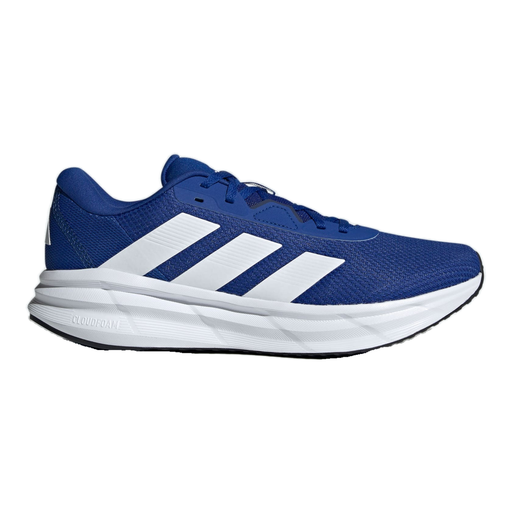
Why it suits this profile: An option for road training and longer recreational runs, with a regular fit and a Cloudfoam midsole according to the product description.
The specifications clearly state the size, regular fit, textile upper and TPU outsole. This allows you to compare the shoe without relying solely on the brand name.
Textile lining, Cloudfoam midsole and TPU outsole; the product page states a foot length of 270 mm for EU 42.

Why it suits this profile: The combination of mesh, EVA foam and a trail-focused rubber outsole suits runners who alternate between roads, parks and unpaved paths.
The product information specifies use on different surfaces, standard and slim-fit options, and a size chart based on foot length.
Sandwich mesh and woven upper, high-elastic EVA midsole and ROCKYTEC rubber outsole according to the product description.
Measure both feet at the end of the day, when they are often slightly larger. Compare the longer foot with the size chart and leave some room around the toes. Ideally, try on running shoes while wearing the socks you use for exercise.
Lifespan depends on how often you run, your body weight, the surface and how you care for the shoes. There is no fixed mileage that applies to every model. Replace a pair when the sole shows visible uneven wear, the upper starts to come away or the cushioning feels noticeably different. Rotating between two pairs can spread wear, but it cannot make a worn sole suitable for use again.
Allow wet shoes to air-dry. Do not use direct heat from a radiator and follow the brand’s washing instructions. Some models can be cleaned on a gentle wash programme; others should only be wiped with a damp cloth.
We have put together a complete, up-to-date list of products that fully meet these strict selection criteria and the applicable European safety regulations.
It depends on your preferences, running pace, distance and the surface. For everyday running on tarmac, many runners choose a model with noticeable cushioning. For short, fast training sessions, a more responsive model may feel better. Compare the midsole and recommended use rather than focusing only on terms such as “extra soft”.
You can, but the tread and stiffness may feel different from those of road-running shoes. A hybrid model is more practical if you regularly switch between tarmac, park paths and light trails. If you run exclusively on paved roads, a sole with a flatter tread will usually be sufficient.
The price varies according to the brand, materials, sole technology and intended use. A more expensive model is not automatically the right fit for your feet. Above all, compare the fit, size information, cushioning, grip and care requirements. This helps you avoid paying for features you will not use during your training.
