
Vandaag of morgen in huis

Kwaliteit gegarandeerd

Welkomstaanbiedingen ontgrendelen: GRATIS bezorging | Tot 80% korting | Gratis 30 dagen JoyPlus-proefperiode
Download de app
Buying a new pair of men’s running shoes seems straightforward, until you have to choose between cushioning, stability, a wide toe box and a race-ready fit. Marketing terms such as “explosive rebound” or “maximum support” don’t always tell you how a shoe will feel during your training.
So focus on the features you can check: sizing, the midsole, the outsole, the upper and what you’ll use the shoes for. That way, you can avoid a costly mistake before you’ve even run your first few miles.
Marathon running shoes and racing shoes are often lightweight and snug around the foot. That can feel great during a tempo run or road race, but a firm, close-fitting design won’t necessarily suit relaxed long runs or everyday wear.
A shoe with a fibreglass plate and a stiff ride also takes some getting used to. So consider whether you mainly run races or want one pair for both training and competition.
Lots of cushioning doesn’t automatically make a shoe feel stable. Look at the width of the base, the heel construction and any supportive features too. These details matter just as much as the softness of the foam when choosing stable running shoes.
A broad heel, firm heel counter or supportive midsole can give you a more controlled feel. That’s different from medical correction; the fit still needs to suit your foot.
EU sizes aren’t identical across every brand and model. A shoe may be described as “true to size” in the product information but still feel tight because of its race-focused last. Ideally, measure your feet at the end of the day and allow for running socks.
Also check for:
The midsole is an important feature to compare when choosing long-distance running shoes. A multi-layer construction can combine different functions, such as softness, energy return and support. According to LI-NING’s product description, the Red Hare 9 Ultra has a top layer of Super BOOM, a capsule layer and a BOOM foam base layer.
That may sound technical, but the practical question is simple: do you want a light, responsive feel for faster runs, or a more consistent ride for easy miles? A softer sole won’t automatically be more comfortable for every runner.
If you often feel pressure on your toes, look for running shoes with a wide toe box. According to the product information, the LI-NING Yueying 6 has an optimised last and a roomier forefoot. The manufacturer also says that going up half a size may work better for wider feet or thicker socks.
A wide toe box shouldn’t be confused with a loose-fitting shoe. The midfoot and heel should still feel secure, especially when cornering, doing interval training or taking part in HIIT.
Breathable running shoes often use mesh or a similar textile material. According to the product specifications, the New Balance U1906 models combine mesh with synthetic sections. The LI-NING Red Hare 9 Ultra has a BOOM FIBER upper with a 3D mesh structure.
These materials can help air circulate, but how they feel also depends on your socks, the temperature and the fit. Check the care instructions after use: the models mentioned are designed to be cleaned with a damp cloth and left to air-dry. Machine washing can damage the materials and adhesive bonds.
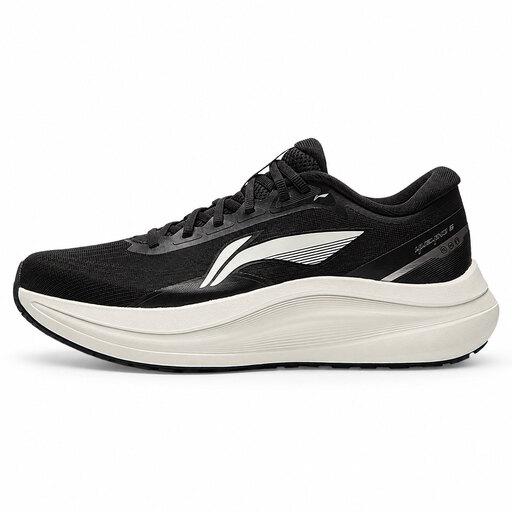
Why it suits this profile: A practical choice for outdoor exercise and easy training, with extra forefoot room for runners who appreciate a more spacious fit.
The product description mentions a wider toe area, a heel widened by 2 mm and PROBAR LOC support. This makes it easier to assess the shoe than relying on general claims about cushioning alone.
Full-length Tempo Bounce midsole, rubber outsole with grip zones and a choice of several EU sizes.
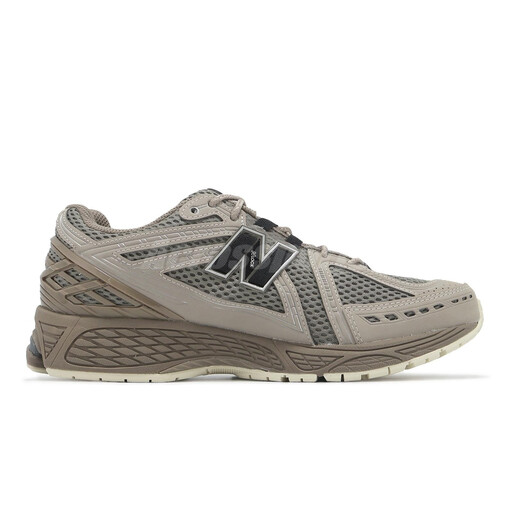
Why it suits this profile: A good choice if you’re after a running-inspired design that also works with everyday outfits and casual wear.
It’s not just about looks: the product specifications list mesh, synthetic sections, ABZORB cushioning and Stability Web support.
ABZORB midsole, rubber outsole and breathable mesh in a design for sport and everyday wear.
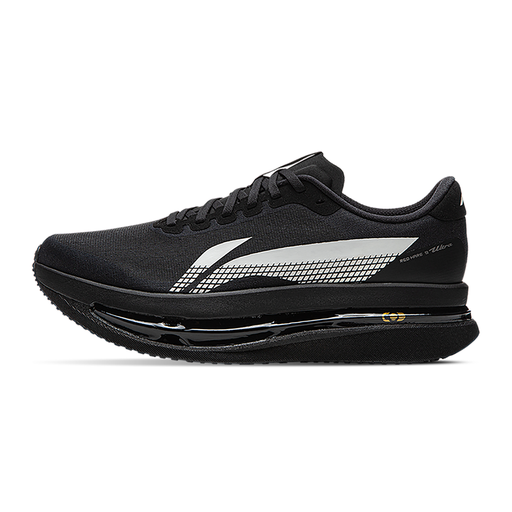
Why it suits this profile: Designed for HIIT, fast training sessions, long distances and road races, for runners who prefer a close fit.
The product information specifically lists a triple-layer midsole, fibreglass plate, GCU outsole and BOOM FIBER mesh. The manufacturer describes these as construction features; they don’t guarantee a particular race performance.
Lightweight BOOM FIBER upper, dynamic wraparound fit and GCU rubber for grip on dry and wet surfaces, according to the product description.
We’ve put together a complete, up-to-date list of products that meet these strict selection criteria and current European safety requirements.
Their lifespan depends on your body weight, running style, running surface, training frequency and how well you look after them. Check the tread, heel wear and midsole for signs of deformation regularly. If the shoe is visibly wearing unevenly or feels less stable, it’s worth comparing it with a new pair. There’s no set mileage that applies to every runner.
They can be, as long as the cushioning and fit suit your running style. As well as softness, consider heel stability, toe room and the weight of the shoe. Try a new pair on shorter runs before wearing them for a long run or marathon.
Remove loose dirt with a soft brush, then use a damp cloth and mild cleaning solution. Leave the shoes to air-dry, away from direct sunlight and radiators. Don’t machine-wash running shoes unless the manufacturer specifically says it’s safe. If you do a lot of training, consider alternating between two pairs so the materials have time to dry between runs.
