
Vandaag of morgen in huis

Kwaliteit gegarandeerd

Welkomstaanbiedingen ontgrendelen: GRATIS bezorging | Tot 80% korting | Gratis 30 dagen JoyPlus-proefperiode
Download de app
A pair of men's running shoes might look technical in photos, but that tells you little about how they’ll fit when you head out for a run in the Dutch weather. A toe box that’s too narrow, an upper that quickly gets too warm or a sole without the right grip can all cause discomfort after just a few runs.
As a Joybuy Product Recommendation Officer, I focus on product information that can be verified. Look out for these three common pitfalls:
For short road runs of up to around 10 kilometres, a lightweight shoe with a soft midsole can feel comfortable. According to the product description, the adidas Runfalcon 5 has a Cloudfoam midsole and a mesh upper. It’s designed for everyday running and short distances on roads.
For long-distance running shoes, softness isn’t the only thing that matters. Also look at:
Brands sometimes use their own figures for cushioning, energy return or protection. LI-NING’s own research, for example, quotes percentages for energy return and ventilation on certain models. These figures are brand claims, not a universal measurement standard. So compare the actual construction too: the type of foam, sole width, rubber zones and fit.
Stable running shoes often have a wider base, a supportive heel construction or extra support in the sole. These can be worth considering if your feet move a lot when you land. However, they won’t automatically prevent injuries; personal fit and running technique still matter.
If you have wide feet, look for running shoes with a wide toe box. According to the product information, the LI-NING YUEYING 6 has a wider last, a widened heel and extra room around the forefoot. If you’re between sizes or wear thicker socks, compare the size chart with your foot length.
It’s best to measure your feet at the end of the day:
A standard width such as D isn’t the same as a roomy toe box. So don’t just check the EU size: look at the last, width and shape of the toe.
For tarmac and cycle paths, a flatter rubber tread is usually enough. For woodland trails, mud and loose stones, men's trail running shoes need a deeper tread and a more abrasion-resistant upper.
According to the product description, the PELLIOT models in this selection combine a sandwich-mesh upper with an EVA midsole and ROCKYTEC rubber. Some versions are listed by the manufacturer with Vibram Megagrip. Always check which version you’re buying; features of one variant won’t necessarily apply to every model.
When choosing breathable running shoes, look for mesh, a textile lining and any reinforcements. Open mesh allows air to pass through, but may offer less protection from rain and branches. On wet paths in the Netherlands, grip matters more than simply choosing a lightweight shoe.
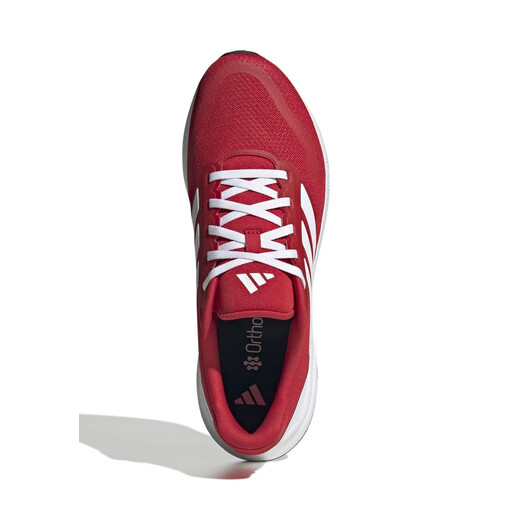
Why it suits this profile: A practical choice for everyday road runs and short runs of up to around 10 km, with a lace-up fastening and regular fit.
The product information specifies a mesh upper, Cloudfoam midsole and Adiwear outsole, rather than relying on general comfort claims alone.
Cloudfoam midsole, breathable mesh and rubber Adiwear outsole for road use.
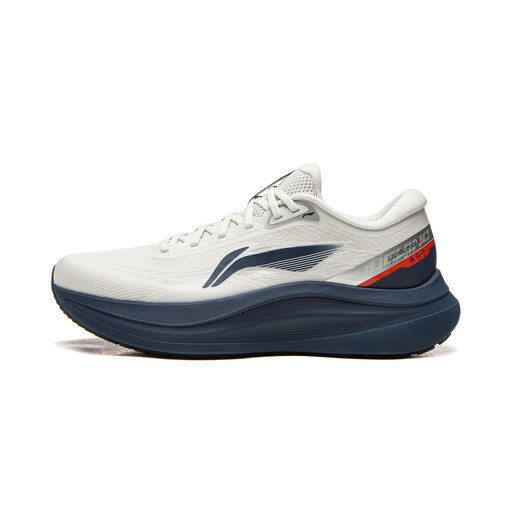
Why it suits this profile: Designed for runners who value forefoot room, a wider base and a supportive design.
The specifications mention the wider last and extra toe room, so you don’t have to rely solely on a marketing term such as “comfort”.
Tempo Bounce midsole, wider heel and rubber outsole with grip zones.

Why it suits this profile: A good option if you switch between paved roads, woodland paths and light technical terrain, and value ventilation and grip.
The product description lists the mesh upper, EVA midsole and ROCKYTEC rubber separately. Always check the version and outsole variant you’re buying.
Lightweight mesh, responsive EVA cushioning and a treaded rubber outsole for varied terrain.
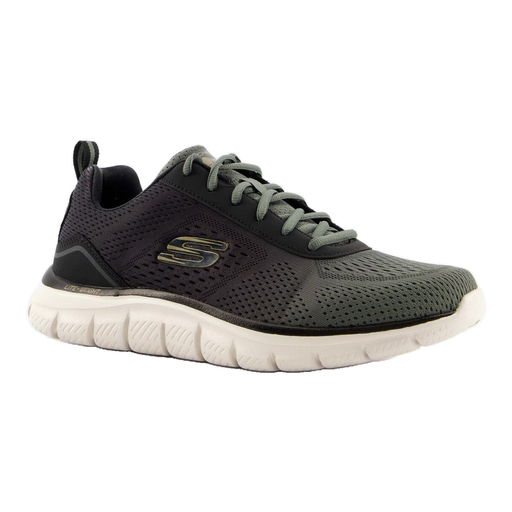
Why it suits this profile: A versatile option for walking, everyday wear and light sports activities. For intensive road running, a dedicated running shoe is a better choice.
The product information positions this model for sports and casual wear, rather than incorrectly presenting it as a trail or long-distance running shoe.
Memory Foam insole, mesh inserts and a treaded rubber outsole.
We’ve put together a complete, up-to-date list of products that meet these strict selection criteria and comply with the applicable European safety regulations.
Their lifespan depends on your body weight, running style, terrain, care routine and how often you train. Don’t judge by distance alone. Replace your shoes when the sole shows uneven wear, the foam feels permanently compressed or the heel no longer stays securely in place. Alternating between two pairs can help spread the wear.
They often are for easy road runs, but fit matters more than a soft sole alone. Beginners can choose a comfortable shoe with a secure heel fit, the right width and an outsole suited to their route. If possible, try the shoes on with the socks you’ll wear when running.
Price doesn’t automatically tell you whether a shoe is right for you. Compare the midsole, upper, tread, fit and intended terrain. A model with advanced construction isn’t necessarily a good choice if it’s too narrow or doesn’t suit the distance you run.
