
Vandaag of morgen in huis

Kwaliteit gegarandeerd

Welkomstaanbiedingen ontgrendelen: GRATIS bezorging | Tot 80% korting | Gratis 30 dagen JoyPlus-proefperiode
Download de app
Buying the right men’s running shoes seems simple, until you have to choose between dozens of models featuring terms such as responsive cushioning, energy return and optimal support. But a striking design or well-known brand name doesn’t automatically mean a shoe is right for your running goals.
For runners in the Netherlands, intended use, fit and running surface are particularly important. Do you mainly run on city roads, train several times a week or want men’s sports shoes for short, recreational runs? Different features may matter depending on how you plan to use them.
A soft midsole can feel comfortable when you try a shoe on, but that doesn’t mean it’s suitable for long distances or everyday use. When choosing cushioned running shoes, also consider stability, weight and how the sole springs back.
For short runs, a comfortable, soft sole may be enough. If you run longer distances, you may benefit more from a combination of cushioning and a durable outsole that won’t wear down quickly.
An EU size isn’t identical across every model. Toe-box shape, midfoot width and the amount of room around the toes can all vary. So check the stated foot length in millimetres or centimetres, and compare it with your own measurement.
Measure your feet at the end of the day, wearing the socks you run in. Allow some room for your toes in running shoes. Shoes that are too tight can become uncomfortable on longer runs, while shoes that are too roomy may feel less secure.
Not every sports shoe is a running shoe. Everyday models can be perfectly suitable for walking or casual wear, but may lack features you need in running shoes designed for training. So check the sole construction, upper and description of the shoe’s intended use.
The midsole largely determines how a shoe feels. EVA, Dreamstrike, Lightstrike and Bounce are names for different materials or technologies. According to the brands’ product descriptions, these are designed to provide comfort, responsiveness or support. Treat this as product information, not a guarantee of a particular running experience.
A mesh or textile upper generally allows more air to circulate than a largely closed synthetic material. This can be useful during longer runs or in warm weather. Also check the fit around the midfoot. Adjustable laces or a well-fitting tongue can help you get a secure fit.
A rubber outsole is often a practical choice for roads, cycle paths and paved parks. If you regularly run on wet paths or different surfaces, it’s worth checking the tread and rubber coverage.
A sole featuring Continental Rubber, Adiwear or a similar brand name should be assessed based on the specific product description. According to the brands’ own information, these outsoles are designed to provide grip and durability. Actual lifespan also depends on running style, weight, surface and care.
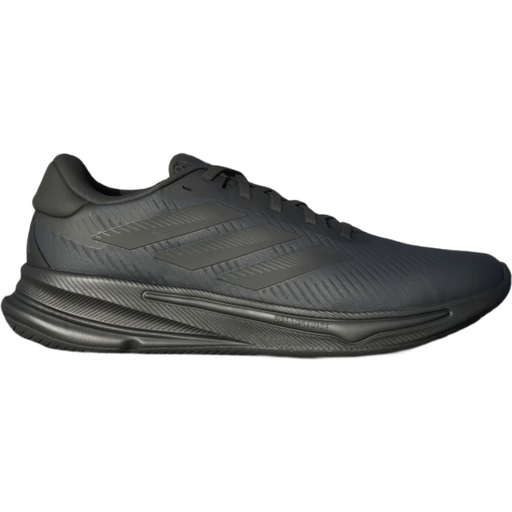
Why it suits this type of runner: The product description says this model is suitable for short to medium distances and for building a running routine. Its breathable mesh and regular fit are practical features for beginners.
The intended use and size are clearly stated. Still, check that a foot length of 26,5 cm matches your measurement.
Dreamstrike foam, mesh upper, rubber studded outsole and lace fastening.
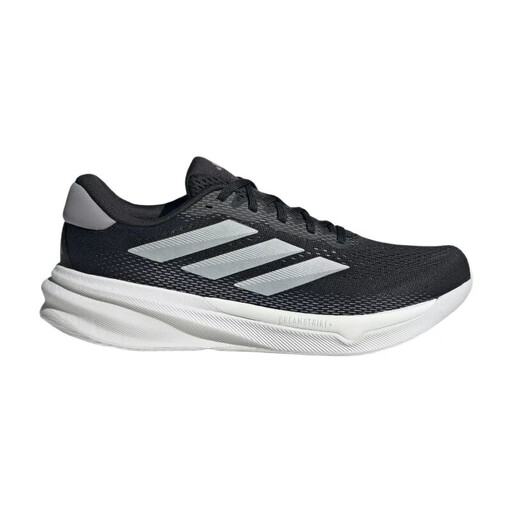
Why it suits this type of runner: This model is described as a training shoe for longer runs. The combination of Dreamstrike+, EVA and an Adiwear rubber outsole suits runners looking for comfort and grip for everyday mileage.
The product details list the materials, midsole and outsole separately. This makes it easier to compare comfort and grip.
Mesh upper, hybrid midsole, Adiwear rubber and at least 20% recycled and renewable materials, according to the product information.
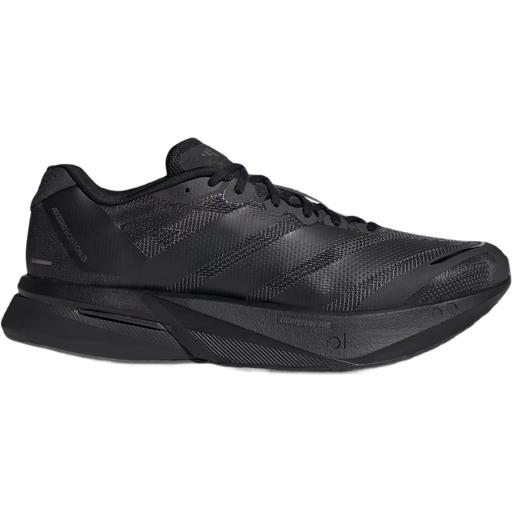
Why it suits this type of runner: According to the product information, this model is designed for intensive training and race preparation. Its lightweight textile construction and close midfoot fit suit runners who prioritise pace.
Its intended use is clearly defined as speed training and race preparation, rather than as an all-purpose everyday shoe.
Lightstrike Pro, ENERGYRODS, Lighttraxion outsole and Continental Rubber, according to the product specifications.
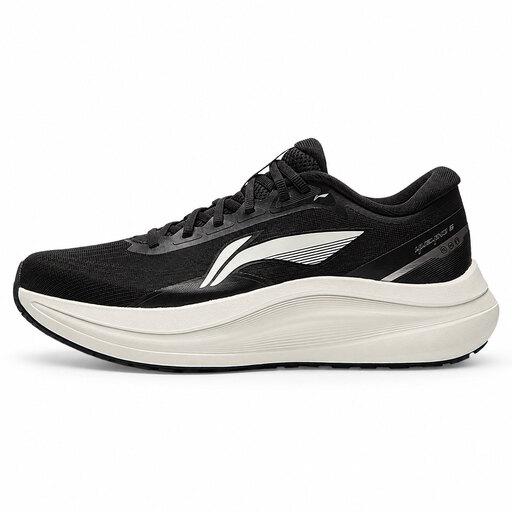
Why it suits this type of runner: The product description mentions a wider toe box and a less close-fitting feel. This may appeal to runners who find standard models short on room.
The size guidance specifically mentions foot width and a preference for extra room. Compare this with your own foot measurements.
Wide toe box, Tempo Bounce midsole, rubber outsole and grip zones, according to the product information.
For many men in the Netherlands, running shoes in sizes 42, 43 and 44 are common search terms, but the number alone isn’t enough. The range includes, for example, sizes 42, 42 2/3, 43 1/3 and 44 2/3. These half sizes may be useful if your foot length falls between two standard sizes.
Use this checklist:
Clean running shoes with a damp cloth and leave them to air-dry, unless the label gives different instructions. Machine washing, bleach and direct heat can damage materials and bonded seams.
We’ve put together a complete, up-to-date list of products that meet these strict selection criteria and the applicable European safety requirements.
It depends on how often you run, the surface, your body weight, running style and how well you care for them. Don’t just look for visible wear. An unevenly worn sole or an upper that no longer fits securely may mean it’s time to replace your shoes. Store running shoes somewhere dry and, ideally, don’t also use them as everyday casual shoes.
They can be, but it depends on the model. According to its product description, the Supernova Ease is designed for short to medium distances and for building a running routine. The Adizero Boston 13, by contrast, is described as suitable for intensive training and race preparation. Choose according to intended use, not just the brand.
Prices vary depending on the materials, sole construction, brand and intended use. So compare more than just prices: check size availability, cushioning, grip, breathability and care instructions too. Choosing a model that suits your training can help you avoid having to buy another pair because of a poor fit or using the shoes for the wrong purpose.
