
Vandaag of morgen in huis

Kwaliteit gegarandeerd

Welkomstaanbiedingen ontgrendelen: GRATIS bezorging | Tot 80% korting | Gratis 30 dagen JoyPlus-proefperiode
Download de app
Buying a pair of men's running shoes seems straightforward – until you have to choose between cushioning, stability, breathability, grip and sizing. Marketing copy often uses terms such as “responsive”, “all-terrain” and “comfortable” without explaining what they mean in practice.
There are three common pitfalls for runners in the UK:
The midsole has a major influence on how a shoe feels. Models with EVA foam, Dreamstrike foam or similar materials are designed to make each landing feel softer. This makes them worth considering as cushioned running shoes for short to middle-distance runs and everyday training.
More cushioning isn't automatically better. A soft sole can feel comfortable on easy runs, while a firmer, more responsive model may suit tempo training better. Focus on what you plan to use the shoes for, rather than choosing based on claims such as “maximum cushioning”.
A mesh upper generally lets more air through than synthetic leather. That's useful for indoor training, warm days and longer walks. Breathable running shoes are particularly worth considering if your feet tend to get hot.
Pay attention to the construction around the midfoot, too. Laces and a well-fitting upper help keep your foot in place. According to adidas product information, the Supernova Ease and Supernova Stride 2 have a mesh or synthetic mesh upper with a textile lining.
For tarmac, treadmills and paved cycle paths, a rubber outsole with a relatively flat tread is usually enough. If you run on woodland paths, mud or loose surfaces, a trail running shoe with deeper lugs and a more durable tread may be a better choice.
Also check brand claims carefully. According to PELLIOT product information, ROCKYTEC rubber is designed to provide grip on surfaces including wet rocks, mud and sand. This is a manufacturer specification, not a guarantee that every runner will have the same experience on every surface.
Measure your feet at the end of the day, wearing the socks you usually run in. Compare the measurement with the size chart on the product page. Keep the following in mind:
The range includes size 42 running shoes, size 44 and size 44 2/3. The adidas Supernova Ease is available in size 42, while the supplied product variant of the Supernova Stride 2 is size 44 2/3. Check the current stock and size chart on the product page before ordering.
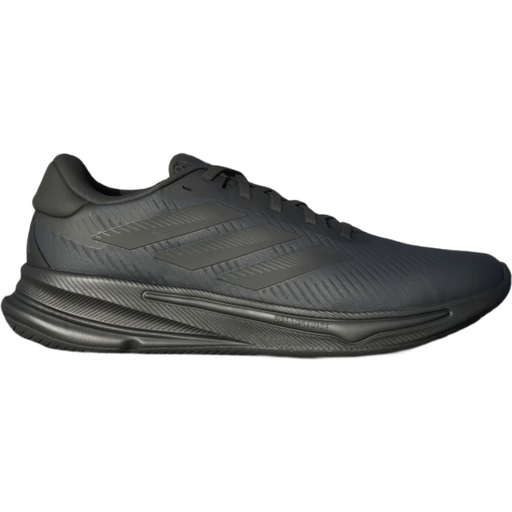
Why it suits this profile: According to the product information, this model is designed for short to middle-distance runs and building a running routine. Its regular fit, mesh construction and Dreamstrike midsole suit recreational runners looking for one pair for training and everyday wear.
The product details specifically list a mesh upper, Dreamstrike foam and a rubber studded outsole. This gives you a clearer idea of what you're buying than a generic description of a black trainer.
Mesh upper, full-length Dreamstrike midsole, adjustable lace fastening and size 42, with a stated foot length of 26,5 cm.
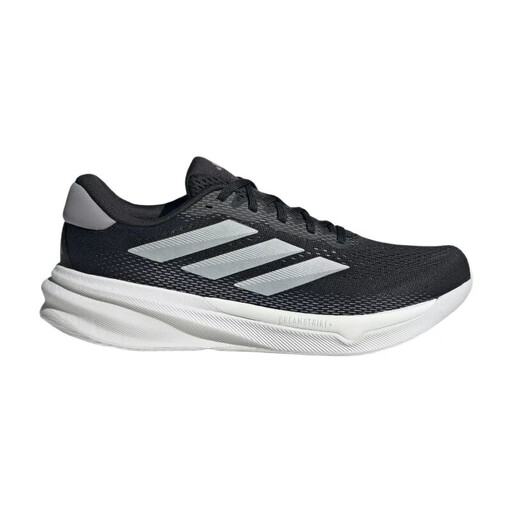
Why it suits this profile: According to the product description, this adidas model is designed for longer training sessions. The combination of Dreamstrike+, EVA and Adiwear suits runners who train regularly and value ventilation and a durable outsole.
The specifications cover more than comfort: they also name the sole materials, mesh upper and intended training use. This makes it easier to distinguish a training shoe from a fashion trainer.
Textile and synthetic mesh, a hybrid Dreamstrike+ and EVA midsole, an Adiwear rubber outsole, and at least 20% recycled and renewable materials, according to adidas.
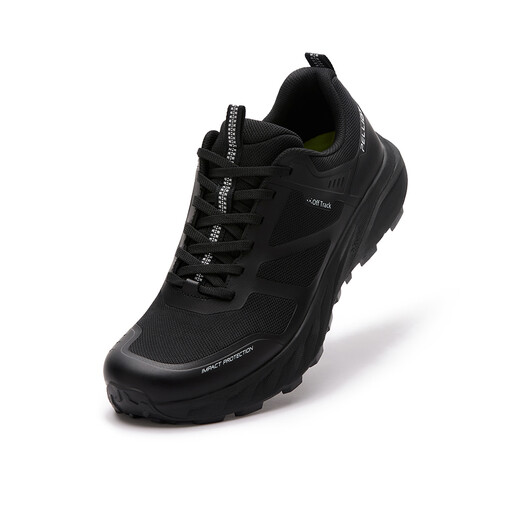
Why it suits this profile: This model is designed for the transition from road to trail and for use on a range of surfaces. It suits runners who include woodland paths, sand or mud in their training as well as tarmac.
The product information specifies a more aggressive ROCKYTEC rubber tread and an EVA midsole. This makes it clear that it's not a smooth-soled casual trainer intended solely for city use.
Sandwich mesh and woven upper, elastic EVA midsole, rubber outsole and size 44, with a stated foot length of 27 cm.
Clean your running shoes with a damp cloth unless the care label says otherwise. Many models in this selection shouldn't be machine-washed. Leave them to dry at room temperature and avoid radiators or other direct heat sources.
How long they last depends on how often you run, your body weight, the surface, storage and the type of sole. Don't replace a pair based only on a set timeframe. Look for a visibly smooth tread, cracks, lasting deformation of the midsole or a noticeable change in fit. Avoid using trail models exclusively on tarmac if you want to preserve the lugs for as long as possible.
We've put together a complete, up-to-date list of products that meet these strict selection criteria and the applicable European safety regulations.
Choose a model with a comfortable fit, enough cushioning, a breathable upper and an outsole suited to tarmac or the treadmill. For short to middle-distance runs, models such as the adidas Supernova Ease are designed for everyday training, according to the product description.
Measure both feet in centimetres and use the larger measurement. Compare it with the size chart for the specific model. Don't rely on EU size alone: size 44 and 44 2/3 can correspond to different foot lengths depending on the brand or shoe.
The price depends on the materials, midsole, sole construction, brand and intended use. So compare more than just the selling price: check the specifications, warranty terms, size availability and expected use, too. A training shoe and a black casual trainer aren't directly comparable, even if they look similar.
