
Vandaag of morgen in huis

Kwaliteit gegarandeerd

Welkomstaanbiedingen ontgrendelen: GRATIS bezorging | Tot 80% korting | Gratis 30 dagen JoyPlus-proefperiode
Download de app
Buying a pair of men's running shoes sounds straightforward, until you have to choose between cushioning, grip, stability, water resistance and fit. Marketing terms do not always make it clear which features suit your needs. A shoe for tarmac feels different from a model for muddy woodland paths, while a lightweight running shoe is not automatically suitable for long distances.
The most common poor purchases result from three pitfalls:
The midsole determines how the shoe feels with every step. EVA foam is widely used because it combines low weight with shock absorption. Do not just consider the amount of cushioning; think about the terrain and your running style too.
For tarmac and paved cycle paths, cushioned running shoes are often a sensible choice. A more responsive feel can be preferable for short, fast sessions. If you run longer distances or also use your shoes every day, you may appreciate extra comfort. According to the product description, the adidas Galaxy 7 M has a Cloudfoam midsole for cushioning and support during longer distances. That is a product specification, not a guarantee that the shoe will feel the same for every runner.
For trail running, cushioning is just one part of the equation. An overly soft sole can feel less stable when you are running over stones, tree roots or sloping paths.
If you are looking for running shoes with good grip, consider:
A relatively flat tread is usually sufficient for city runs and tarmac. For trail running shoes, deeper lugs and hard-wearing rubber are more practical. On gravel and mixed routes, a hybrid option can be appealing: enough tread for loose surfaces without making the shoe uncomfortable on tarmac.
According to the product information, the Salomon DRX DEFY GRVL uses an All Terrain Contagrip sole and is designed for gravel and mixed terrain. The Salomon XA Pro 3D v9 GTX, on the other hand, is described as having a Contagrip sole for wet and dry surfaces, together with a 3D Advanced Chassis for support on technical trails.
Finding the right size starts with your foot length, not just the number on your old shoes. Measure both feet at the end of the day and compare the measurements with the size chart for the specific model. A size 42 can vary in shape between brands and models.
Pay attention to these points:
Mesh is generally designed to provide ventilation. A waterproof version, such as the Salomon XA Pro 3D v9 GTX with a GORE-TEX membrane according to the product description, is better suited to wet walks, rainy trails and muddy conditions. For warm summer days, an open, breathable upper may be more practical. “Waterproof” also does not mean that water can never get in through the ankle area, tongue or upper edge.
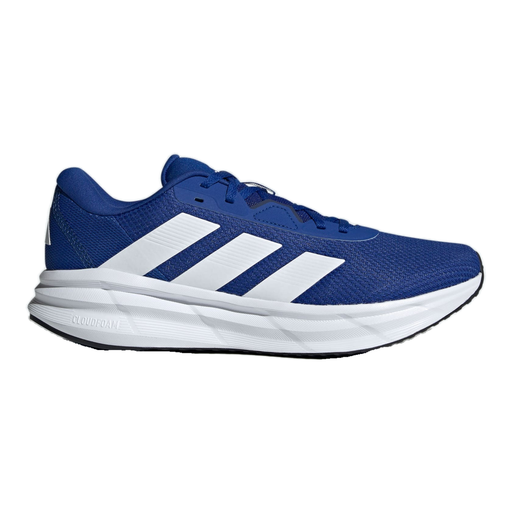
Why it suits this profile: A regular-fit model for beginner runners who mainly train on tarmac, pavements or cycle paths and want one pair of men's sports shoes for everyday use.
The product information lists specific features such as Cloudfoam cushioning, a textile upper and a TPU outsole, rather than relying solely on general performance claims.
Regular fit, textile lining and a listed foot length of 270 mm for EU 42.

Why it suits this profile: For outdoor enthusiasts who combine trail runs, walks and wet Dutch paths, and value water resistance and support.
The waterproof feature is linked to the GORE-TEX membrane stated in the product information. However, check the fit and ventilation for your intended use.
GORE-TEX membrane, 3D Advanced Chassis and Contagrip outsole according to the product specifications.
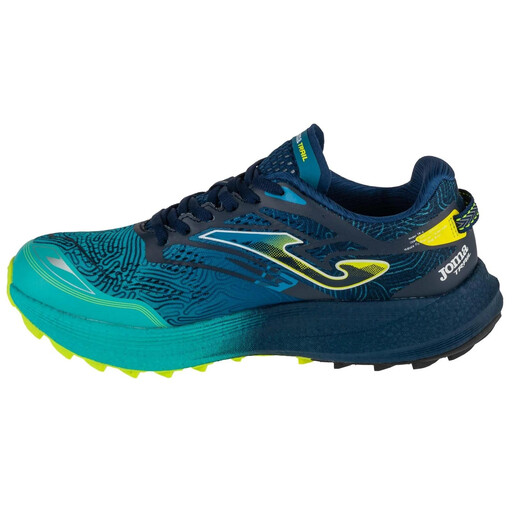
Why it suits this profile: For trail runners looking for a model for uneven routes, everyday training and paths with stones or loose surfaces.
According to the product description, the model combines a mesh upper with synthetic reinforcement, an EVA midsole and reinforced toe and heel areas.
High-traction rubber sole, breathable mesh and a standard fit in size 44.
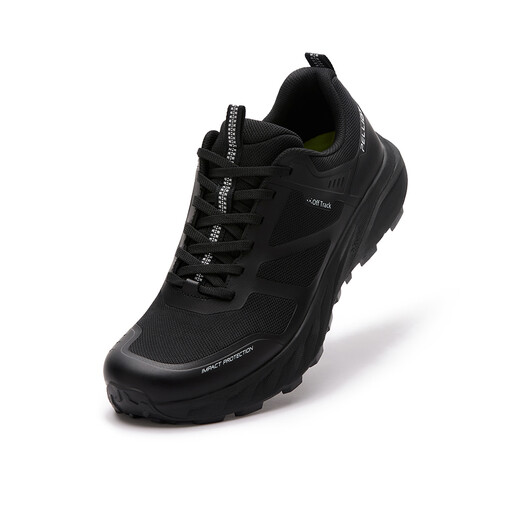
Why it suits this profile: An option for anyone wanting to use one pair of unisex running shoes on tarmac, gravel and light trails.
The product information lists a standard and slim fit, along with sizing guidance based on foot length. This allows you to make a more informed choice than relying on the EU size alone.
Lightweight sandwich mesh, EVA midsole and ROCKYTEC rubber according to the product description.
Lifespan depends on your running style, body weight, surface, storage and maintenance. Do not just consider how many months you have had the shoes; look out for visible wear:
Clean off mud with a damp cloth and let the shoes dry at room temperature. Avoid radiators, hairdryers and strong direct sunlight. Some models, such as the PELLIOT shoes, are described in the product information as suitable for hand washing and air drying. Always check the specific care instructions.
The same checks apply to women's running shoes and unisex models: foot length, width, heel hold, cushioning and tread pattern matter more than the department in which the product is listed. A women's model may have a different shape, but fit also varies considerably between brands.
We have put together a complete, up-to-date list of products that fully meet these strict selection criteria and the applicable European safety regulations.
The heel should stay firmly in place without creating pressure points. Some room around the toes is desirable, especially on longer runs. Your toes should not touch the front of the shoe when running downhill or when your foot slides forwards.
Replace them when cushioning, tread or stability has noticeably deteriorated. There is no universal mileage figure that applies to every model and every runner. Keep track of training frequency, terrain and visible wear.
They can be used for short stretches, but deeper lugs wear more quickly on hard surfaces and may feel less flexible. For regular tarmac use, road shoes or road and trail shoes are generally more practical. Use a trail model mainly when grip and protection on off-road paths are your priorities.
