
Vandaag of morgen in huis

Kwaliteit gegarandeerd

Welkomstaanbiedingen ontgrendelen: GRATIS bezorging | Tot 80% korting | Gratis 30 dagen JoyPlus-proefperiode
Download de app
Choosing the right men’s running shoes may seem straightforward, until you have to decide between cushioning, grip, waterproofing and fit. A shoe that feels comfortable during a short walk may not be suitable for a long run or technical woodland trail.
Many disappointing purchases come down to three recurring pitfalls:
For training running shoes, the midsole is an important consideration. EVA, Dreamstrike+, Bounce 2.0, Energy Foam and similar foam materials each have a different construction. Don’t just look at the name; focus on:
Cushioned running shoes can be comfortable for longer, easy-paced training sessions, but a softer sole does not feel stable to every runner. For speed sessions or race preparation, a more responsive model may be a better fit. Carbon plates and rigid support structures are not automatically suitable for everyday use either.
For tarmac, cycle paths and the treadmill, a rubber outsole with a relatively flat tread is usually sufficient. For gravel and woodland surfaces, deeper lugs and a more aggressive pattern are more practical. When choosing men’s trail running shoes, therefore, check the sole construction and intended terrain.
Contagrip, Adiwear, Continental Rubber and GCU are brand names or product terms. According to the product information provided by the respective brands, these rubber outsoles are designed to offer grip and durability. Treat this as a product specification, not a guarantee that every outsole will provide the same grip on every wet or slippery surface.
Running shoes with GORE-TEX or other waterproof membranes can be useful for rainy walks and wet trails. However, a membrane often reduces ventilation compared with an open mesh upper. For warm days or intense training sessions, a breathable upper may therefore be more practical.
Pay attention to width, too. If you are looking for men’s running shoes in large sizes, don’t just consider the size number; check the available last as well. A model in a larger size is not automatically wider. For broader feet, a Wide version may offer more room around the forefoot.
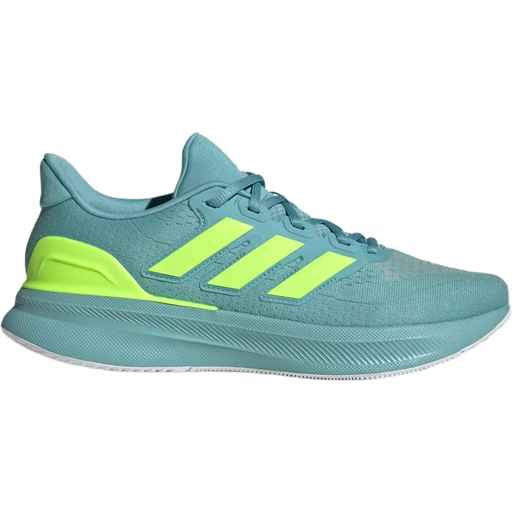
Why it suits this profile: This model is designed for daily runs, light training and casual use. The combination of textile mesh, a Cloudfoam insole and a rubber outsole is well suited to anyone looking for one versatile pair.
The product information lists specific materials and care instructions rather than relying solely on general performance claims. Still, check beforehand that the foot length and fit are right for you.
Lightweight textile mesh, a Cloudfoam insole and an Adiwear rubber outsole according to the product description.
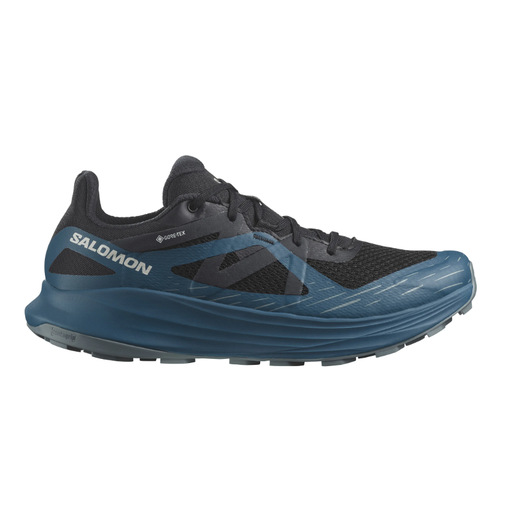
Why it suits this profile: A practical choice for runners who combine road running with light off-road routes and want extra protection from rain. The higher midsole and mixed-terrain outsole are suited to longer recreational training sessions.
Here, GORE-TEX refers to a specific membrane rather than simply using the term waterproof. Bear in mind that ventilation is lower than with fully open mesh.
GORE-TEX membrane, EVA midsole and Contagrip outsole according to Salomon’s product information.
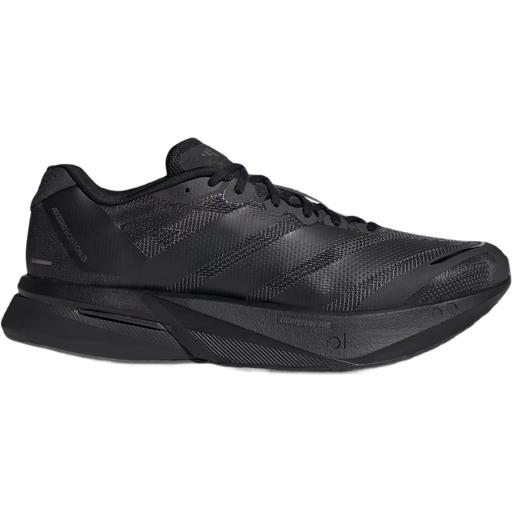
Why it suits this profile: According to the product description, this model is intended for intensive training and race-day preparation. It is suited to runners who value speed and a firm, close-fitting feel.
The choice is based on the stated sole construction and intended use, not just the model name. A close fit is less suitable if you need plenty of extra room for your toes.
Lightstrike Pro, ENERGYRODS and Lighttraxion with Continental Rubber according to adidas product information.

Why it suits this profile: A mid-height walking and trail shoe for longer outings, uneven terrain and wider feet. The Wide version provides more room than a standard last.
The wide fit is explicitly stated in the product information. This means you do not have to choose a larger size simply to create more room.
Wide fit, GORE-TEX membrane and Contagrip sole according to Salomon’s product information.
Measure both feet at the end of the day while standing. Compare the longer foot with the size chart for the specific model. When running, leave some room around the toes; your feet may swell slightly over longer distances. Wear the socks you normally use for sport.
Also check the returns policy before ordering. Try on new men’s Adidas running shoes or men’s Salomon running shoes indoors wherever possible. This keeps the sole and upper in good condition while you assess the fit.
Clean your shoes after a wet training session with a soft brush or damp cloth. Let them dry at room temperature, not on a radiator. A waterproof model remains practical only if the membrane and seams are not damaged.
We have put together a complete, up-to-date list of products that fully meet these strict selection criteria and the applicable European safety regulations.
Their lifespan depends on body weight, running style, surface, care and training frequency. Look out for flattened tread blocks, cracks in the upper or a midsole that feels less even than before. Don’t focus solely on a fixed number of kilometres; wear varies from one user to another.
Not always. Waterproof running shoes are practical in rain and on wet paths, but a breathable mesh model may feel more comfortable in warm weather or during intense training. Choose GORE-TEX mainly when protection from moisture is more important than maximum ventilation.
That depends on your routes. If you mainly run on tarmac, standard training running shoes are a sensible choice. If you regularly run through woodland, on gravel or in mud, men’s trail running shoes with extra tread will be more suitable. For long walks, men’s walking and trail shoes often provide more ankle support and protection than a low-cut road-running shoe.
