
Vandaag of morgen in huis

Kwaliteit gegarandeerd

Welkomstaanbiedingen ontgrendelen: GRATIS bezorging | Tot 80% korting | Gratis 30 dagen JoyPlus-proefperiode
Download de app
Buying the right men’s running shoes sounds simple until you come across terms such as energy return, carbon plate, maximum cushioning and all-terrain grip. A shoe that looks fast or comfortable on paper will not necessarily suit your feet, pace or running surface.
Pay particular attention to these three common pitfalls:
The midsole largely determines how the shoe feels. EVA foam is often used to provide a soft, stable foundation. Other types of foam are designed to offer a more direct feel or greater energy return.
For daily training and long-distance running shoes, a comfortable midsole can be particularly useful. For speed sessions and races, you may prefer a more direct transition. Do not look only at the name of the foam, but also consider:
According to the product description, the Adidas Adizero Boston 13 uses a Lightstrike and Lightstrike Pro midsole with ENERGYRODS. This makes the model an interesting option for training and racing running shoes, although its firm, performance-focused construction may not be comfortable for every beginner.
The wrong size is more likely to cause problems than a missing technical feature. Ideally, measure your feet at the end of the day and wear the socks you plan to run in. For longer distances, allow a little extra room around the toes.
Look out for the difference between:
The LI-NING Red Hare 9 Ultra is described in the product information as a model with a close-fitting racing fit. The Red Hare 9 Pro, by contrast, has a wider base and more room in the toe box. This difference matters more than a general claim about comfort.
Also check the size chart for each listing. Some product listings may show the EU size, foot length and international size notation alongside one another. Do not choose blindly based on the size of your old trainers.
For tarmac, cycle paths and treadmills, a rubber outsole with a relatively flat profile is usually sufficient. If you are looking for running shoes with good grip for wet paths, gravel or woodland trails, a deeper and more flexible tread will be more suitable.
When choosing men’s trail running shoes, check:
According to the product description, the Salomon DRX Defy GRVL features Active Chassis, Energy Foam and an All Terrain Contagrip outsole. This means the model is aimed at gravel and mixed paths. On smooth tarmac, a trail tread can feel different from that of a standard road-running shoe.
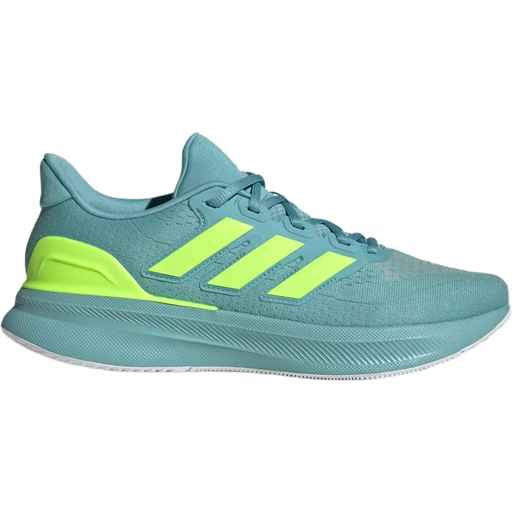
Why it suits this profile: According to the product description, this model combines a Cloudfoam insole, a breathable textile upper and a rubber outsole. That makes it suitable for beginners looking for a shoe for easy runs and everyday use.
The product information focuses on daily runs rather than exaggerated racing claims. Do check the displayed size, however, as the listing includes different size notations.
Textile mesh for ventilation, a Cloudfoam insole and a rubber outsole for everyday use.
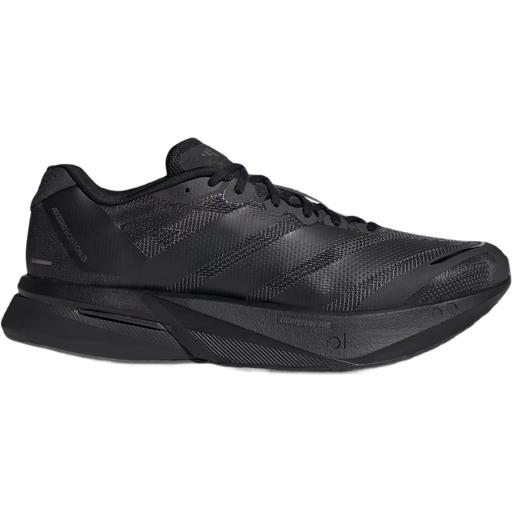
Why it suits this profile: According to adidas, this model is designed for intensive training in preparation for race day. The Lightstrike Pro midsole, ENERGYRODS and Continental Rubber at the forefoot suit runners who combine speed sessions with race preparation.
The choice is based on specific components and the stated intended use, rather than simply the word “lightweight”. The shoe may be less suitable if you only run at an easy pace.
Lightweight textile upper, responsive midsole and Continental Rubber at the forefoot.
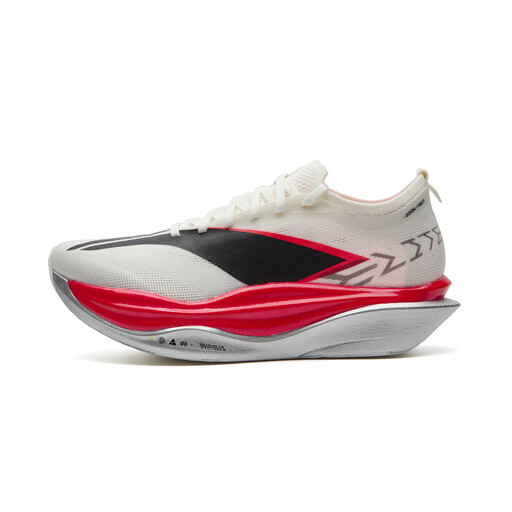
Why it suits this profile: The product description mentions a Super BOOM Capsule midsole, a T1000 carbon-fibre plate, a bootie construction and a GCU outsole. This combination is aimed at runners preparing for a marathon or race-specific training.
A carbon plate does not automatically make the model suitable for every runner. Try this type of shoe during training first and check whether its firm fit suits your running style.
Carbon-fibre plate, race-focused fit and GCU outsole according to the product information.
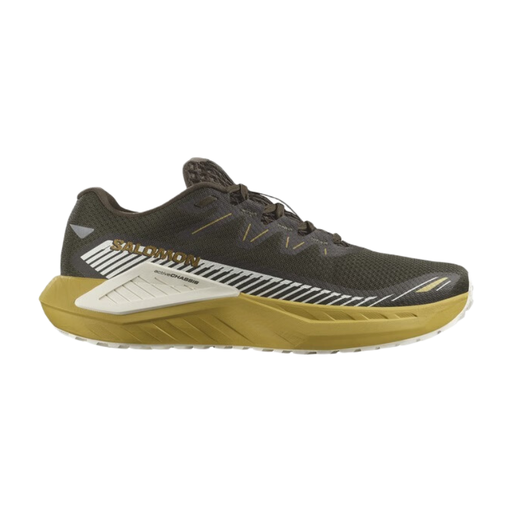
Why it suits this profile: According to Salomon, this model was developed for gravel and mixed terrain. Active Chassis, Energy Foam and All Terrain Contagrip are suitable for runners who switch between tarmac, gravel paths and off-road routes.
You choose the tread based on the terrain rather than cushioning alone. For smooth tarmac only, a road-running shoe may feel more appropriate.
Active Chassis for support, Energy Foam and Contagrip rubber for mixed surfaces.
For a broader comparison of running racing shoes, you could also consider the LI-NING Red Hare 9 Ultra and Red Hare 9 Pro. According to the product description, the Ultra uses a three-layer BOOM midsole and a fibreglass plate. The Pro has a wider base, dual-layer BOOM foam and a rocker shape. The former focuses more on a close-fitting racing fit, while the latter may be more appealing to runners looking for additional room and stability.
The LI-NING Feidian 6 Challenger is a less specialised option for daily training and faster efforts. According to the listing, the PELLIOT Road Running Shoes combine an EVA midsole with a ROCKYTEC outsole and are designed for road-to-trail use. For versions featuring Vibram Megagrip, check that it is actually listed for the variant you have selected.
We have put together a complete, up-to-date list of products that fully meet these strict selection criteria and the applicable European safety regulations.
Their lifespan depends on your body weight, running style, running surface, training frequency and how well you look after them. Look for wear on the tread, tears in the upper and a midsole that has compressed or become uneven. There is no fixed mileage limit that applies to every model. If you rotate several pairs, allow your shoes to air and dry fully before wearing them again.
Choosing running shoes for a marathon starts with the type of runner you are. A plated racing model with a lightweight construction may suit experienced runners who have trained in them beforehand. For many recreational runners, cushioning, a reliable fit and enough room around the toes are more important than low weight. Never run your first long race in an untested pair.
Measure both feet, use the larger foot as your reference and compare its length with the size chart for the specific model. Leave some room around the toes, but make sure your heel does not lift. Try shoes on with your running socks and check the size again if the product listing shows several international size systems.
