The vast selection of men's running shoes can be overwhelming. Every brand promises a unique experience, but how do you know which pair truly fits your feet and running style? This guide is designed to help. We'll cut through the marketing jargon and focus on what really counts: the specs, the intended use, and the features that make a shoe right for you. Whether you're a beginner or training for a race, you'll find practical information here to make an informed decision.
What to Look for When Choosing Running Shoes
Before we dive into specific models, it's helpful to understand a few basic principles. These factors will largely determine your comfort and performance.
1. Cushioning and Stability: What's the Difference?
These two terms are often confused, but they serve different purposes.
- Cushioned running shoes: These are designed to absorb the shock of impact upon landing. The amount of cushioning you need depends on your personal preference and the surface you run on. Do you run a lot on asphalt? Then extra cushioning can provide more comfort.
- Stability running shoes: These provide support to correct overpronation (the inward rolling of the foot). A stability shoe often has a firmer post on the inner side of the midsole to keep your foot and ankle in a neutral position.
2. The Surface: Road or Trail?
Where will you be doing most of your running? The answer determines the type of outsole you need.
- Road shoes: Made for flat, hard surfaces like asphalt and pavements. They are generally lighter and more flexible, with an outsole optimised for grip on paved roads.
- Men's trail running shoes: Designed for unpaved paths, forests, and hilly terrain. They feature a more rugged outsole with deeper lugs for maximum traction, a tougher upper that offers protection from rocks and branches, and are often water-repellent.
3. Your Running Goal: Daily Training or Speed?
Your goal influences the choice between durability and weight.
- Daily trainers: These are the workhorses. They are built to log miles and offer a great balance of cushioning, support, and durability. Ideal for most runners, including running shoes for beginners.
- Race day shoes: These are lighter and often more responsive, designed to help you run faster. They sometimes sacrifice durability in favour of speed.
Recommended Men's Running Shoes
Based on the criteria above, we've curated a selection of models with clear specifications for different types of runners.
Joma TR-6000 Men 2517
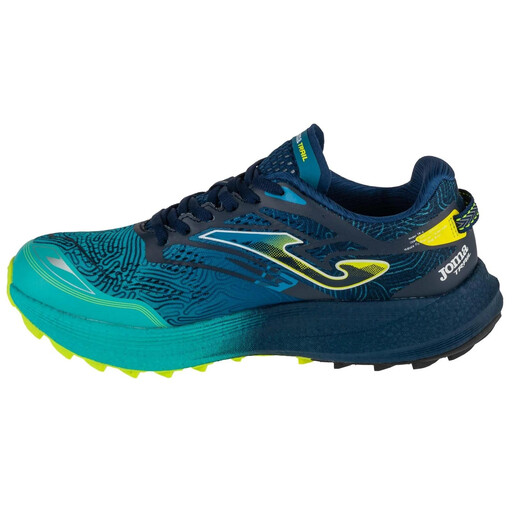
- Why It Stands Out: The Joma TR-6000 is specifically engineered for the challenges of unpaved terrain. The focus is on protection and grip, without sacrificing comfort during longer adventures.
- Key Features:
- High-traction rugged outsole: Provides reliable grip on uneven and slippery surfaces.
- Advanced shock absorption system: The midsole is designed to absorb the impact of landings.
- Reinforced toe and heel: Offers added durability and protection against rocks and debris.
- Breathable mesh upper: Keeps feet cool and supported.
- Who It's For: The ideal choice for trail runners seeking a reliable shoe for training on forest paths, muddy routes, and hilly terrain.
Adidas Supernova Ease M
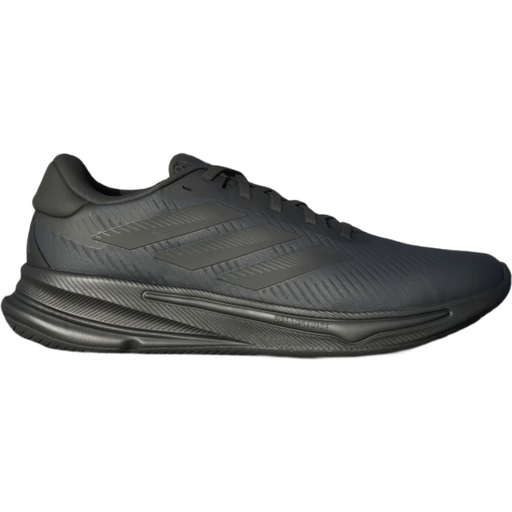
- Why It Stands Out: These Adidas running shoes are positioned as stable, daily trainers. The full-length Dreamstrike midsole is a key feature, focusing on soft cushioning.
- Key Features:
- Full-length Dreamstrike midsole: According to Adidas, this foam provides soft, responsive cushioning.
- Breathable mesh upper: Designed for excellent airflow and a secure fit.
- Stable design: Suitable for runners looking to build a routine or train for their first race.
- Durable rubber outsole: Provides grip and is built to last.
- Who It's For: An excellent option for beginner runners or those seeking a comfortable and stable shoe for daily training over short to medium distances.
Salomon Spectur
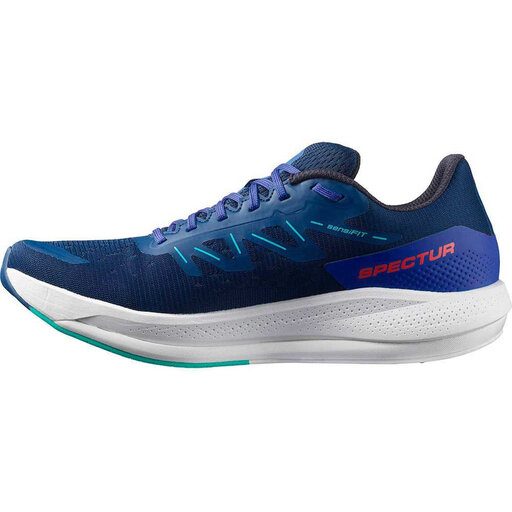
- Why It Stands Out: The Salomon Spectur focuses on efficiency and speed on the road. The combination of the Energy Surge midsole and the R.Camber rocker geometry is designed for a smooth and fast heel-to-toe transition.
- Key Features:
- Energy Surge foam: According to Salomon, it offers a combination of cushioning and energy return.
- R.Camber rocker geometry: This curve in the sole promotes a fluid and efficient gait cycle.
- Lightweight mesh upper: Ensures a great fit and ventilation without adding extra weight.
- Durable rubber outsole: Designed for grip and longevity on hard surfaces.
- Who It's For: Runners who focus on speed and performance on the road. Suitable for both daily training and races, with an emphasis on an efficient running style.
Didn't Find What You Were Looking For?
Comfort isn't just important while running. If you're looking for shoes that feel just as good after your workout—whether for the office or a night out—it's worth exploring further. For those who value comfort and style in their everyday life, we have a dedicated selection.
Check out our collection of ultra-comfortable men's dress shoes.
Frequently Asked Questions about Men's Running Shoes
How do I know if I need stability running shoes?
A simple way to get an indication is the "wet test." Wet your feet and step onto a piece of cardboard. If you see a full imprint of your foot (little to no arch), you likely have flat feet and could benefit from stability shoes. Another indicator is excessive wear on the inner edge of your old running shoes.
How important is cushioning in a running shoe?
Cushioning is primarily a matter of comfort and personal preference. It helps reduce the impact on your joints, which can be beneficial when running on hard surfaces like asphalt. Runners who cover longer distances often opt for more cushioning to reduce fatigue.
Can I use trail running shoes on the road?
Yes, you can, but it's not ideal. The deep lugs of a trail outsole will wear down faster on asphalt and can feel uncomfortable. Conversely, road shoes offer insufficient grip and protection on unpaved trails. It's best to use shoes designed for the surface you run on most often.
Sincerely,
Joybuy Product Recommendation Officer


