
Vandaag of morgen in huis

Kwaliteit gegarandeerd

Welkomstaanbiedingen ontgrendelen: GRATIS bezorging | Tot 80% korting | Gratis 30 dagen JoyPlus-proefperiode
Download de app
A men's outdoor jacket should suit the purpose you are buying it for. A jacket for cycling to work every day in the Netherlands has different requirements from a men's trekking jacket for mountainous terrain. Yet many shoppers are guided mainly by the brand name, colour or a term such as “all-weather”. That can lead to a disappointing purchase.
Pay particular attention to these three common pitfalls:
For a waterproof men's jacket, more details matter than just the word “waterproof”. Check whether the seams are taped or sealed, whether the hood is adjustable and whether the zip has a storm flap. Water can enter through seams, zips and openings around the wrists.
A windproof men's jacket often has adjustable cuffs, a drawcord in the hem and a close-fitting collar. For commuting, a compact men's rain jacket may be sufficient. For a hike or a jacket for camping, a longer back, secure pockets and an adjustable hood are more practical.
Also pay attention to the wording on the product page. When a brand attributes a particular performance to a membrane or coating, you should read this as a product claim made by the brand, not as a universal guarantee in all conditions.
A fleece-lined men's jacket is suitable for cool weather and everyday use, but not every fleece lining provides the same level of warmth. Look at the material, thickness and whether there is room to wear a mid-layer underneath.
A 3-in-1 men's jacket usually consists of:
A down layer can provide plenty of warmth at a relatively low weight. For down products, check the fill power, the amount of filling and whether a recognised responsible certification is mentioned. The The North Face Triclimate model in this selection lists 550 fill power down, and the product information refers to the Responsible Down Standard. These are verifiable specifications; they do not mean that the jacket is suitable for every temperature or activity.
A breathable outdoor jacket helps move moisture-laden air away from the body during activity, but the result also depends on your pace, the temperature, your clothing layers and ventilation. For trekking, walking or running, underarm ventilation zips, lightweight fabric and a fit that is not too tight are useful.
Also check:
A jacket that is too tight restricts your freedom of movement. An overly loose jacket can let more wind through and feel less comfortable when cycling or running.
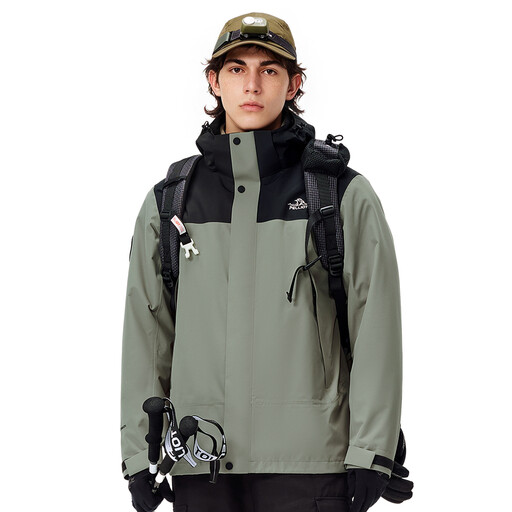
Why it suits this profile: The separate outer and inner layers make this jacket suitable for commuting, camping and walks in changeable weather.
The product description lists a 3-in-1 system, a microporous membrane, taped seams and a thermal inner layer. Before buying, check the current size guide and care instructions.
Outer layer, inner layer or combination; abrasion-resistant outer fabric; machine washable on a cold, delicate cycle according to the product information.

Why it suits this profile: This The North Face men's jacket is aimed at those who want to use one system in different weather conditions and on longer walks.
The product information states that the outer layer and down inner jacket can be worn separately or together. Taped seams and underarm ventilation zips are also listed.
550 fill power down; GORE-TEX outer material according to the product page; adjustable hood, hem and cuffs.

Why it suits this profile: According to the product description, this jacket is designed for running and training in rainy weather, when a lightweight protective layer is important.
The product page lists sealed seams, a hood with elastic binding and a water-repellent DWR finish. This makes the jacket easier to assess than a model with only a general claim about rain protection.
DryVent material according to the product information; 100% recycled polyester; zipped pockets and adjustable cuffs.
We have put together a complete, up-to-date list of products that fully meet these strict selection criteria and the applicable European safety regulations.
Always use the size guide for the specific model. An M from one brand may fit differently from an M from another. Ideally, measure your chest wearing a thin shirt and compare it with the guide.
Do you often wear multiple layers? Do not automatically choose a larger size. First check the fit and shoulder width. The PELLIOT jacket lists separate sizes for the outer and inner jackets. This helps you assess how much room there is when both layers are worn together.
For The North Face models, pay attention to the stated chest, hip and sleeve measurements. A standard fit may be comfortable for everyday use, but extra room around the shoulders can feel more comfortable during trekking.
An outdoor jacket will remain usable for longer if you follow the care label. Close zips and hook-and-loop fastenings before washing, use a mild detergent and avoid bleach. Do not wash a jacket unnecessarily often; airing it out is often sufficient for light odours.
With a men's rain jacket, the water-repellent outer layer may become less effective over time. Some manufacturers recommend reactivating or reproofing the DWR finish. For this, follow only the instructions on the label. Do not use fabric softener unless recommended, as it can affect the performance of technical fabrics.
Look for sealed or taped seams, an adjustable hood, secure zips and the waterproof technology used. A lightweight shell is practical for cycling and walking, while an insulated 3-in-1 jacket offers greater flexibility in cold weather.
A 3-in-1 system can be suitable for several seasons because you can wear the layers separately. Its actual versatility depends on the insulation, the protection provided by the outer layer and the clothing you wear underneath. So check the product specifications rather than relying solely on the term “four seasons”.
Its lifespan depends on the fabric, seams, zips, how often you wear it and how well you care for it. A jacket that regularly rubs against rough rocks or branches will wear out faster than a model intended for everyday use. Store the jacket dry, follow the care label and reproof the water-repellent layer when recommended by the manufacturer.
