
Vandaag of morgen in huis

Kwaliteit gegarandeerd

Welkomstaanbiedingen ontgrendelen: GRATIS bezorging | Tot 80% korting | Gratis 30 dagen JoyPlus-proefperiode
Download de app
A men’s outdoor jacket needs to stand up to Britain’s changeable weather. Yet a coat that looks technical isn’t always right for every situation. A thin windbreaker, for example, blocks the wind but offers little warmth on a cold bike ride. A padded winter coat can be comfortable in town, but may feel too warm on a brisk walk.
So don’t just focus on the brand, colour or discount. Instead, pay close attention to the construction, sizing and the purpose the jacket is designed for.
A water-repellent outer layer makes light rain bead off the fabric temporarily. That doesn’t automatically mean the jacket can withstand a heavy downpour for long. So check whether the product information mentions a membrane, taped seams or a specific hydrostatic head rating.
A DWR treatment can also become less effective over time. Wash the jacket according to the label and avoid using harsh detergents. On some models, the water-repellent performance can be reactivated or re-treated following the product instructions.
A thick jacket isn’t necessarily warmer in all conditions. Warmth depends on factors such as the insulation, lining, wind resistance and the room for layering. A fleece-lined men’s jacket is often practical for the mid-season, while a padded men’s parka offers more protection in low temperatures and during long periods of standing still.
For walking or sport, a layering system is often more flexible than one very heavy coat.
A jacket that fits well over a T-shirt can feel tight over a jumper. So measure your chest circumference and check the size chart for the specific model. Also pay attention to sleeve length, shoulder width and the room around the armpits.
A jacket that’s too loose can let the wind in. One that’s too tight restricts movement and makes insulating layers less effective.
When looking for a waterproof men’s jacket, look for clear information about the outer fabric and seams. A waterproof membrane helps keep rain out, but the overall protection also depends on the zips, hood, cuffs and seams.
The product information for the THE North Face NF0A8DY2 mentions a DryVent outer fabric with sealed seams and a Non-PFC DWR finish. According to the product description, this model is designed for rainy weather and outdoor training. Always check the current product specifications and care instructions before buying.
For the PELLIOT 3-in-1 models, the product information includes a hydrostatic head of 35,900 mm H₂O and breathability of 16,000 g/m²/24 hours, measured according to JIS. These are technical values stated by the seller; they give an indication for comparison, but don’t alone determine how comfortable the jacket will be in practice.
A windproof men’s jacket is handy for cycling, walking and commuting. Check whether the jacket has adjustable cuffs, a drawcord at the hem or a well-fitting hood. These details help prevent draughts at the wrists, waist and neck.
For high-intensity activity, ventilation is just as important. A jacket with breathable fabric or pit zips can be more comfortable when climbing, running or going on long walks. A fully sealed jacket can feel warmer and more clammy during exertion.
A men’s winter jacket with synthetic padding is suitable for everyday use and is often easy to care for. A down-filled jacket can be light and warm, but needs extra attention when it comes to maintenance and moisture.
A men’s 3-in-1 jacket usually consists of an outer shell and a removable inner layer. You can wear the layers separately or together. That makes such a jacket usable across multiple seasons. Check that both layers stay securely attached and that the fit offers enough room.
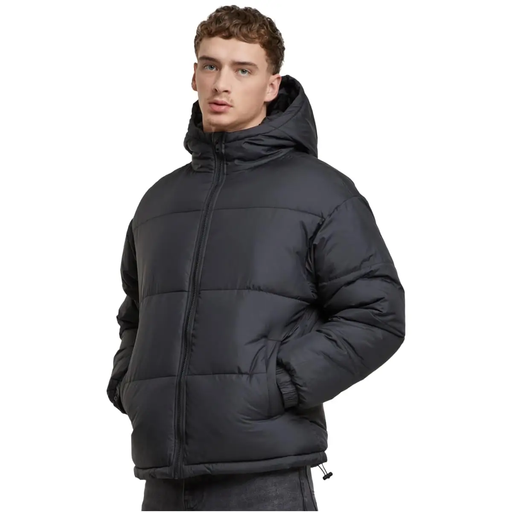
Why this fits the profile: A practical choice for everyday use, short walks and commuting in cold weather.
The product information separately lists the outer fabric, padding and lining. This lets you assess the warmth properties more accurately than relying on the term ‘winter jacket’ alone.
100% polyester padding, polyamide outer material and a hood. Available in multiple sizes.

Why this fits the profile: Ideal for anyone wanting one system for changeable weather, hiking trips and daily outdoor use.
According to the product description, the outer shell and inner jacket can be worn separately or combined. That means you don’t need a different men’s coat for each season.
3-in-1 construction, GORE-TEX material according to the product information, taped outer seam and 550 fill power down in the inner layer.
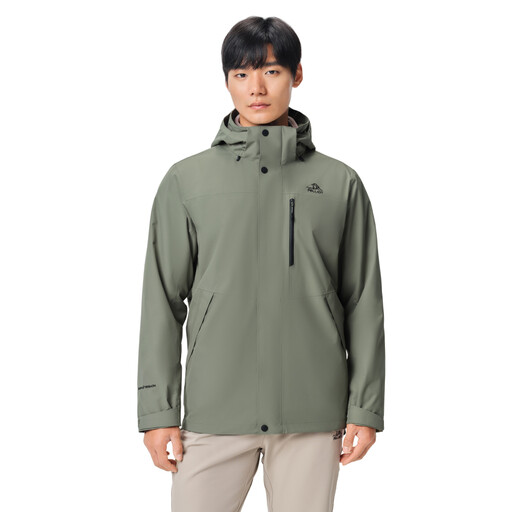
Why this fits the profile: Designed for camping, trekking and commuting where protection against rain, wind and wear is important.
The product information lists separate outer and inner sizes. That helps you assess the fit when you want to wear the jacket with layers.
3-in-1 system, adjustable hood and cuffs, fleece lining and stated values of 35,900 mm H₂O hydrostatic head and 16,000 g/m²/24 hours breathability.
We’ve put together a full, up-to-date list of products that fully meet these strict selection criteria and comply with current European safety regulations.
Always follow the care label. Close zips and Velcro fastenings, use a mild detergent and avoid bleach. Usually, hang the jacket to air dry. Only use a reproofing treatment if it’s suitable for the material. On some jackets, heat can reactivate the DWR finish, but only if the care label allows it.
That depends on the model. A parka is often warm and offers good coverage, but can be heavier and less breathable than a technical outdoor jacket. For gentle walks or everyday use, a parka can be practical. For more strenuous hikes, layers and ventilation zips are usually more important.
The lifespan depends on use, materials, washing and storage. Regularly check the seams, zips and water-repellent finish. A jacket that is washed correctly and stored dry will generally keep its fit and functionality for longer. When buying, also check the statutory guarantee and the seller’s terms and conditions.
