
Vandaag of morgen in huis

Kwaliteit gegarandeerd

Welkomstaanbiedingen ontgrendelen: GRATIS bezorging | Tot 80% korting | Gratis 30 dagen JoyPlus-proefperiode
Download de app
A jacket that seems suitable for every season in the shop can still fall short during a typical Dutch shower. When it comes to men’s outdoor jackets, it is not just about colour or brand name. Waterproofing, wind protection, warmth, fit and care all determine whether a jacket remains comfortable for walking, travelling, camping or cycling every day.
The most common buying mistakes are easy to avoid:
A waterproof men’s jacket needs to offer more than a smooth outer fabric. Check whether the product description mentions a waterproof membrane, welded or taped seams, and a protected zip. Seams are vulnerable points: moisture can get in if they have not been finished properly.
Also pay attention to the difference between:
Brands may explain their own performance claims, but do not present such statements as independently proven facts. According to PELLIOT’s product description, for example, the 3-in-1 jacket uses a microporous STORMS BREATH membrane and taped seams. These are verifiable parts of the construction; the actual level of protection also depends on use, wear and care.
A men’s windproof jacket stops cold air from penetrating directly through the outer layer. For walking or cycling, it is also useful to look for:
A men’s hardshell jacket is generally designed as a protective outer layer. It keeps out wind and rain, but does not always provide enough warmth on its own. In cold weather, combine it with a fleece or insulating mid-layer. A fleece-lined men’s jacket is simpler to use, but less flexible when the temperature changes quickly.
A men’s padded jacket or parka is primarily designed to provide warmth. Do not just look at the thickness of the filling; also consider the material, length, hood and fastening around the wrists. A longer parka can be comfortable for commuting and waiting on the sidelines of a sports pitch. For mountain walking or strenuous activity, a lighter jacket combined with a layering system may work better.
A men’s 3-in-1 jacket generally consists of an outer layer and a removable inner layer. You can wear them separately or together. Check that the inner jacket is securely attached and that the fit leaves room for a base layer. A brand’s stated temperature ranges are guidelines, not a guarantee of the same level of comfort for every wearer.
Before buying, measure your chest and compare it with the size chart for the specific model. Sizes vary between brands and models. Also pay attention to the sleeve and back length, especially if you will wear the jacket while cycling or walking.
A quick fit check:
For intensive use, a hard-wearing outer material, reinforced areas and sturdy zips are important. Polyester, polyamide and nylon can all be suitable; the fibre name alone does not tell you enough about performance. Also check the washing instructions. Some coatings and membrane materials lose their protective properties through hot washing, fabric softener or tumble drying.
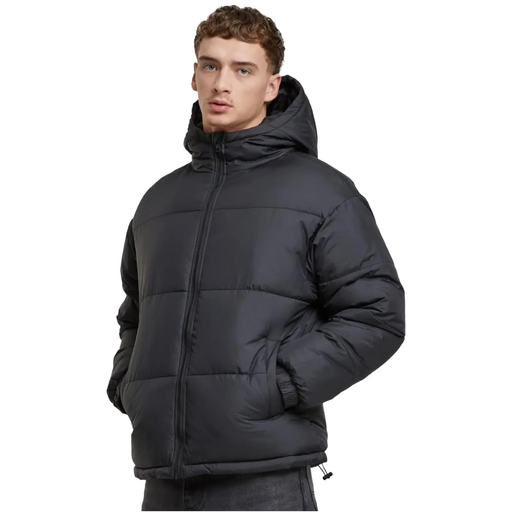
Why it suits this profile: A simple padded jacket for everyday wear, shopping and commuting on cold, dry days.
The product information clearly states the materials and care instructions. However, do not expect a technical rain jacket: the specifications focus on warmth and everyday use.
100% polyester filling, a polyamide outer material and a hood; machine washable according to the product information.

Why it suits this profile: For anyone who wants to use one system for travelling, walking and changeable weather conditions.
The two layers can be worn separately or together. This means you do not need to take a different jacket for every temperature.
According to the product description, the jacket has a GORE-TEX outer layer, taped seams, ventilation zips and an inner jacket with 550 fill power down.
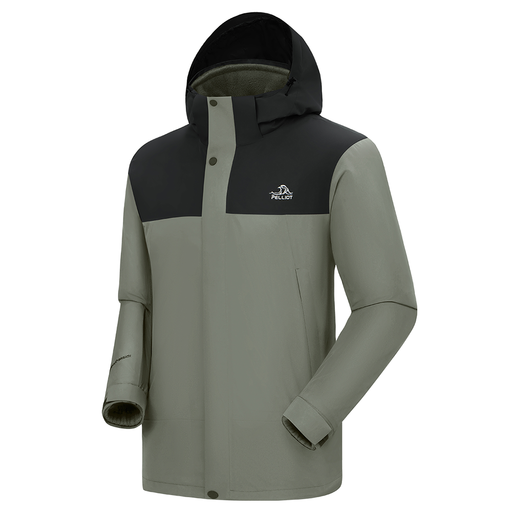
Why it suits this profile: Designed for camping, trekking and everyday use when wind, rain and temperature can all change.
According to the product description, the outer layer and thermal inner layer can be worn separately or together. Check the size chart when wearing additional layers.
3-in-1 construction, specified as featuring a microporous membrane, taped seams and a hard-wearing outer material.
For everyday use in cold and rainy conditions, the Joma Iceland III is also a practical option. The product information mentions a lined construction, hood, adjustable cuffs, several pockets and a waterproof outer layer. However, always check the current sizing and care information on the product page before ordering.
We have put together a complete, up-to-date list of products that fully meet these strict selection criteria and the applicable European safety regulations.
The lifespan of outdoor jackets depends greatly on how they are used and cared for. Fasten zips and hook-and-loop fasteners before washing, do not use bleach, and avoid fabric softener with technical membranes. Allow a jacket to dry according to the care label and only re-treat a water-repellent outer layer when necessary.
A jacket that has become wet during a walk must be allowed to dry completely before being stored. Do not keep down or synthetic insulation compressed in a small pocket for long periods. Also regularly check the seams, cuffs and zips for signs of wear.
Look for a waterproof membrane, taped seams and a hood with good adjustment options. A hardshell jacket is particularly suitable as a protective rain and wind layer. For warmth, add a fleece or insulating jacket.
A men’s winter coat is usually built around fixed insulation and is primarily intended for cold days. A men’s 3-in-1 jacket consists of layers that can be worn separately or together. This provides greater flexibility in changeable weather, but requires extra attention to fit and care.
Measure your chest, waist and sleeve length, then compare these measurements with the size chart for the model you have chosen. Allow for a fleece or jumper underneath. Do not automatically choose a larger size: too much room can reduce wind protection and comfort.
