
Vandaag of morgen in huis

Kwaliteit gegarandeerd

Welkomstaanbiedingen ontgrendelen: GRATIS bezorging | Tot 80% korting | Gratis 30 dagen JoyPlus-proefperiode
Download de app
When buying men’s outdoor clothing, shoppers often look first at the brand, colour and discount. However, it is mainly the material, fit and intended use that determine whether a jacket or pair of trousers remains comfortable during a walk, training session or winter sports trip. A stylish jacket that leaks at the first heavy shower is ultimately not a good-value purchase.
In this buying guide, you’ll discover what to look for in a men’s outdoor jacket, fleece, parka or ski and snowboard trousers. You’ll also find some popular choices for different types of user.
A product title may promise waterproof protection without explaining how that protection is achieved. So check whether the item has taped or sealed seams, a water-repellent outer layer and an adjustable hood. A DWR finish helps water bead off the fabric, but it does not automatically replace a fully waterproof construction.
Pay attention to care requirements too. With some technical jackets, the water-repellent finish needs to be reactivated or reapplied. Always follow the care label for the specific garment.
A men’s windproof jacket protects against cold draughts, but it does not necessarily have insulation. For cycling, running or an active walk, a lightweight windbreaker may be sufficient. For relaxed camping, commuting or cold days, you’re more likely to need insulation such as fleece, synthetic filling or down.
A men’s fleece is generally intended as a mid-layer. In rainy weather, wear a shell jacket over it. A men’s parka is often more practical for everyday use in the city, as it offers more warmth and storage space.
Outdoor clothing is often worn in layers. A jacket that fits well over a T-shirt may feel too tight with a fleece or thermal top underneath. Measure your chest, waist, hips and arm length, then compare these measurements with the brand’s size chart.
The sizes of various The North Face men’s models range from XS to 3XL. The stated chest measurement differs by size, and some charts use inches. So check the unit first. For trousers, waist, hip and inside-leg measurements are more important than your standard European clothing size alone.
For walks in the UK and the Netherlands, seam-sealed seams and a good hood are practical features. A jacket with a high collar, adjustable cuffs and a drawcord in the hem keeps rain and wind out more effectively.
Be aware of the difference between a water-repellent finish and a waterproof jacket. According to the product description for The North Face NF0A8DY2, this jacket features DryVent fabric with sealed seams and a Non-PFC DWR finish. The manufacturer describes the model as suitable for rain and snow. This information comes from the brand’s product description; actual protection also depends on use, wear and care.
For climbing, running and training activities, stretch fabric, a gusseted crotch and articulated knees are useful details. A relaxed fit can be comfortable for walking and skiing, but too much loose fabric can get in the way during intense movement.
When choosing men’s walking clothing, therefore, look not only at insulation but also at:
A practical system consists of three layers:
A 3-in-1 jacket combines several layers in a single garment. This can be useful if you regularly move between the city, woodland and cold conditions. However, check the weight, fit and whether the layers can be worn separately.
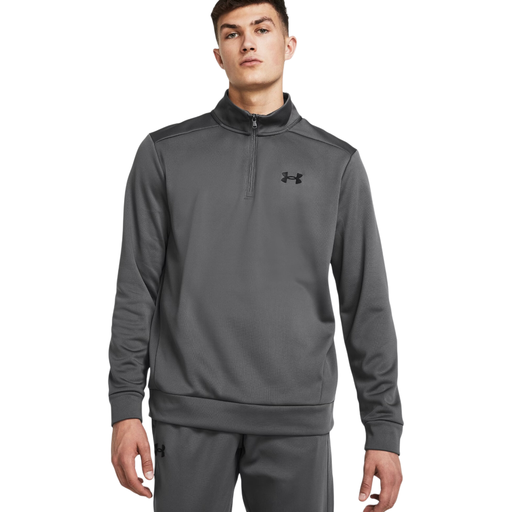
Why it suits this profile: A versatile mid-layer for walking, light training and everyday use. The quarter-length zip makes layering easy.
The product information mentions a soft inner layer, stretch and a regular fit. This means the garment is not presented as a standalone waterproof jacket, but as a mid-layer.
100% polyester, quarter-length zip, regular fit and, according to the product information, at least 90% recycled polyester in the main material.

Why it suits this profile: For anyone who wants a single jacket that can be adapted to changing weather during walks, travel and everyday use.
The 3-in-1 construction means you do not need a separate jacket for every type of weather. According to the product description, the outer and inner layers can be worn separately or together.
Outer layer with taped seams, adjustable hood and cuffs, underarm zips, and an inner layer with 550 fill power down, according to the product information.
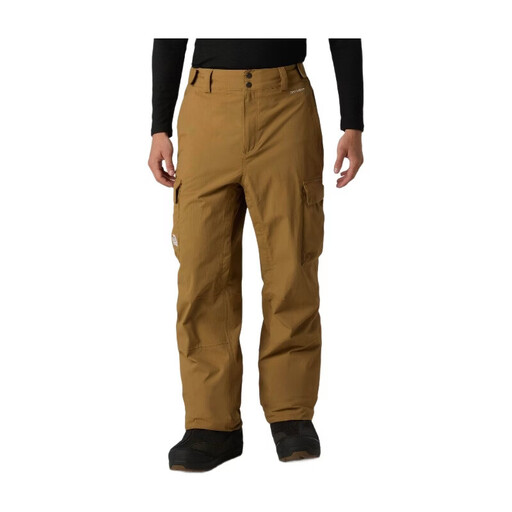
Why it suits this profile: Designed for skiing and snowboarding, with details suited to moving on the slopes and wearing extra layers.
According to the product description, the fit is designed for layering. The snow gaiter and ventilation zips make these trousers more specialised than standard outdoor trousers.
DryVent fabric, internal snow gaiter, ventilation zips, adjustable waist and articulated knees, according to the product details.
We’ve put together a complete, up-to-date list of products that fully meet these strict selection criteria and the applicable European safety regulations.
For changeable weather, a layering system is usually the most practical option: a breathable base layer, a men’s fleece and a waterproof outer layer. For short walks in the city, a windproof jacket or parka may be sufficient. For longer routes, sealed seams, a hood and adjustable cuffs are useful features.
Its lifespan depends on use, friction, washing and care. A jacket worn every day will wear more quickly around the shoulders, cuffs and zips. Wash it according to the care label, close the zips before washing and avoid products that could damage the technical finish. Allow the jacket to dry completely before storing it.
Not always. For commuting or leisurely walks, a simpler jacket may be sufficient. Intensive activities, winter sports and prolonged rain are more likely to require technical details such as sealed seams, ventilation zips and an adjustable fit. Choose based on how you’ll use it, not just on the brand or price.
