
Vandaag of morgen in huis

Kwaliteit gegarandeerd

Welkomstaanbiedingen ontgrendelen: GRATIS bezorging | Tot 80% korting | Gratis 30 dagen JoyPlus-proefperiode
Download de app
When buying men's outdoor clothing, you usually want one thing: clothing that suits how you plan to use it and won't disappoint after a few outings. Yet product pages can be tricky to compare. A fleece top for everyday wear needs different features from a waterproof men's jacket for a rainy walk or a pair of men's ski trousers for the slopes.
The following points will help you make a more informed choice and look beyond the marketing claims.
A jacket with a Durable Water-Repellent finish, often shortened to DWR, initially causes light rain to bead and run off the surface. This doesn't automatically mean the jacket will keep out heavy rain for an extended period. Check whether the product description also mentions a membrane, sealed seams or a specific waterproof construction.
According to the product description, certain The North Face jackets feature DryVent fabric and sealed seams. These are verifiable product features. The level of protection you get also depends on care, wear and how you use the jacket.
A thick jacket isn't always practical for active walks or training. A lightweight fleece top can work well as a mid-layer under a windproof or waterproof jacket. So consider the combination of insulation, ventilation and layers.
A men's fleece gilet or fleece top with a brushed inner feels warmer than a smooth, lightweight fabric in many cases. For high-intensity activities, freedom of movement and moisture management matter just as much as maximum thickness.
A men's jacket in size M may fit well over a T-shirt, but feel tight with a fleece gilet underneath. On the other hand, an overly roomy jacket can be uncomfortable when cycling or climbing. Measure your chest, waist and, if needed, arm length, then compare your measurements with the size guide for the specific product.
Bear in mind that sizing varies between brands, too. An Under Armour men's top may fit differently from a The North Face men's jacket. Some models also state whether the fit is relaxed or standard.
When choosing men's walking clothes, it's useful to know the difference between:
Also check the zips, cuffs, hood, pockets and ventilation openings. These practical details can make a noticeable difference when walking, travelling or enjoying winter sports.
Don't look for the word “waterproof” alone. Check whether the jacket has sealed seams, a protective storm flap over the zip and adjustable cuffs. A hood with elastic binding or an adjustment system can help keep wind and rain out.
You should also follow the care instructions for a waterproof men's jacket. According to the product information provided, some The North Face models should be washed at a maximum of 40 °C, with the zips fastened, and left to air dry. Those instructions state that a DWR finish can be reactivated, but only if the care label allows it.
A standard or regular fit is often practical for training and walking, especially if you want to wear a base layer and fleece gilet together. When choosing a men's jacket in size L or XL, check the sleeve length and hip width as well as the chest measurement.
For men's ski trousers, useful features include an adjustable waistband, articulated knees, ventilation zips and a snow gaiter. According to the product description, the The North Face Utility Brown trousers have these features. Before buying, check the available size and inside leg length.
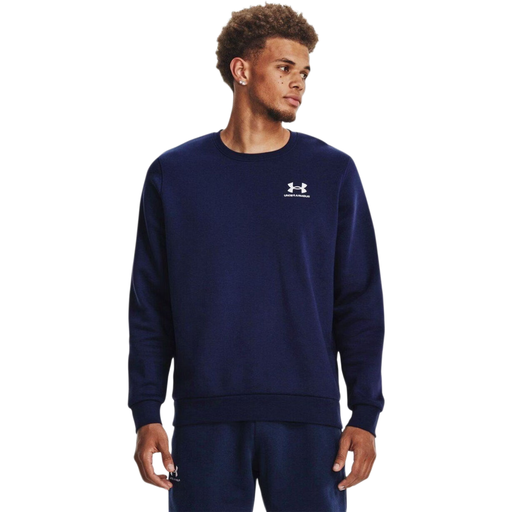
Why it suits this profile: This fleece top is suitable for everyday wear, light training and layering under a men's outdoor jacket. Its regular fit and size L make it a practical choice if you want room to move without needing a technical jacket.
The product information specifies a cotton-polyester blend of 80% cotton and 20% polyester, a brushed inner and a mid-weight construction. That makes its intended use clear: comfort and layering, not rain protection.
Ribbed collar, cuffs and hem; regular fit; brushed inner fabric according to the product description.

Why it suits this profile: This 3-in-1 jacket is designed for changeable conditions. According to the product description, you can wear the outer layer and down inner layer separately or together.
You don't have to rely on one fixed level of thickness all year round. Its modular design lets you adapt to the temperature and your activity.
3-in-1 system; adjustable hood and cuffs; 550 fill power down insulation according to the product information.
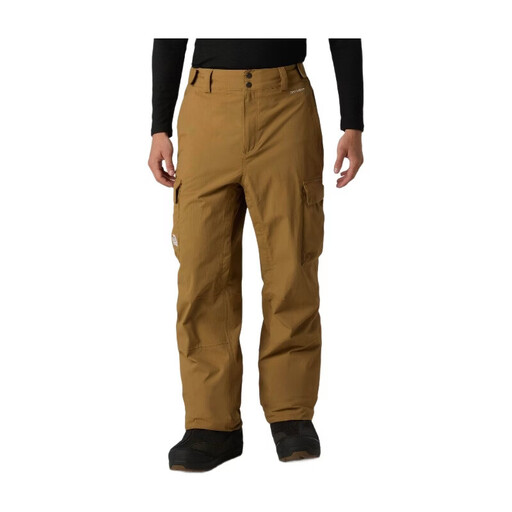
Why it suits this profile: These men's ski trousers are designed for winter sports and activities in the snow. Their features suit people who need ventilation, room to move and protection from the elements.
These trousers aren't chosen for warmth alone. The product description mentions a snow gaiter, ventilation zips, an adjustable waist and articulated knees.
DryVent fabric and sealed seams according to the product description; inner leg ventilation; size L with several inside leg lengths.
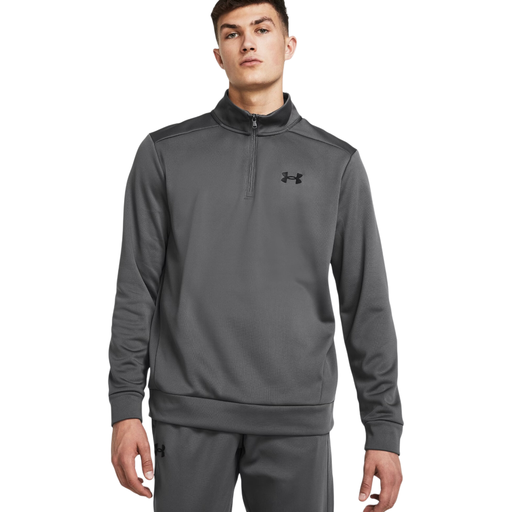
Why it suits this profile: This quarter-zip is handy for training, commuting and walking. The collar and zip make it easy to adjust your warmth while you're active.
This top isn't presented as a rain jacket. According to the product description, its lightweight, breathable and stretchy fleece construction is designed for layering.
Quarter-length zip; stand-up collar; 100% polyester according to the product information; regular fit in size M.
We've put together a full, up-to-date list of products that meet these strict selection criteria and the applicable European safety requirements.
Even functional men's sportswear needs looking after. Follow the care label, fasten zips and hook-and-loop fastenings before washing, and avoid fabric softener if the product information advises against it. Fabric softener can affect the properties of some synthetic fabrics.
Where the care instructions recommend it, leave jackets and trousers to air dry. After several washes, check whether water still beads on the outer fabric. If the DWR finish is no longer working as well, reproofing according to the manufacturer's instructions may be an option.
For walks in the Netherlands, a breathable base layer, a men's fleece gilet or fleece top, and a windproof or waterproof jacket make a practical combination. In changeable weather, adjustable cuffs, a hood and useful pockets are more valuable than a thick lining alone.
A fleece top can be worn as an outer layer in dry, calm weather. However, fleece usually offers limited protection from wind and rain. Pair it with a men's outdoor jacket when the weather turns.
Measure your chest and waist, then compare those measurements with the size guide for your chosen model. Allow for layers: a jacket worn over a fleece gilet should have a little extra room. Also check whether the model has a regular fit or is described as relaxed in the product information.
