
Vandaag of morgen in huis

Kwaliteit gegarandeerd

Welkomstaanbiedingen ontgrendelen: GRATIS bezorging | Tot 80% korting | Gratis 30 dagen JoyPlus-proefperiode
Download de app
A men's The North Face beanie stands out for its recognisable outdoor style, but not every design suits every situation. A thin cuffed beanie is comfortable for commuting, while a deeper style with a roomier fit may be better suited to skiing, snowboarding or walking in cold weather.
Before buying, look out for these three common pitfalls:
Measure horizontally around your head, just above your eyebrows and across the widest part. Then compare your measurement with the product details. Available sizes include:
A cuffed beanie has a folded brim that can provide extra coverage around your ears. A deeper style sits lower on your head and offers more room. If you have thick hair or prefer a looser fit, a deep-fit style may be more practical.
The materials vary between The North Face winter beanies:
One example is the Classic Logo Box Cuffed Beanie in Shady Blue, which is listed as 95% recycled polyester, 4% nylon and 1% elastane. Another style is listed as 100% polyester. Care instructions may vary by colour and style, so follow the label and avoid tumble drying if the product details advise against it.
For everyday wear in town, a neutral colour, a low-profile design and a flexible fit are often handy. For walking, skiing or snowboarding, ear coverage, a secure fit and enough room are particularly important. A beanie for walking and skiing isn’t automatically waterproof. In snow or rain, a water-repellent outer layer or a hood can provide extra protection.
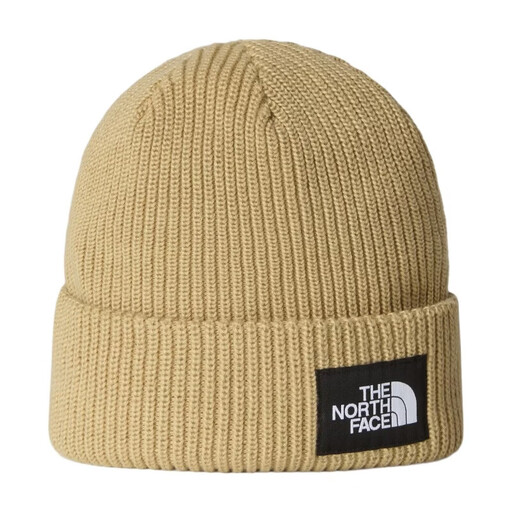
Why it suits this profile: A classic cuffed beanie for anyone looking for a simple style for everyday wear, travel and brisk walks. The neutral Khaki Stone colour pairs easily with jackets in dark or earthy shades.
The product details specify a 100% polyester composition and available sizes of 56.5, 57.8 and 59 cm. This lets you check the fit and materials rather than choosing on looks alone.
Acrylic terry fabric according to the product description, a folded brim and several size options.
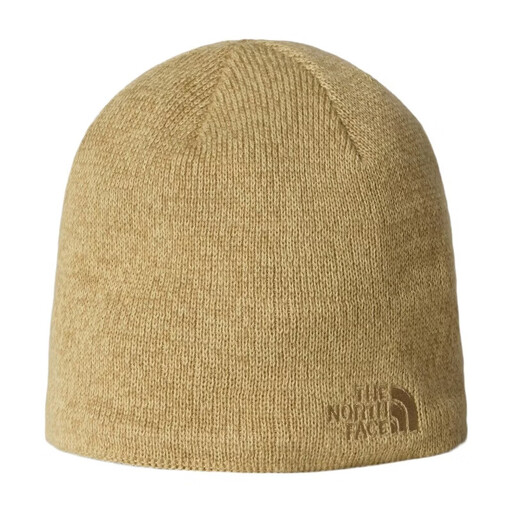
Why it suits this profile: The Jim Beanie is a good match for anyone after a versatile, understated style for the office, town and après-ski. Its heathered colour adds a little texture without being too bold.
The description specifies a flexible stretch construction, a cuffed profile and a lightweight knit. That gives you more useful detail than a general claim about warmth.
Acrylic knit yarn, a classic turn-up and a design described in the product details as lightweight.
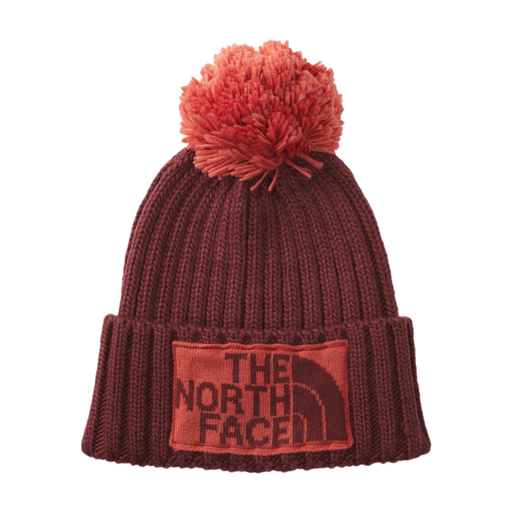
Why it suits this profile: This The North Face ski beanie is designed for the slopes, ski touring, snowboarding and walks. Its deep fit is ideal if you’re looking for more coverage and room.
The description gives specific details about the deep fit, sizes and intended uses. The size range covers head circumferences from 21 to 23.5 inches, with separate size options.
100% recycled polyester according to the product details, a ribbed turn-up, logo patch and pom-pom.
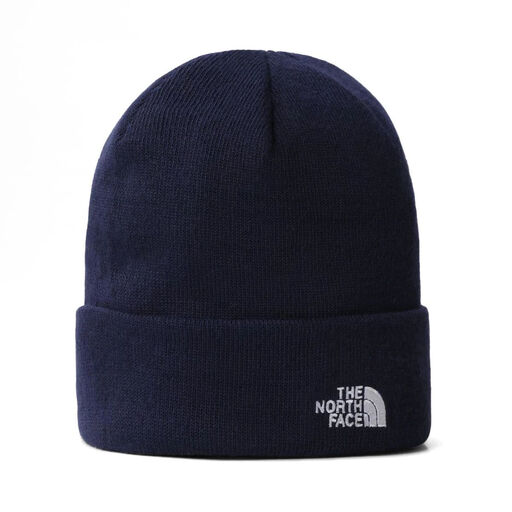
Why it suits this profile: The Dock Worker Recycled Beanie is a practical choice for travel and everyday wear. According to the product description, you can wear it high on your head or with the brim turned up.
The deep fit and size details help you avoid buying a beanie that’s too loose or too tight. It’s also compact and easy to pack away.
95% recycled materials according to the product details, a deep fit and the option to wear it with or without the brim turned up.
We’ve put together a full, up-to-date list of products that meet these strict selection criteria and comply with the applicable European safety regulations.
Use a flexible tape measure to measure around your head, above your eyebrows and across the widest point. Compare your measurement with the size chart for the specific style. A 56.5 cm size won’t fit the same as a 59 cm size. If you’re unsure, check the fit description, such as deep fit or stretch construction, as well as the nominal size.
It depends on the style. A beanie with a roomy fit, a turn-up and full ear coverage can be practical on the slopes. Also check that it’s comfortable to wear with your helmet. None of the material compositions listed proves on its own that a beanie is waterproof. In wet snow or rain, you’ll still need extra protection.
Its lifespan depends on how often you wear it, friction, washing and drying. Follow the care label, avoid washing it unnecessarily in hot water and let it dry naturally if advised. A knitted beanie that loses its shape or shows visible wear may provide less comfortable coverage. Before buying, check the materials, size and care instructions as well as the colour.
