
Vandaag of morgen in huis

Kwaliteit gegarandeerd

Welkomstaanbiedingen ontgrendelen: GRATIS bezorging | Tot 80% korting | Gratis 30 dagen JoyPlus-proefperiode
Download de app
A men’s jacket in the Netherlands often needs to do several jobs. The same jacket might go with you on your bike ride to work, on a walk in the rain or on a trip to a colder destination. But not every jacket marketed as waterproof, windproof or warm is suitable for every use.
When comparing men’s jackets, focus on their construction and product specifications. An attractive colour or well-known brand name tells you little about comfort in strong winds, prolonged rain or when wearing several layers. Below, you’ll find the key things to consider, along with some popular options for different activities.
A water-repellent coating can make light rain bead off for a while. In prolonged rain, under pressure from a rucksack or around zips and seams, the results can be different. Check whether the product description specifically mentions waterproofing, taped seams or a hydrostatic head rating.
A men’s rain jacket for your daily commute doesn’t need the same construction as a jacket for camping. For frequent outdoor use, verifiable information about water pressure, seams and breathability is more useful than general terms such as “all-weather”.
A thick jacket can feel warm when you’re standing still, but a lack of ventilation can become uncomfortable when you’re cycling or walking. Check the type of insulation and lining, and whether there’s room to wear the jacket over a jumper or fleece.
A men’s fleece-lined jacket usually has a soft inner surface. A lined parka is designed to provide extra coverage and warmth. A men’s 3-in-1 jacket can offer more flexibility, as the outer and inner layers can be worn separately.
Sizes M to XL vary between brands and styles. A jacket that fits well across the chest may still feel too tight around the shoulders or sleeves. Measure a jacket that fits you comfortably, then compare the chest, shoulder and sleeve measurements with the size guide.
Remember to allow room for layers, too. For a men’s winter jacket, a little extra space is useful if you plan to wear a jumper or fleece underneath. On the other hand, a jacket that’s too loose can let wind in at the hem.
Hydrostatic head is measured in millimetres of water pressure. A higher figure indicates greater resistance to water pressure in a laboratory test, but it doesn’t tell you everything about how a jacket will perform in practice. Zips, seams, wear and care also affect how well it performs.
The product information for the Pelliot styles lists a hydrostatic head of 35,900 mm H₂O according to JIS. This is a technical value provided by the manufacturer. Always check the full product description and care instructions before deciding to buy.
Moisture management is important for sports, walking and cycling. The MVTR value indicates how much water vapour can pass through a material according to a test method, usually measured in grams per square metre over 24 hours. A higher value may be beneficial during exercise, but ventilation zips and layering are important too.
The Pelliot product information lists 16,000 g/m²/24 hours according to JIS. Treat this as a stated product specification, not a guarantee that every wearer will have the same experience.
A windproof men’s jacket works better when the hood, cuffs and hem are adjustable. Also check that the collar fastens high enough and that the zip has a storm flap. A men’s hooded jacket is useful in changeable weather, but the hood should be adjustable so it doesn’t restrict your vision or affect the fit.
Secure zipped pockets are useful for everyday wear. For travel and outdoor activities, extra inner pockets, vents and a hard-wearing outer fabric may be more important than a lightweight design.
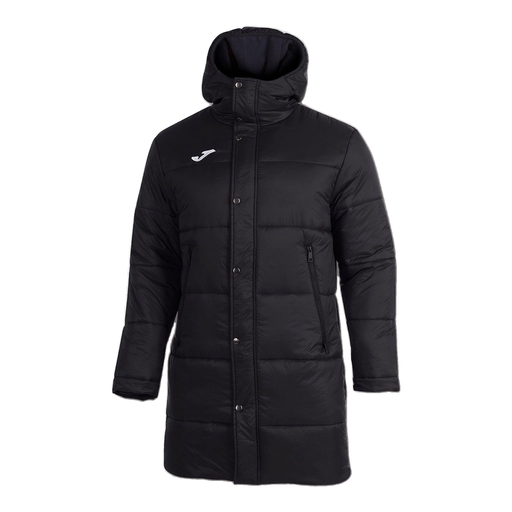
Why it suits this profile: This parka is designed for everyday wear in the city and colder conditions. Its classic black design is easy to pair with workwear and casual clothes.
The product information lists insulation, a waterproof outer layer, adjustable cuffs and a hood. Before buying, check the current size guide and care instructions.
Insulated construction, multiple pockets and an adjustable fit. This style is available in size L, with a size M version also in the range.

Why it suits this profile: The 3-in-1 design is ideal if you want one system for different seasons and activities. According to the product description, you can wear the layers separately or together.
The design combines a protective outer layer with an insulated inner jacket. This means you don’t have to wear one heavy layer when the weather is milder.
GORE-TEX outer fabric according to the product information, taped seams, an adjustable hem and cuffs, plus 550 fill power down in the inner layer.
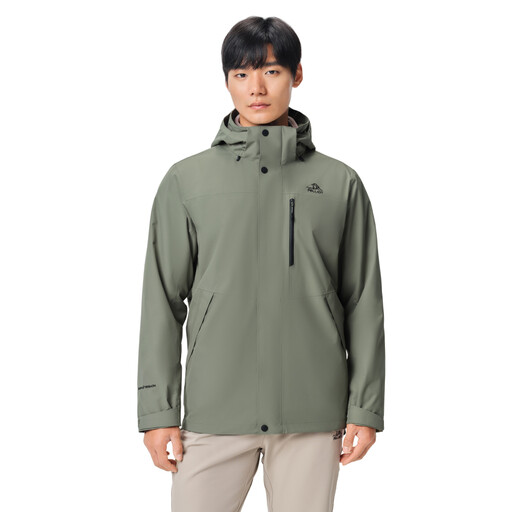
Why it suits this profile: This men’s 3-in-1 outdoor jacket is designed for camping, trekking, travel and commuting, where wind, rain and wear can all be factors.
According to the manufacturer, this style has an adjustable hood, cuffs and hem. You can wear the inner layer separately, making it easier to adjust the warmth to suit the conditions.
The product information lists a hydrostatic head of 35,900 mm H₂O, an MVTR of 16,000 g/m²/24 hours and abrasion resistance of more than 40,000 rub cycles. Available in M, L and XL.
We’ve put together a full, up-to-date list of products that meet these strict selection criteria and the applicable European safety regulations.
A jacket’s lifespan depends on more than just its fabric. Wash it according to the care label, fasten the zips before washing and don’t use bleach unless the instructions say it’s safe to do so. Many technical jackets shouldn’t be tumble-dried. Hang yours up to dry, and only reapply a water-repellent treatment when recommended by the manufacturer.
After each season, check the seams, zips, cuffs and hood. A damaged outer layer can reduce protection from rain and wind. Store the jacket somewhere dry and don’t leave it compressed for long periods, especially if it has insulated filling.
Choose a style that’s explicitly described as waterproof, with an adjustable hood, covered zips and plenty of room to move around the shoulders. Breathability and vents are also important if you cycle regularly. A parka can be comfortable when you’re standing still or moving slowly; a lighter rain jacket is often more practical for active use.
Measure your chest, shoulders and sleeve length, then compare these measurements with the size guide for the specific style. Allow room for a jumper or fleece underneath. The Pelliot styles list separate sizes for the outer and inner jackets. Use this information if you plan to wear the jacket as a layering system.
The price depends on the materials, insulation, brand, technical features and how many ways you can wear it. A simple lined jacket may be enough for the city. For camping or frequent outdoor activities, you’ll often pay more for features such as a higher hydrostatic head rating, ventilation, hard-wearing fabric and a 3-in-1 design. Compare the specifications you actually need before you buy.
